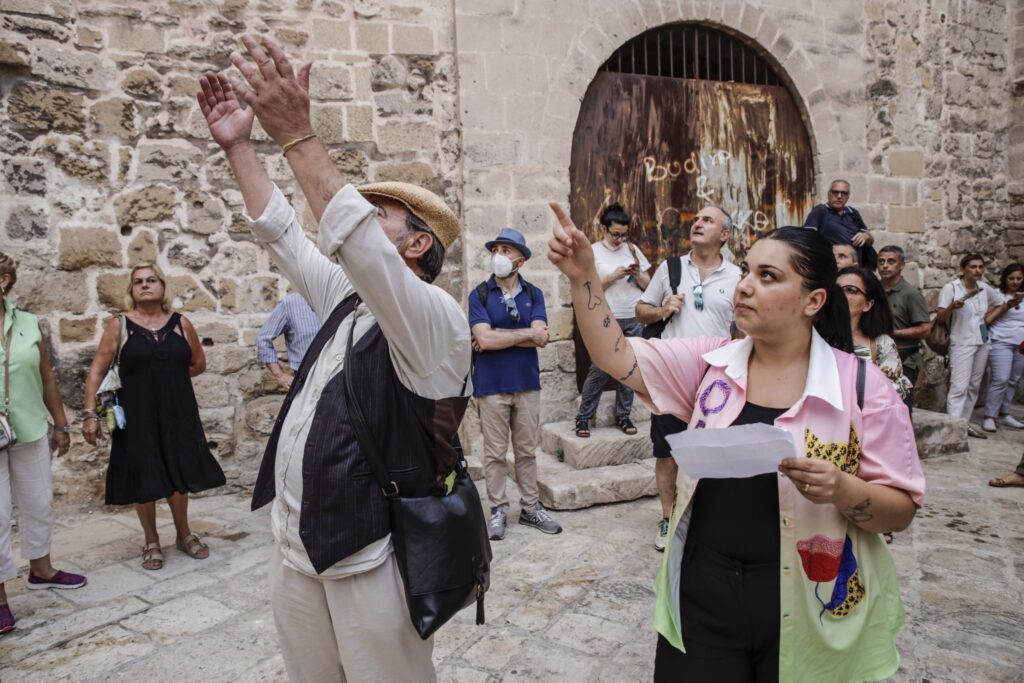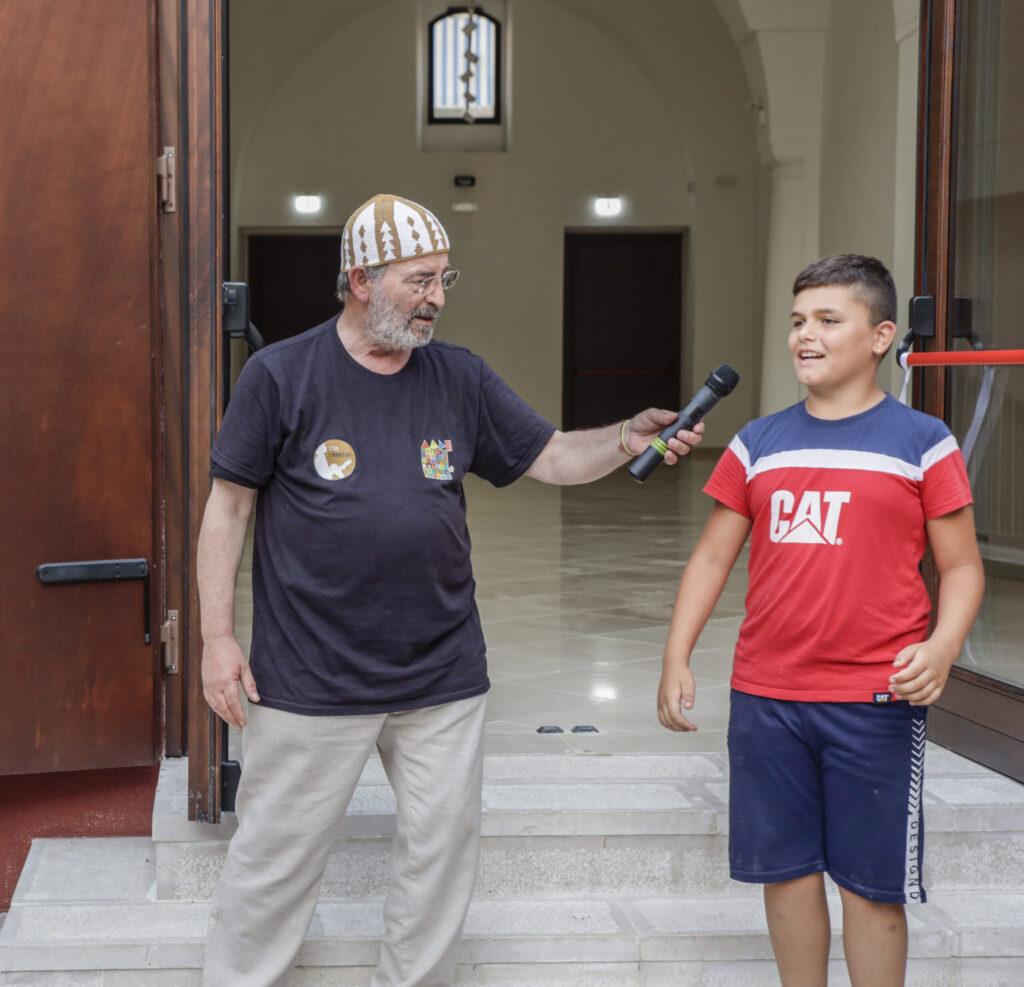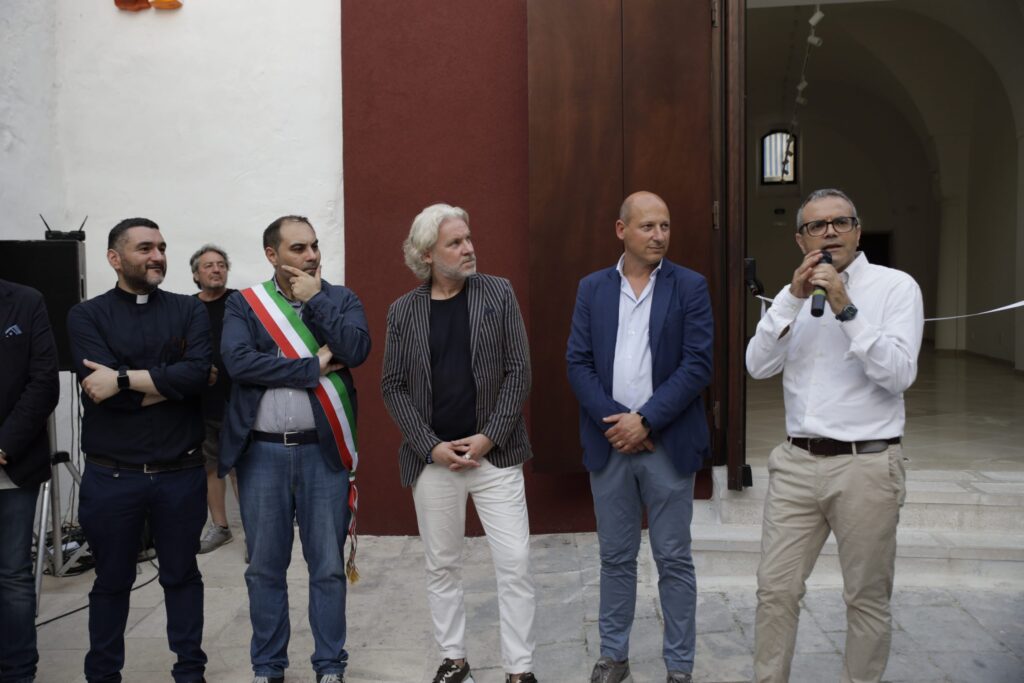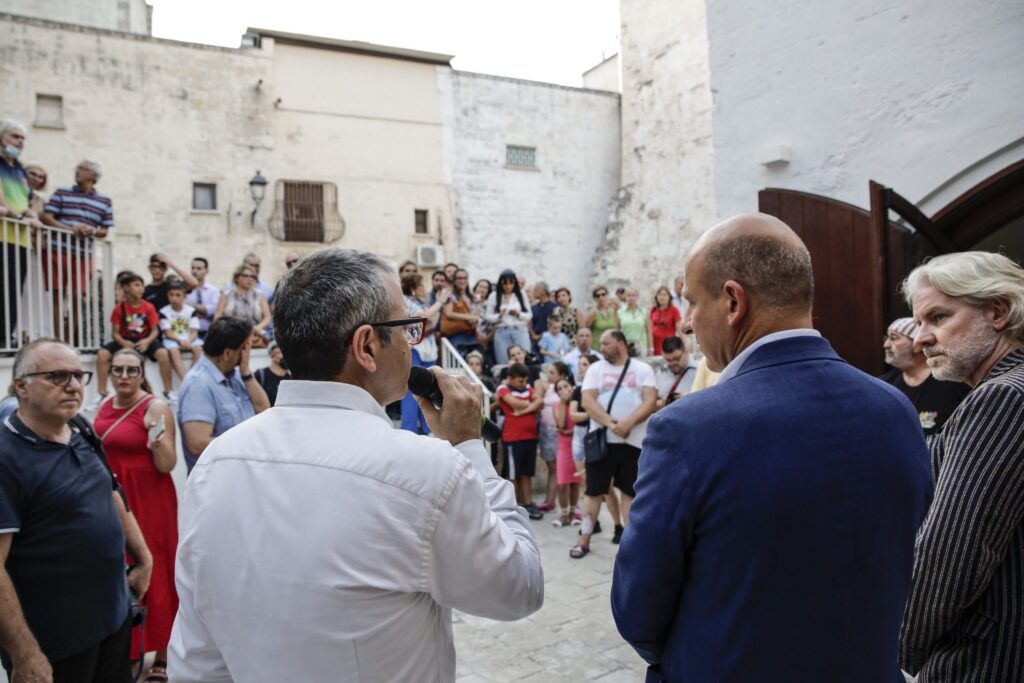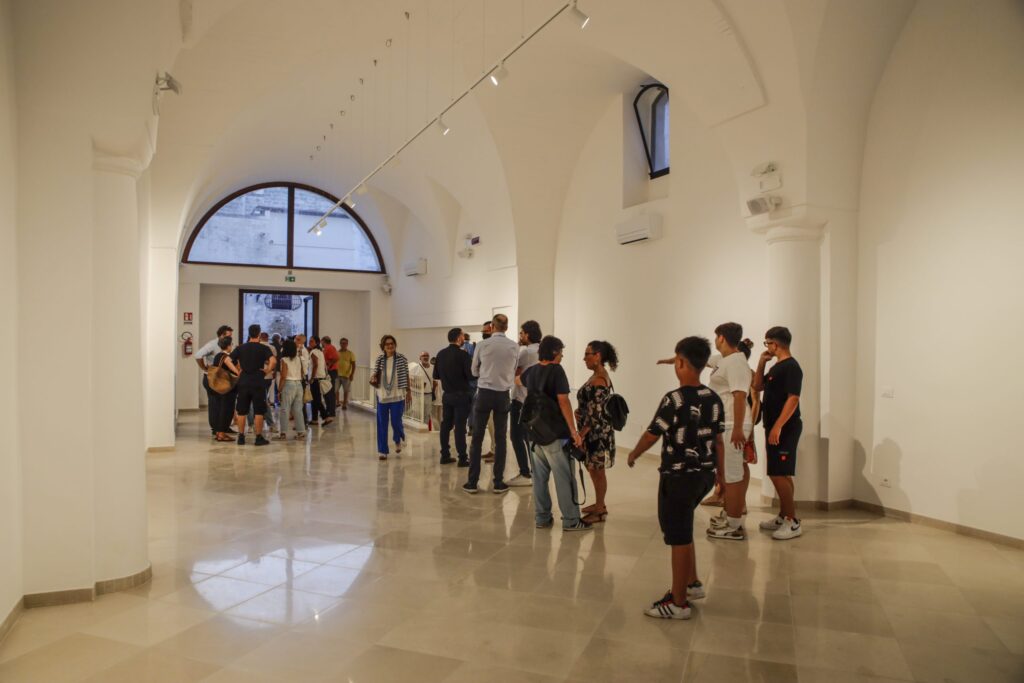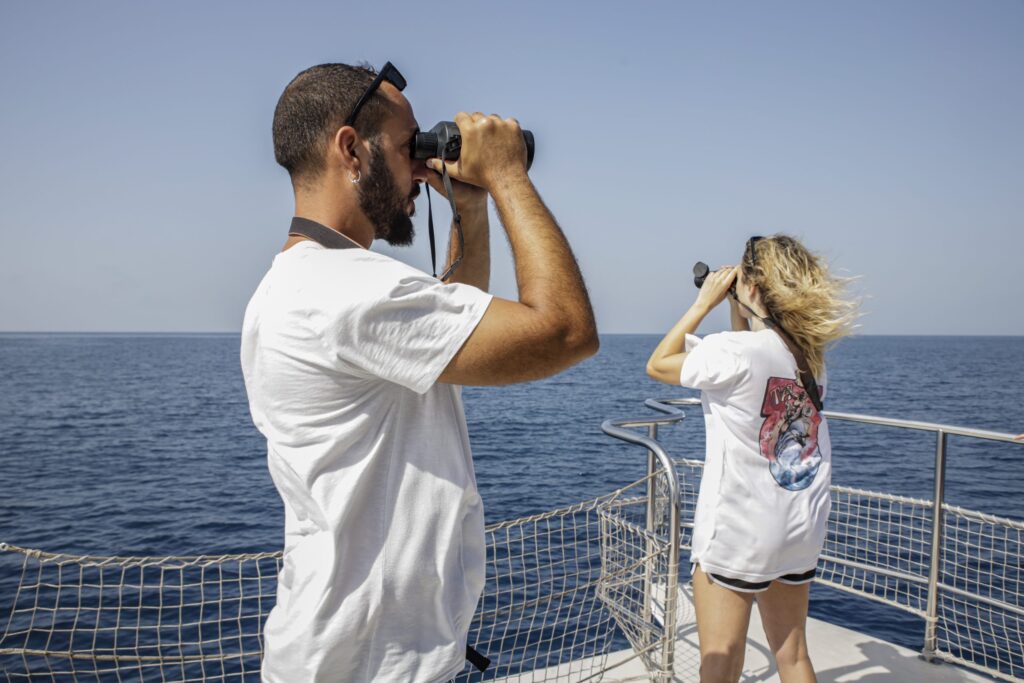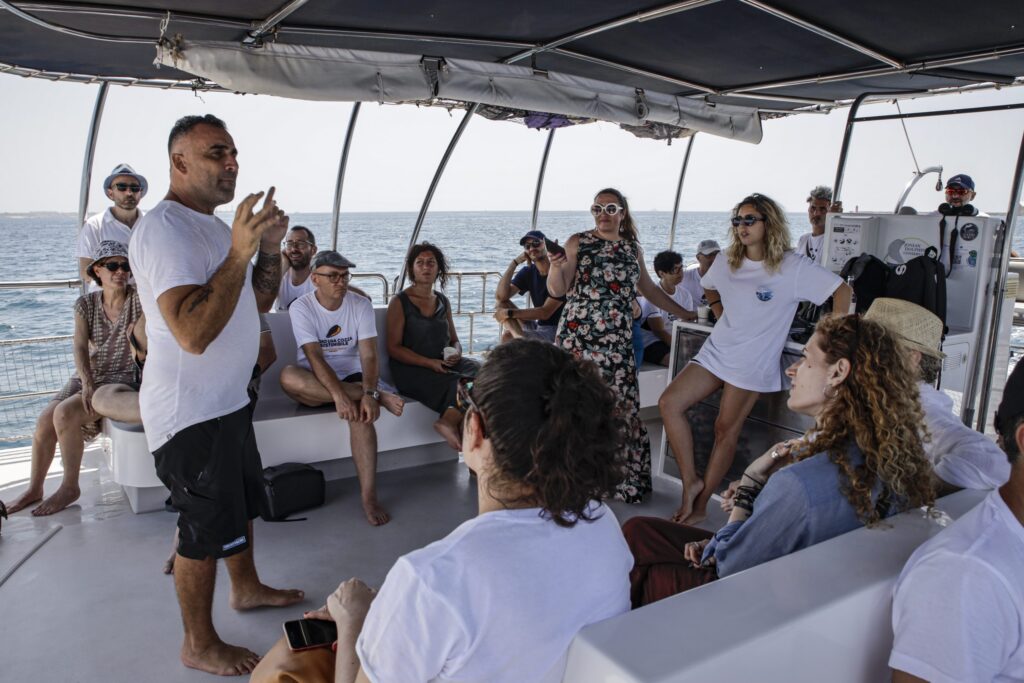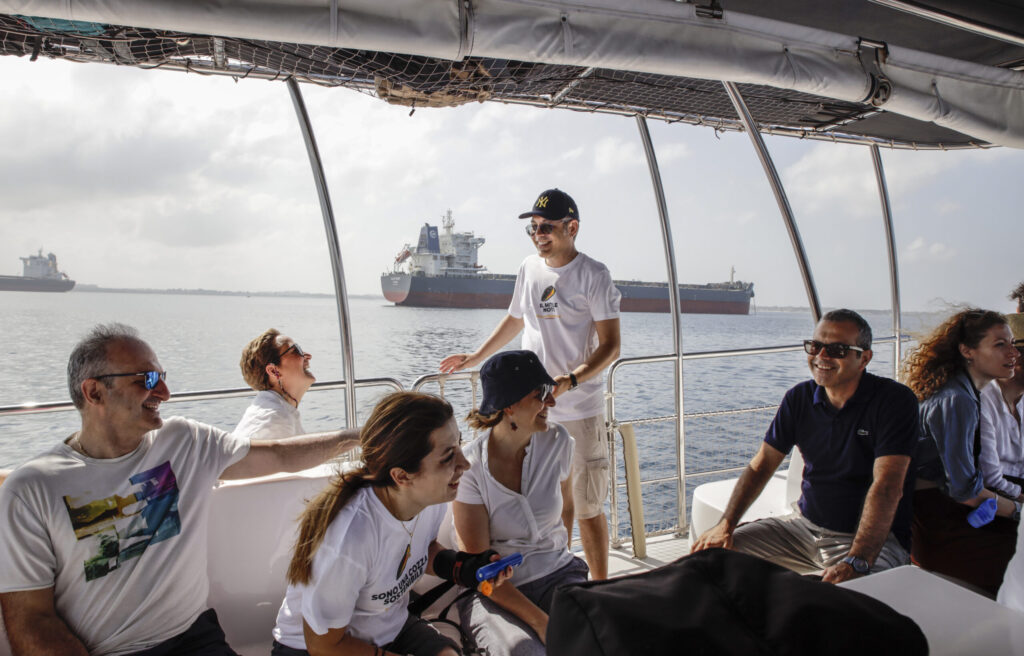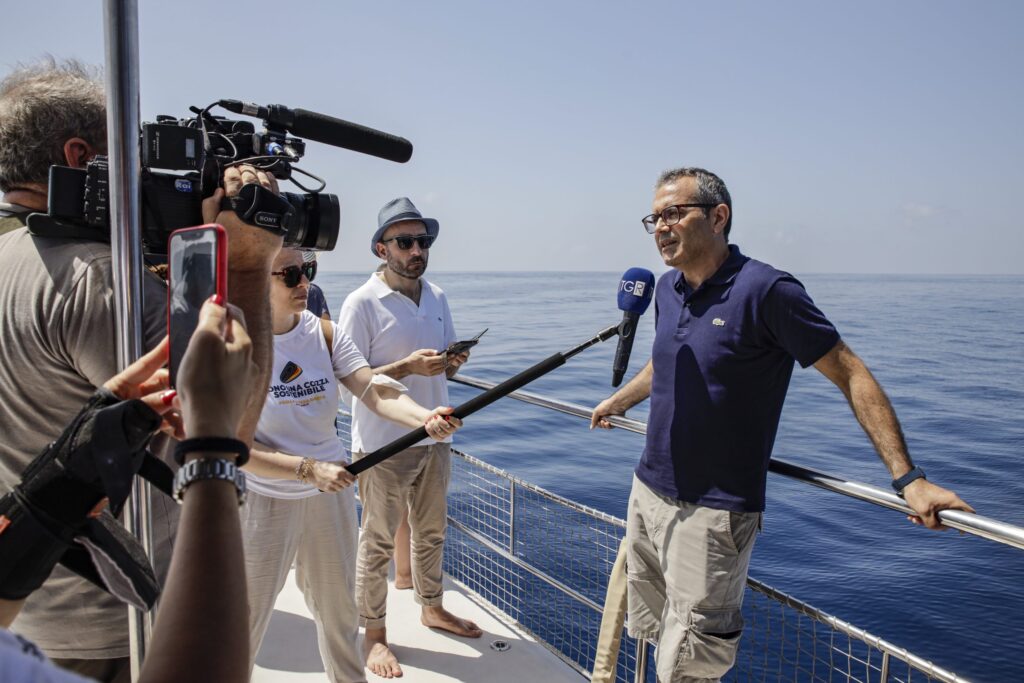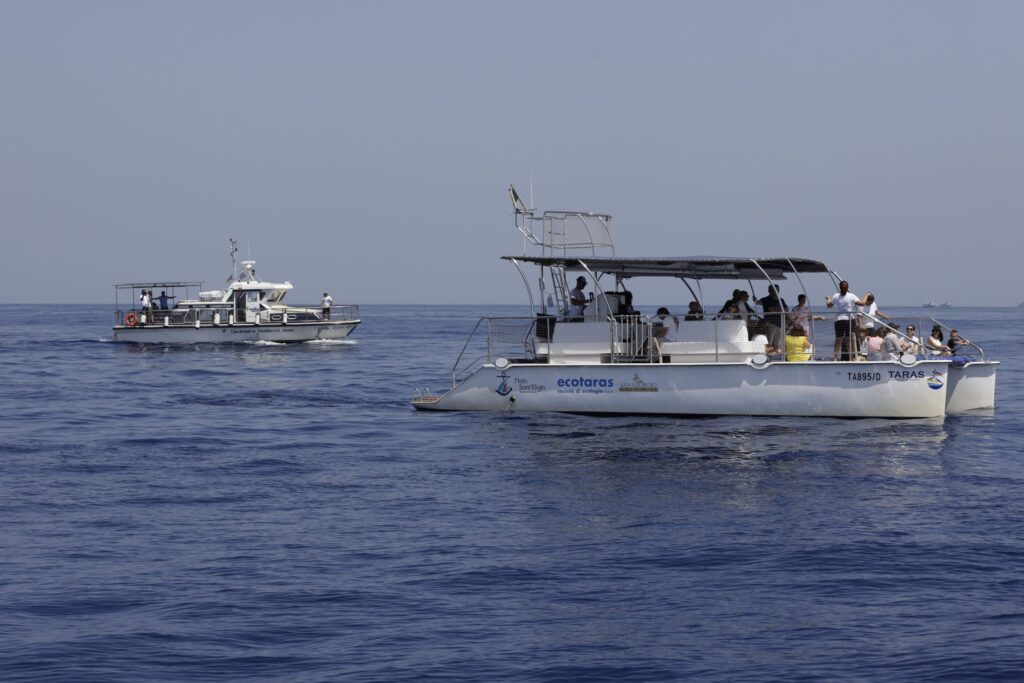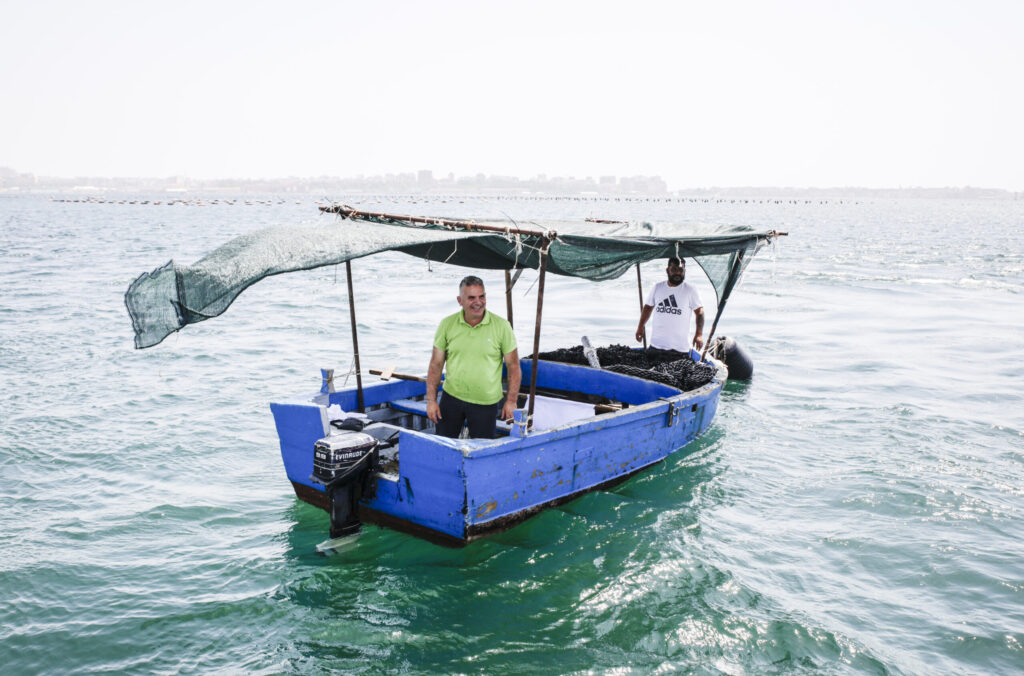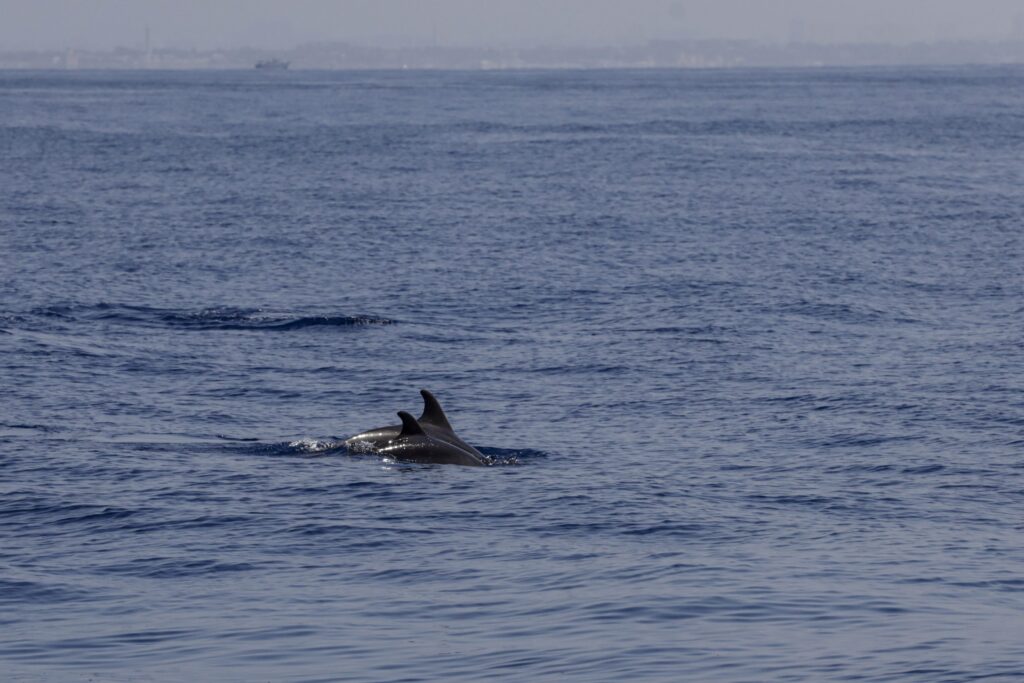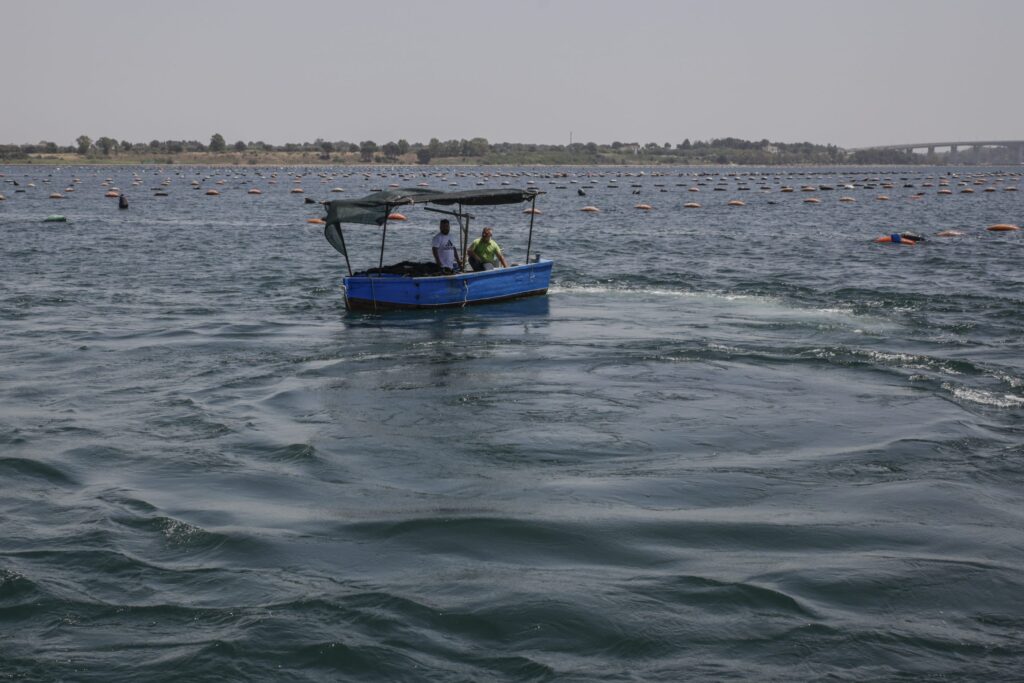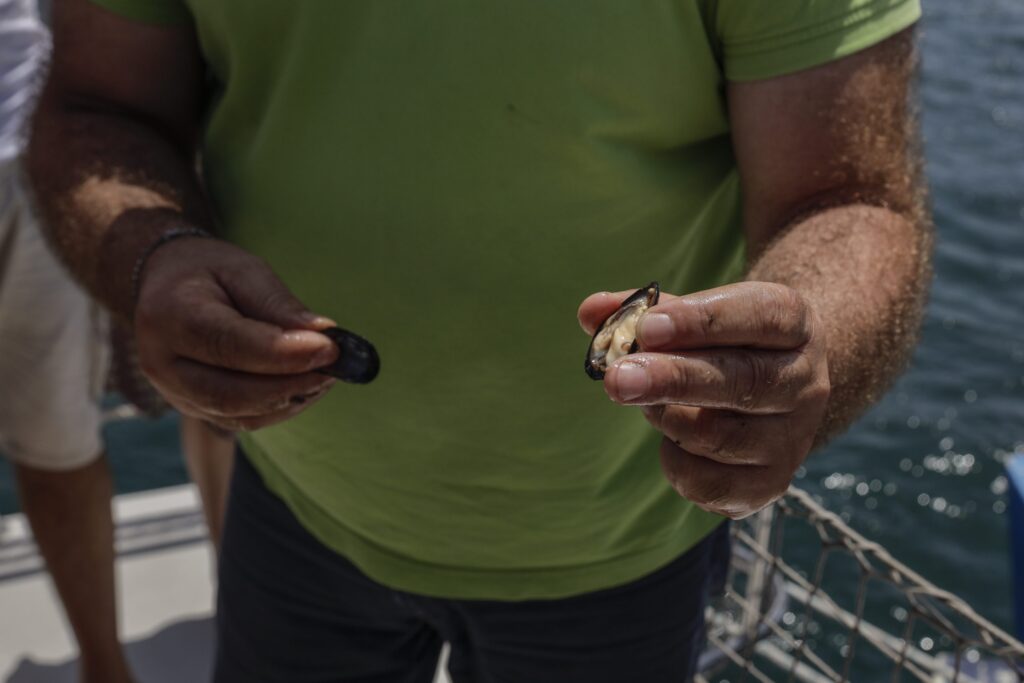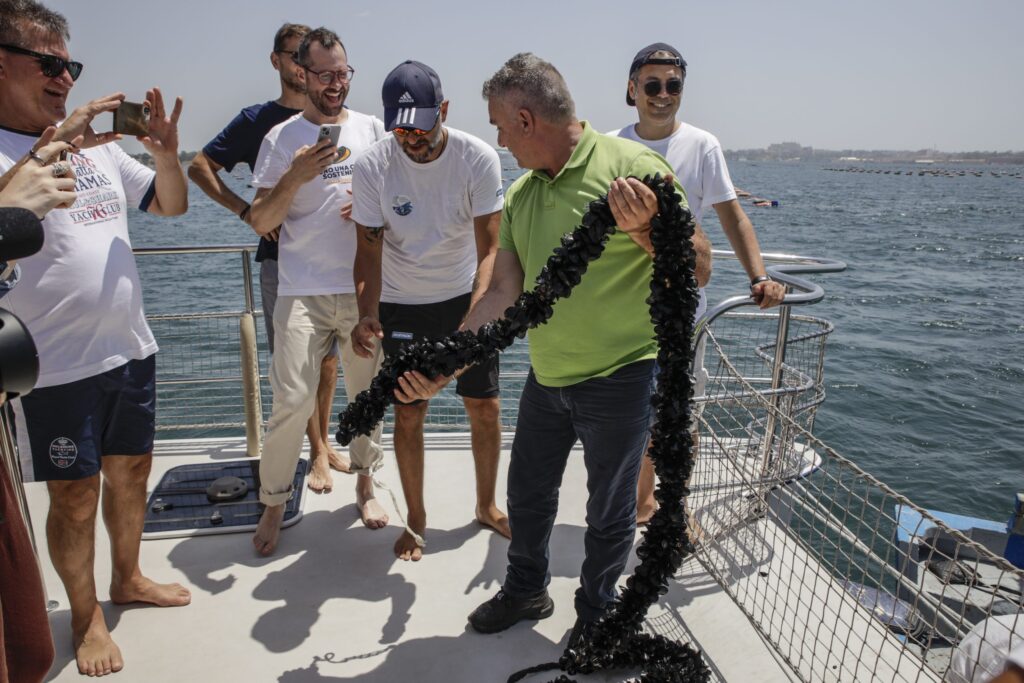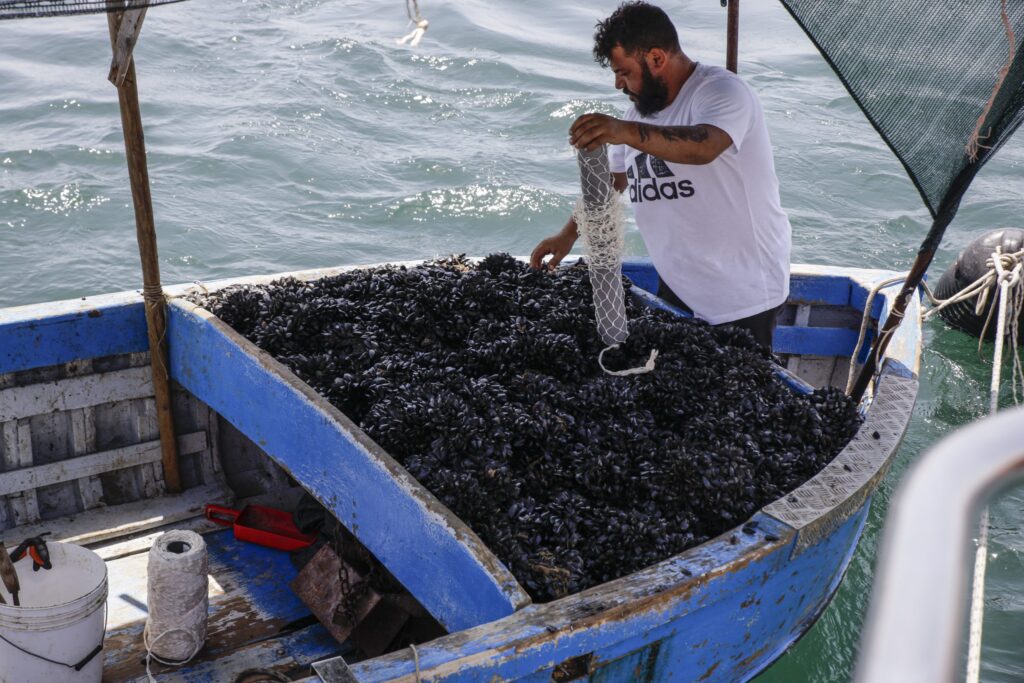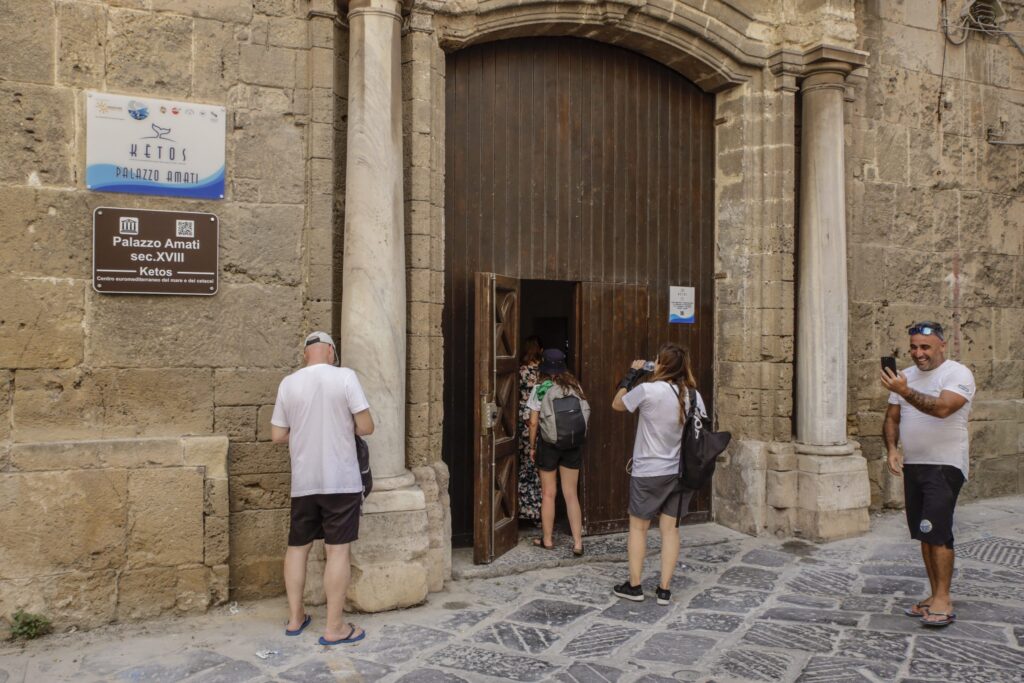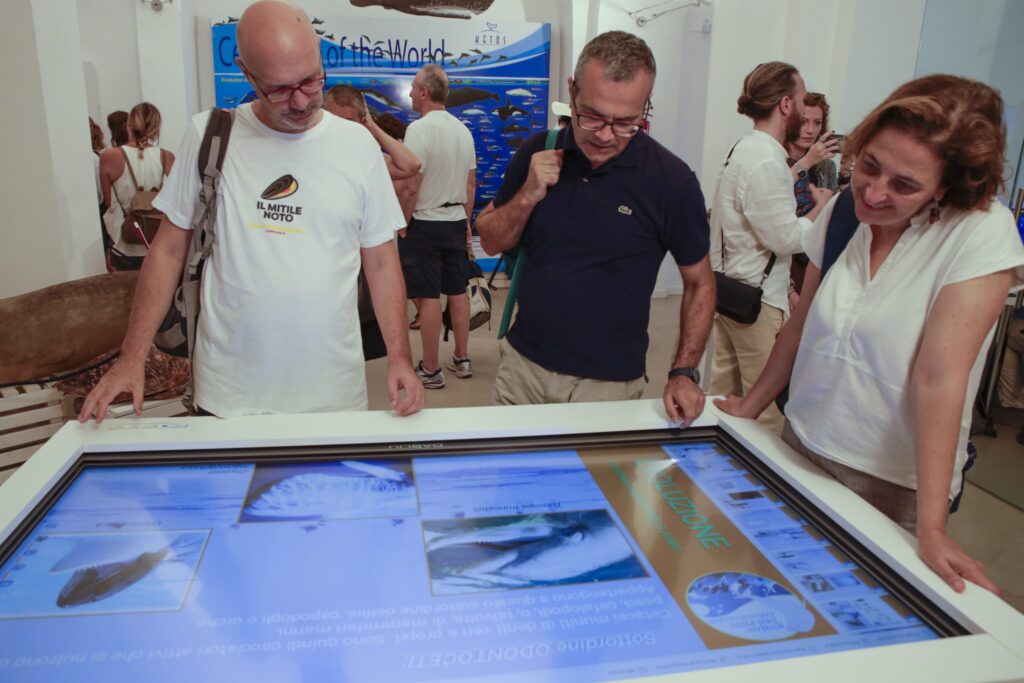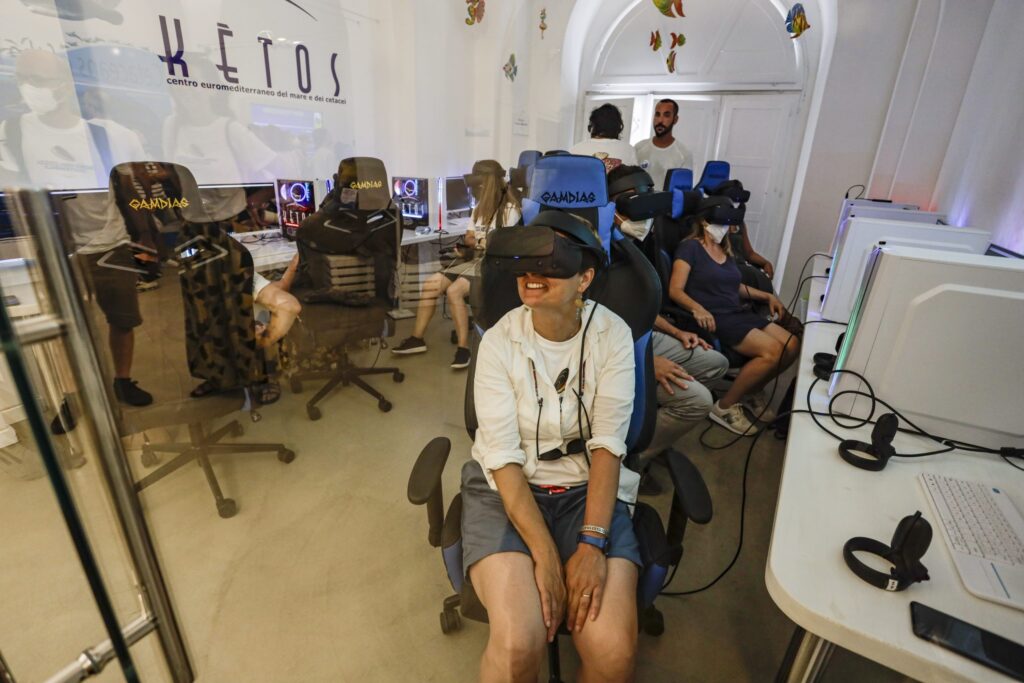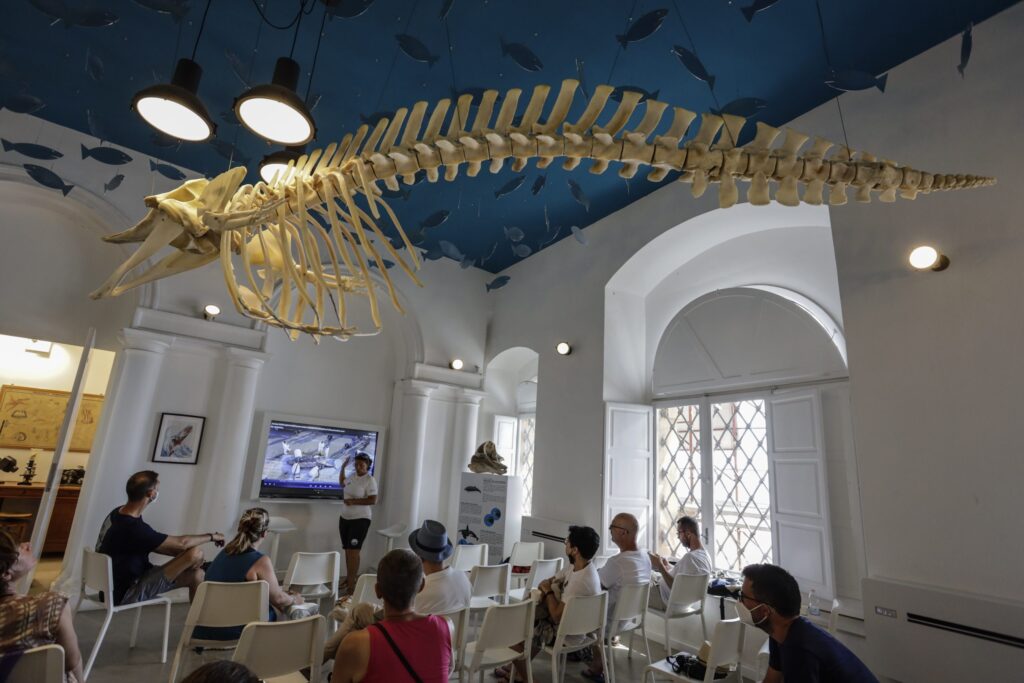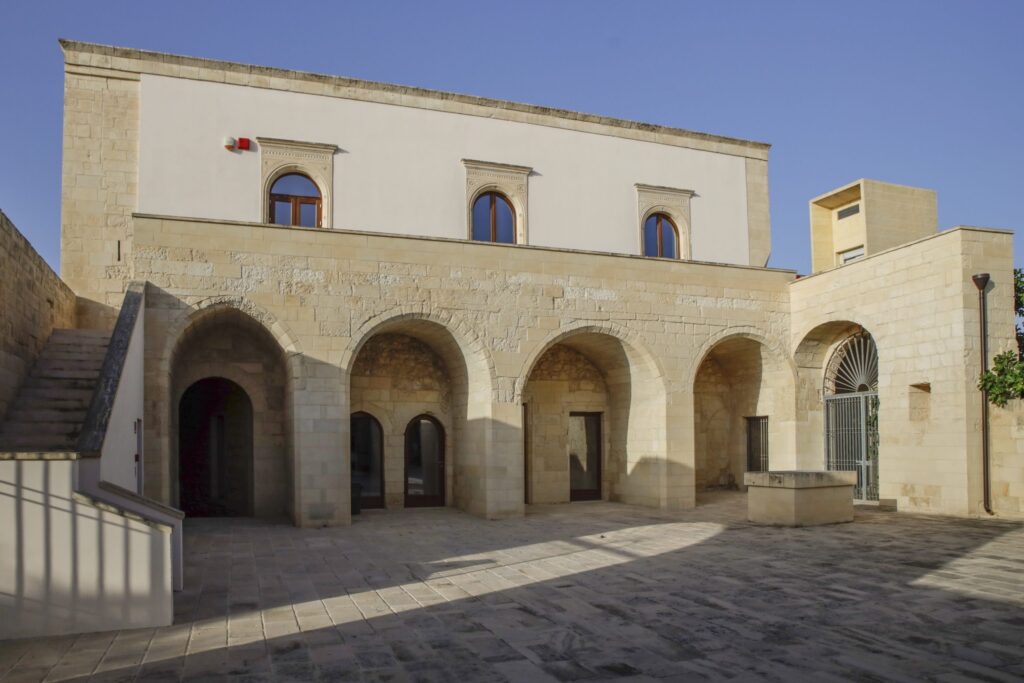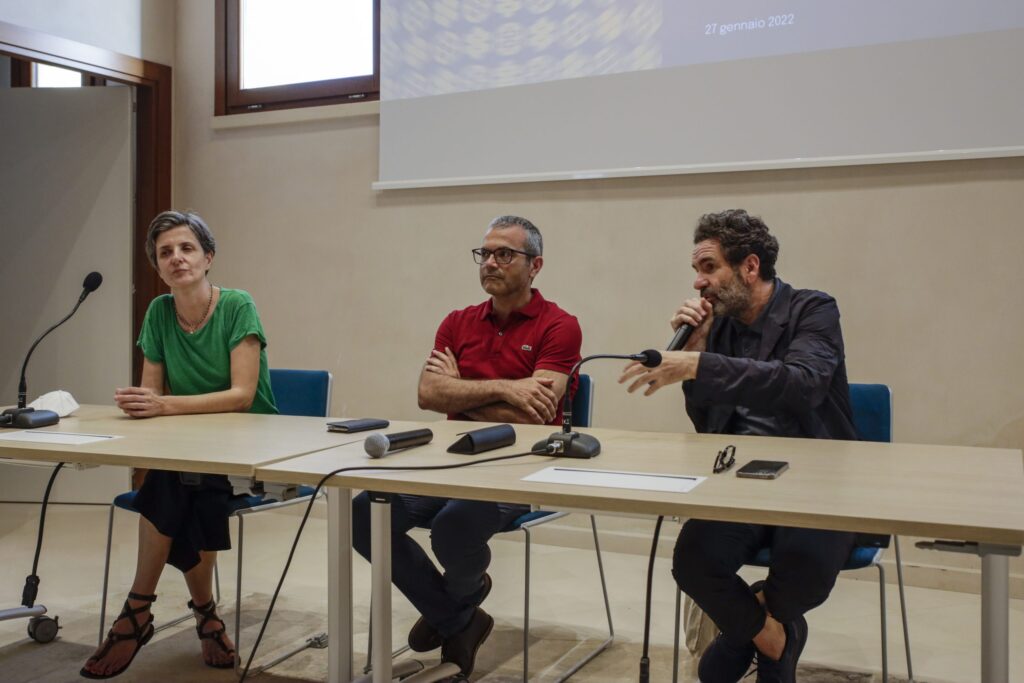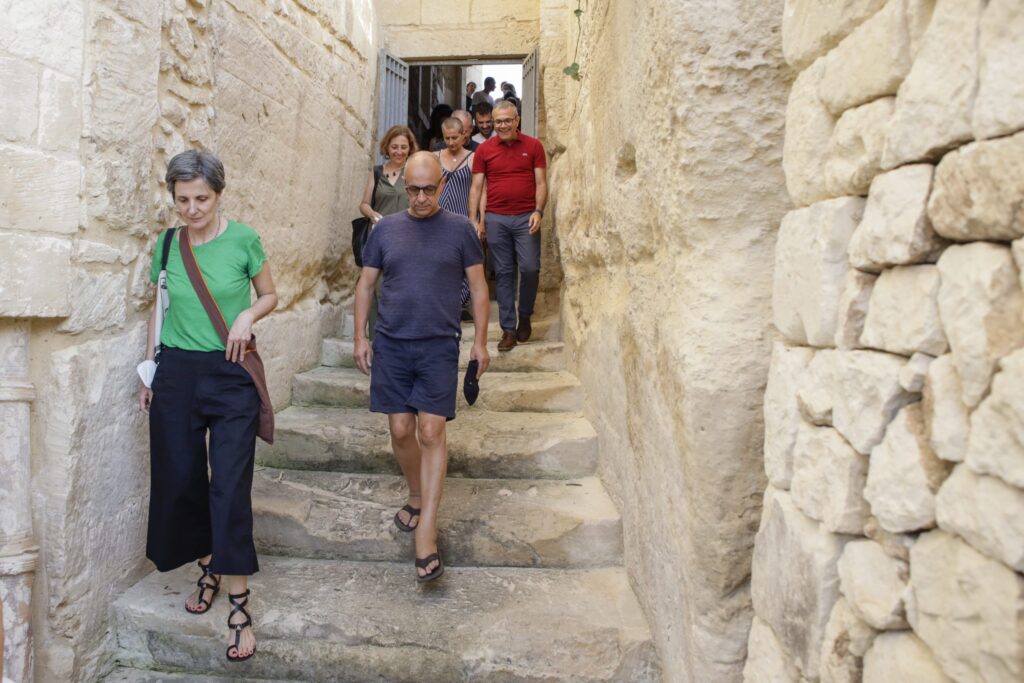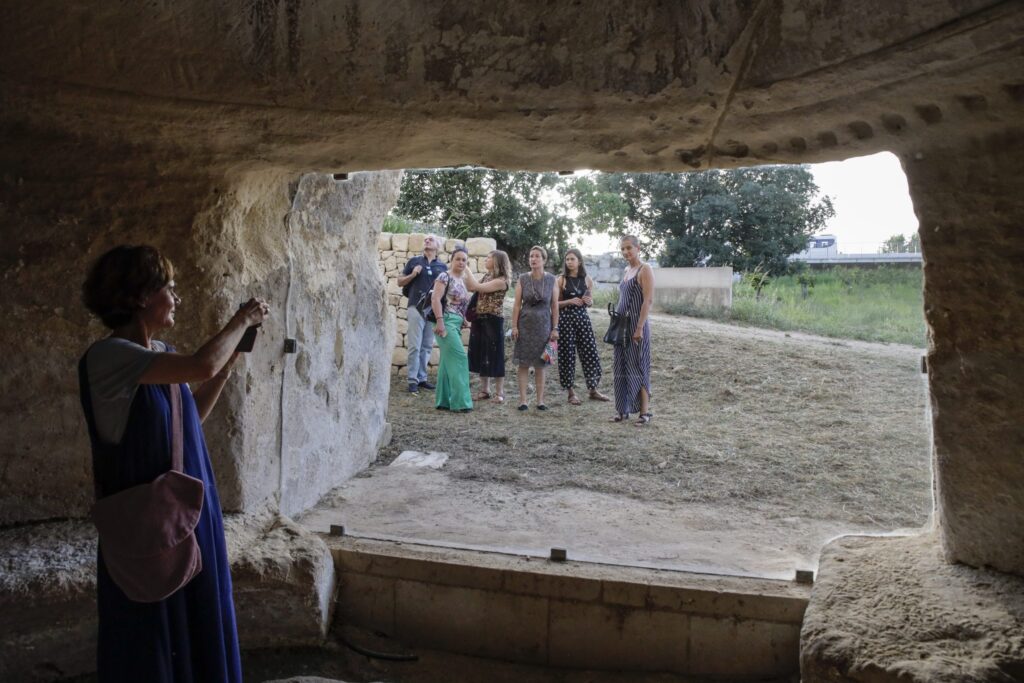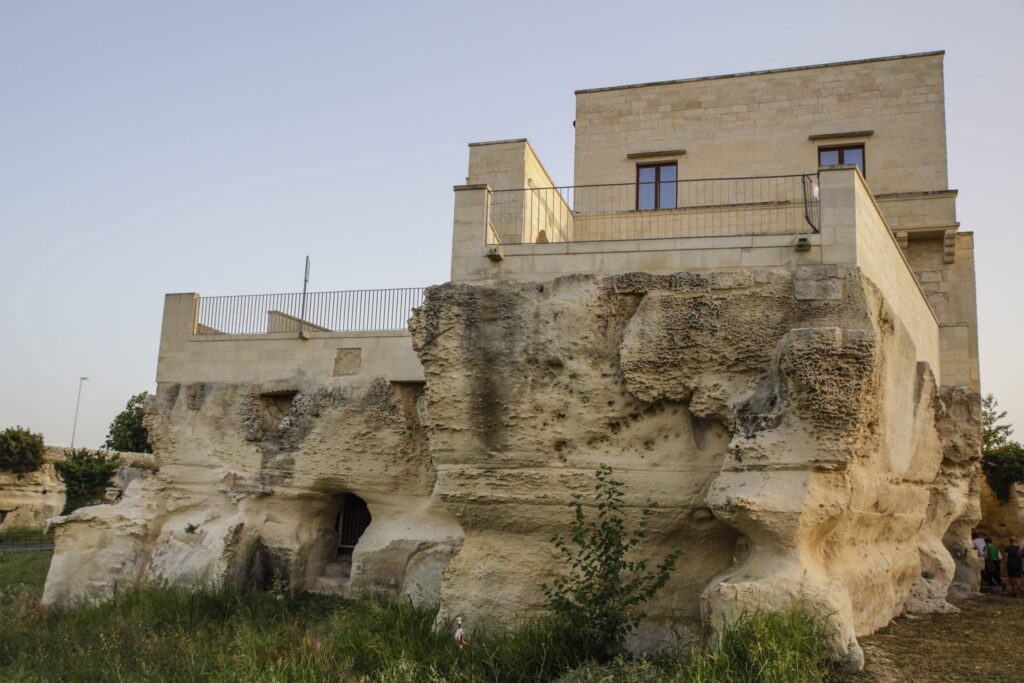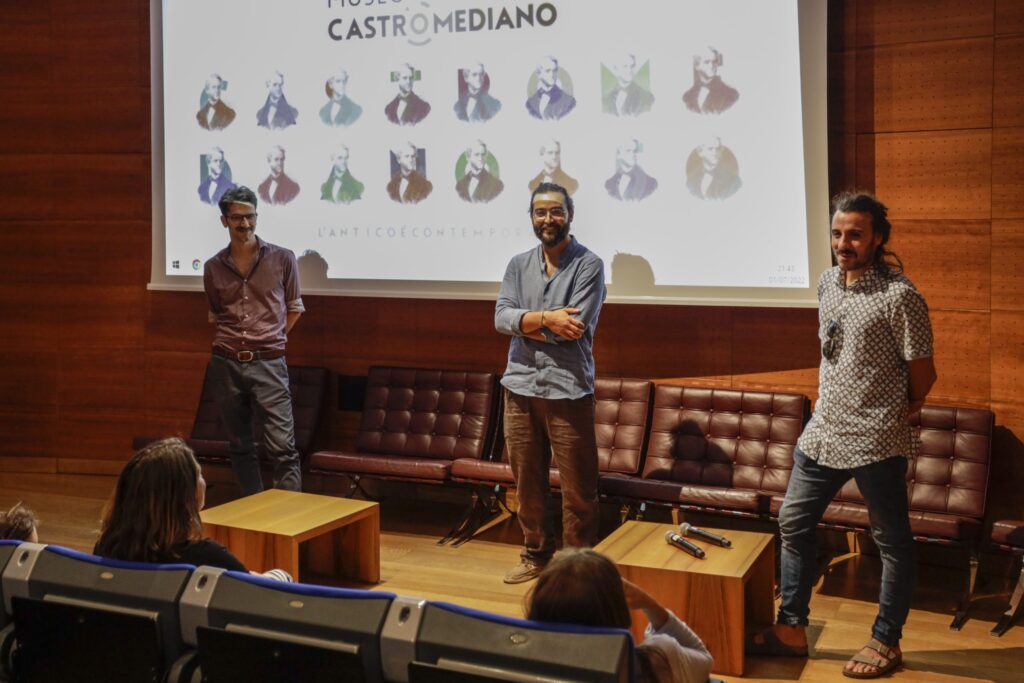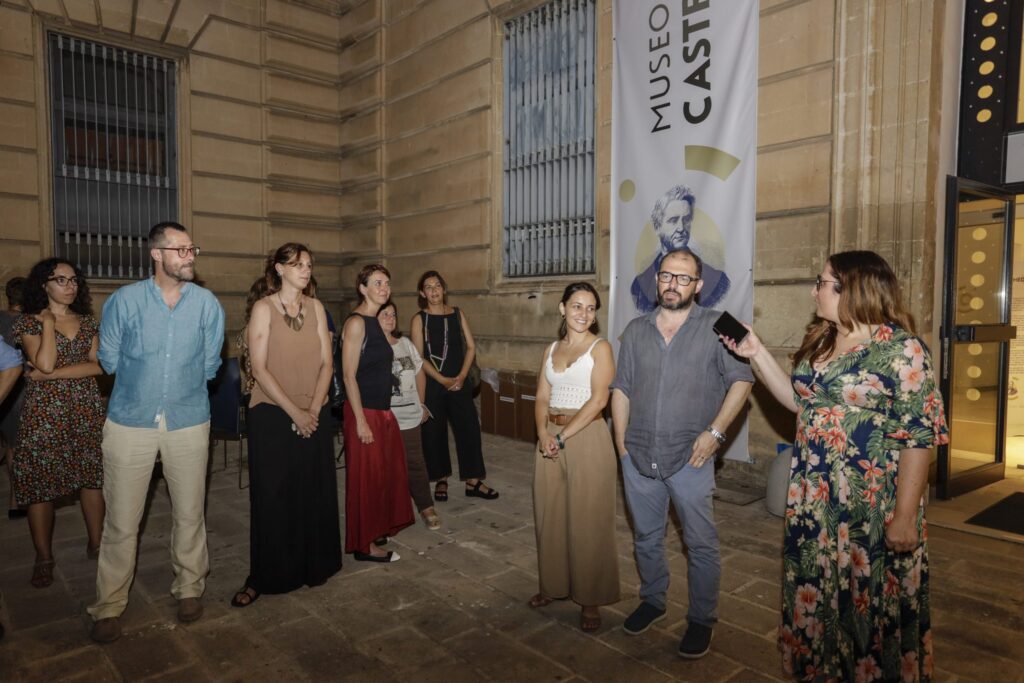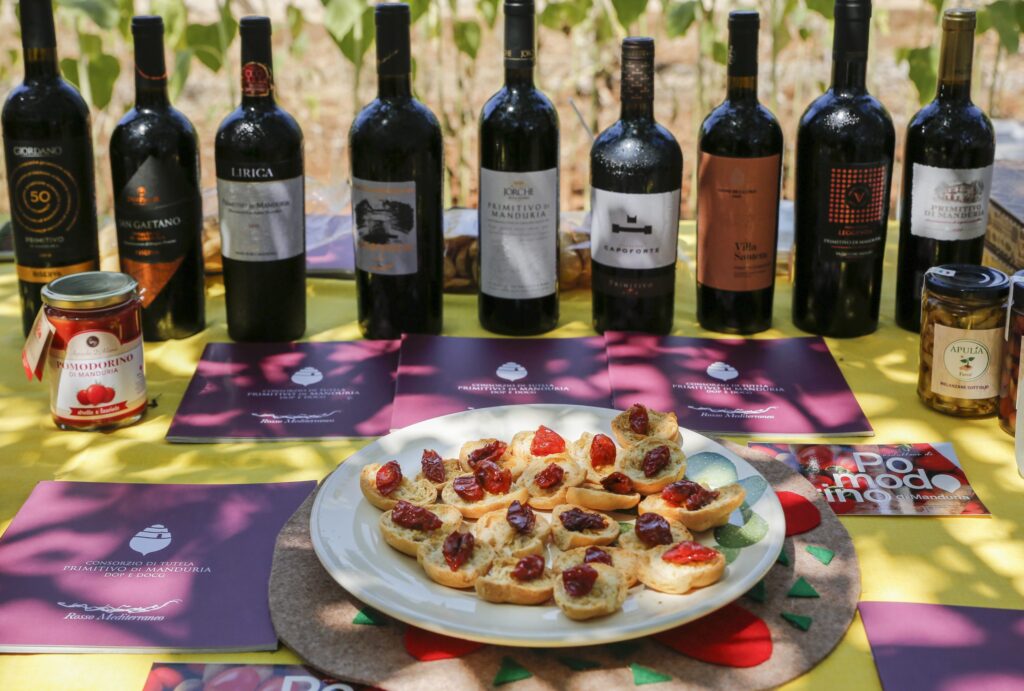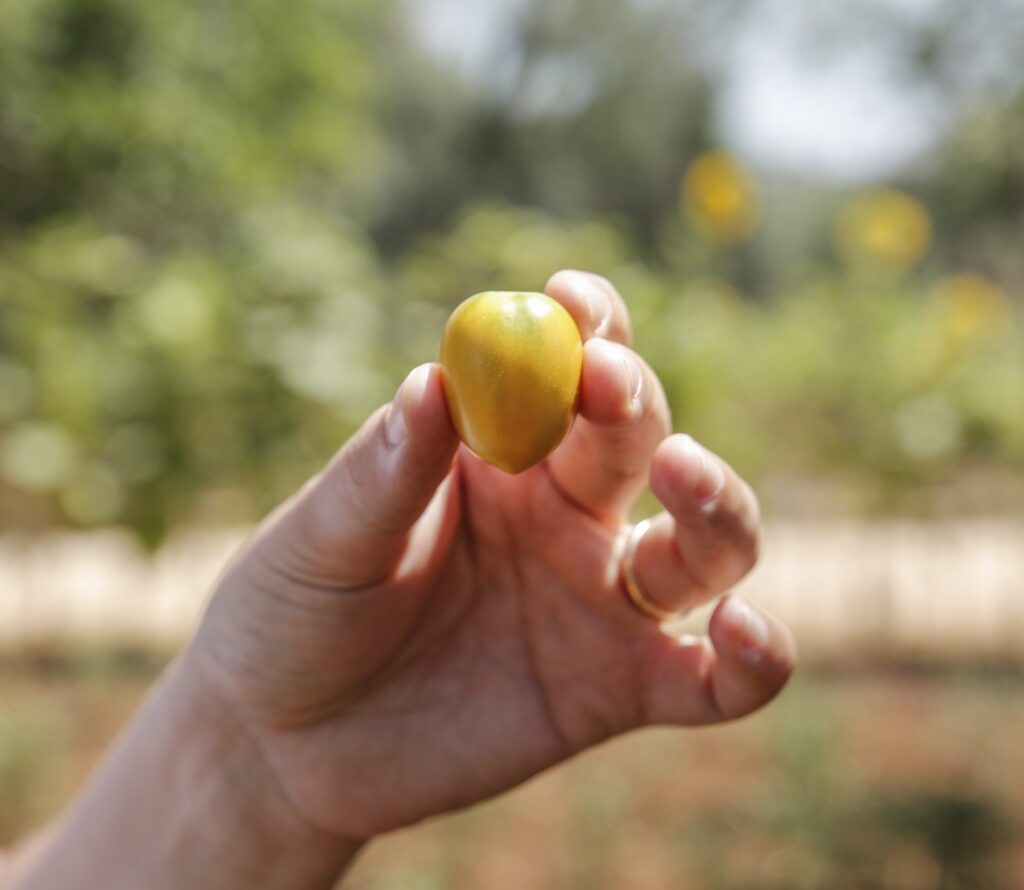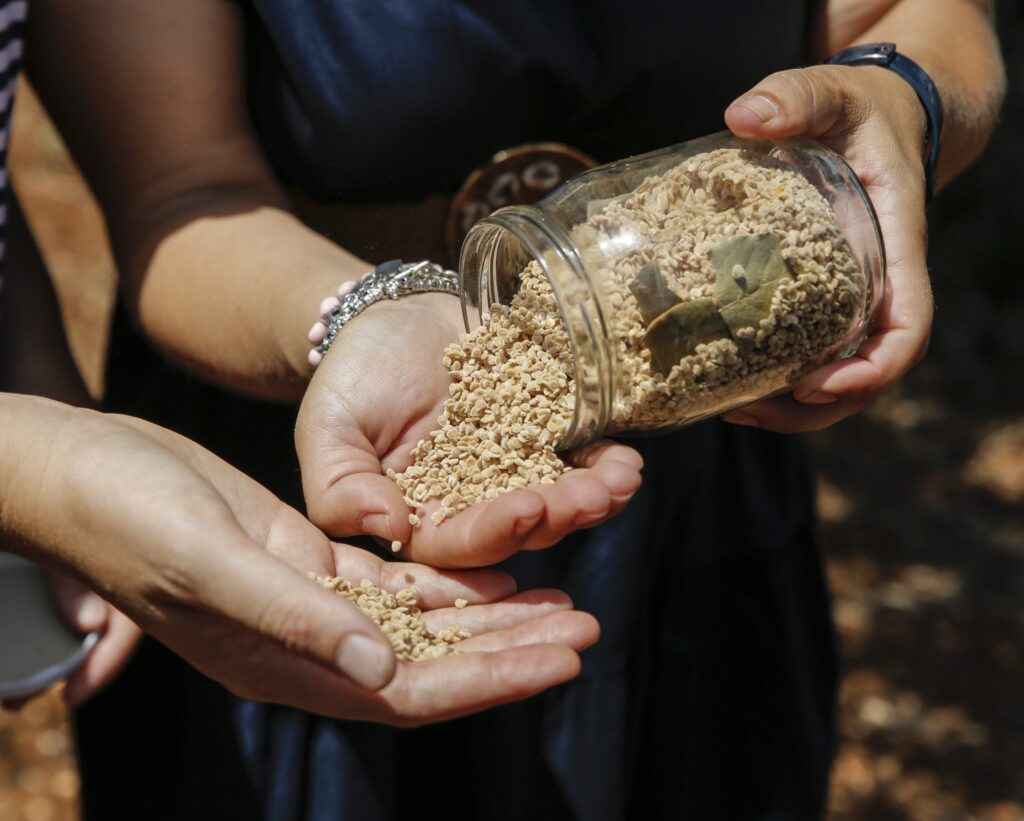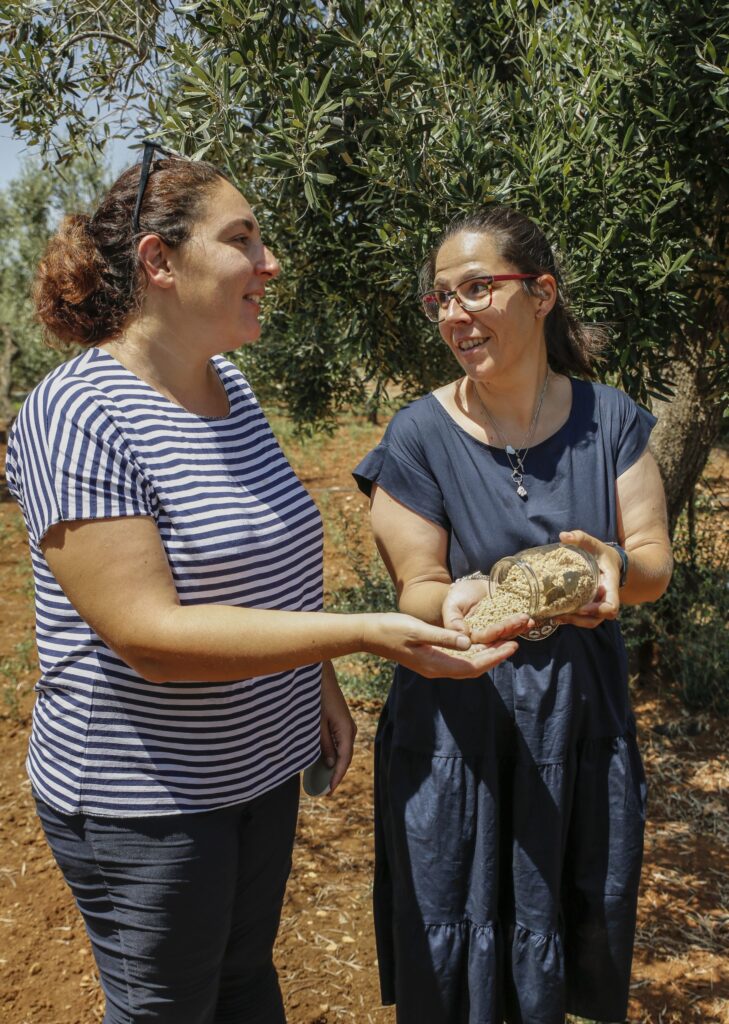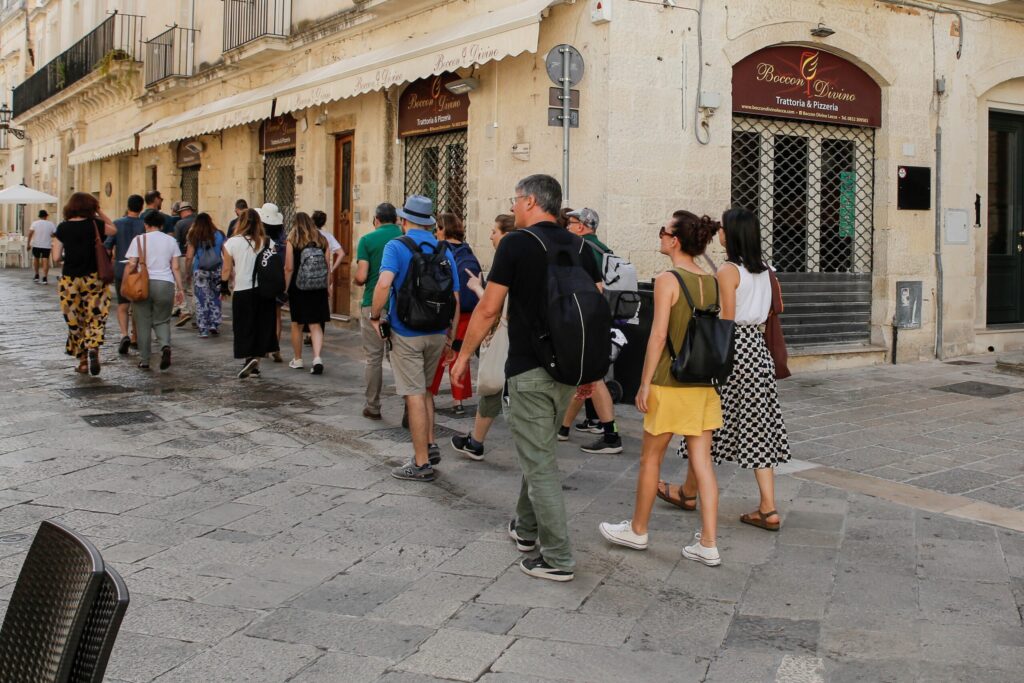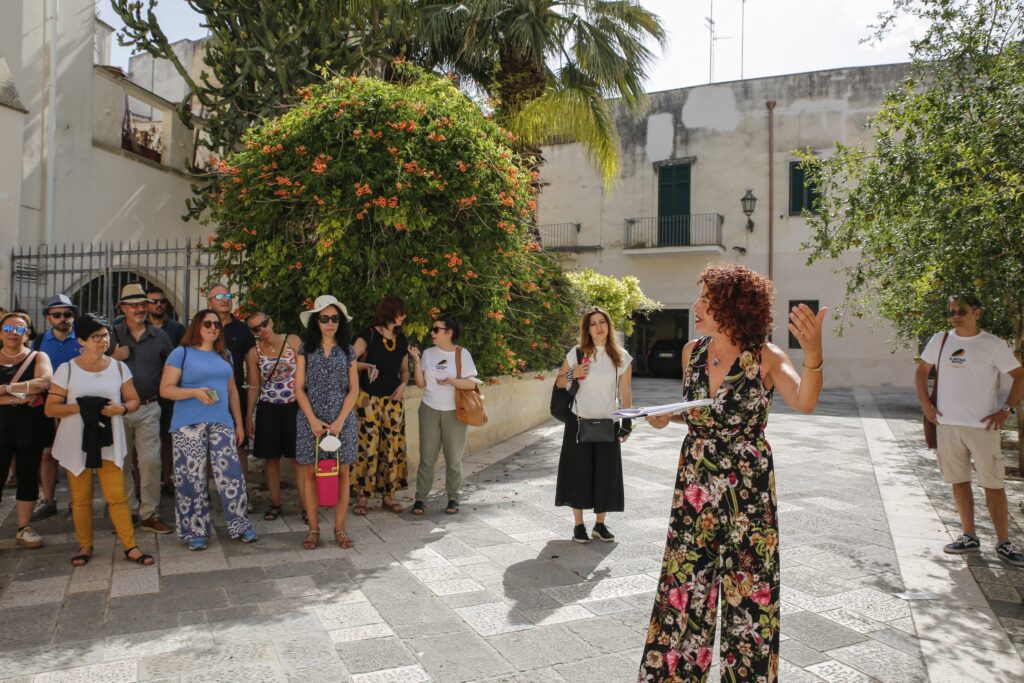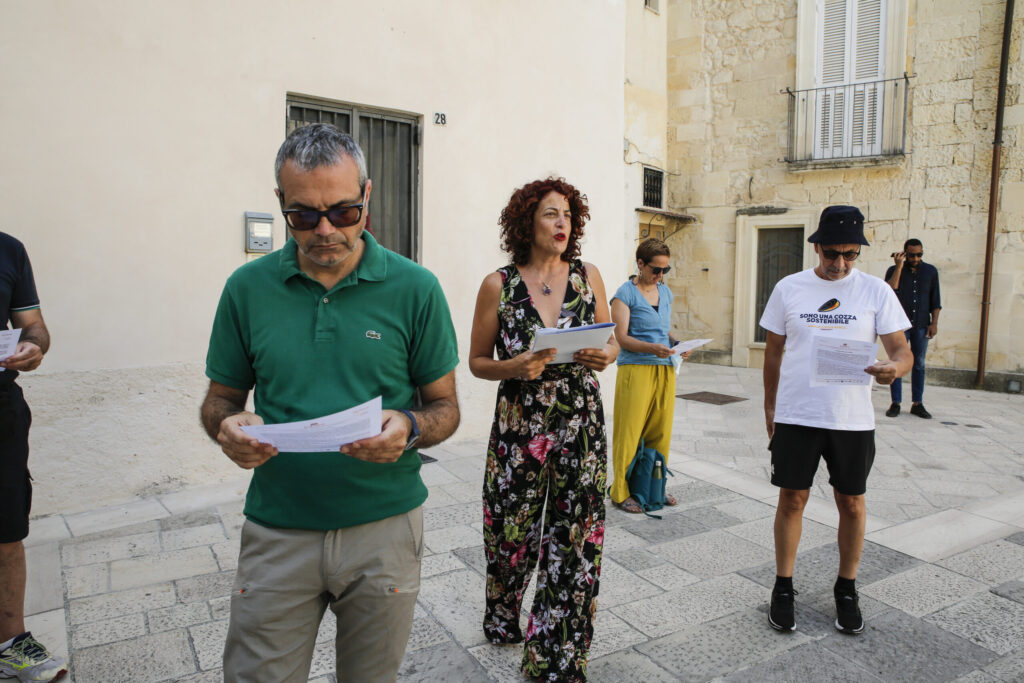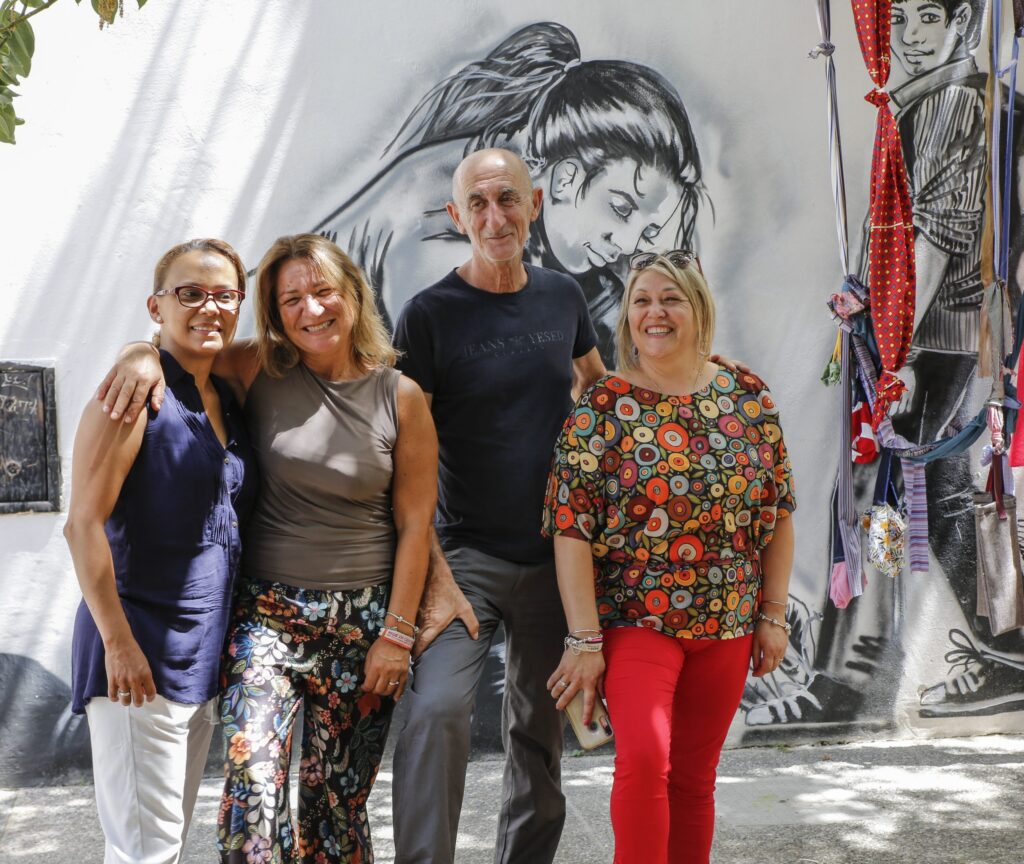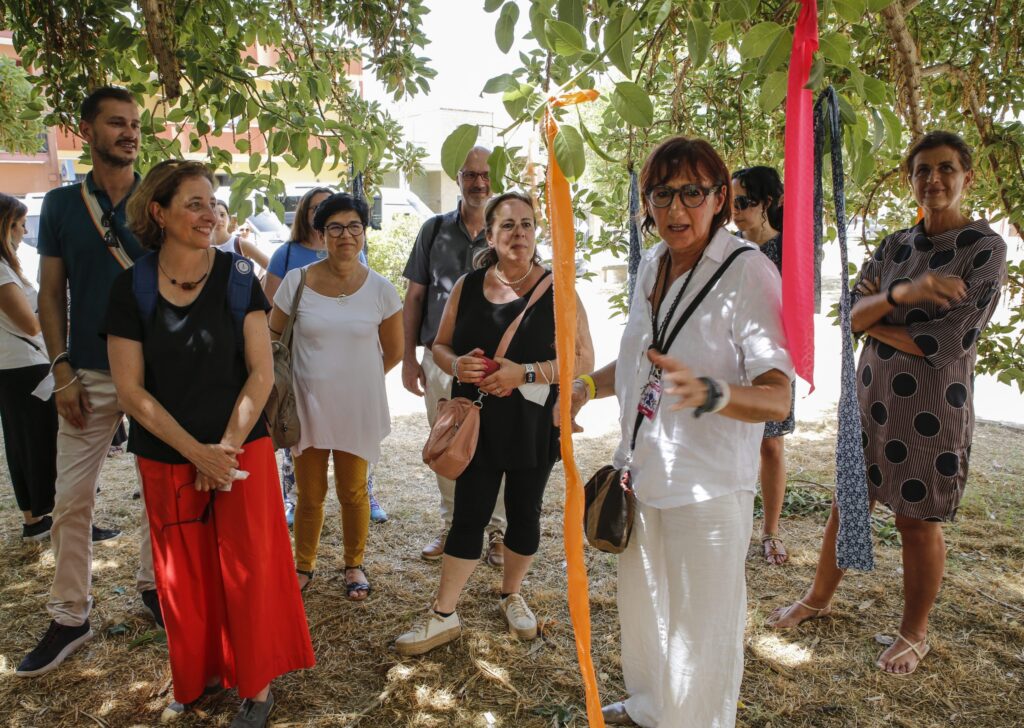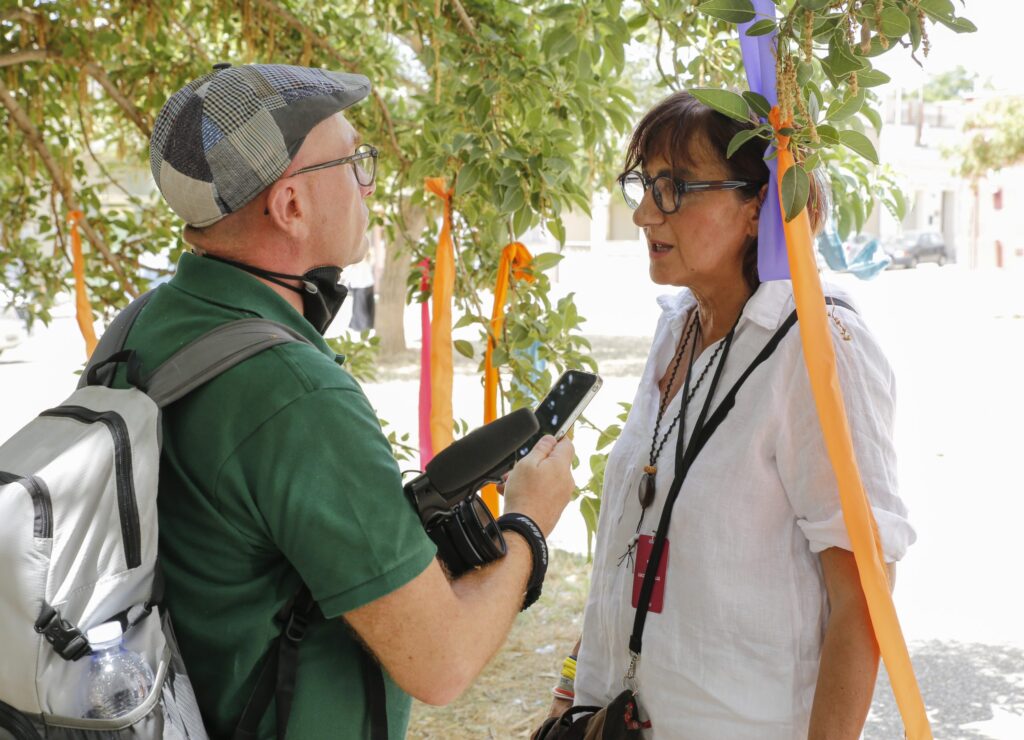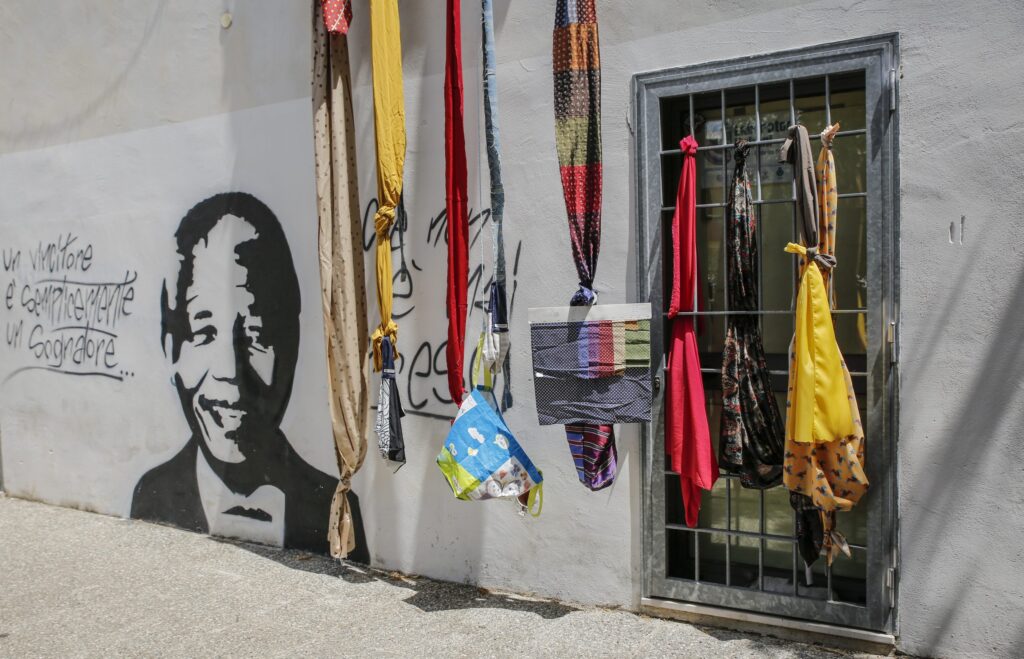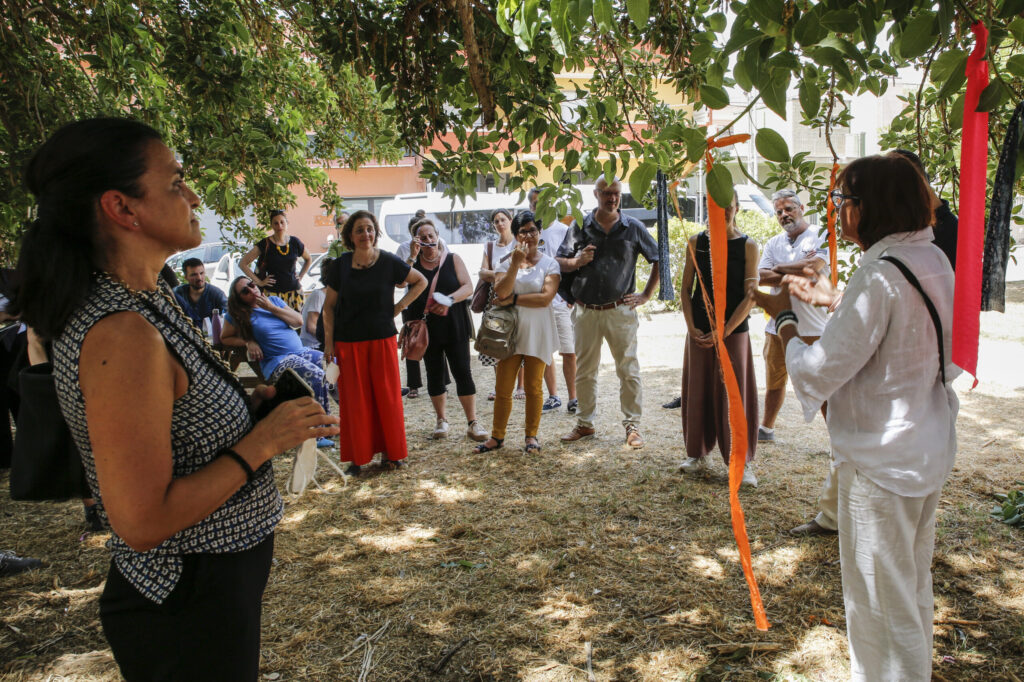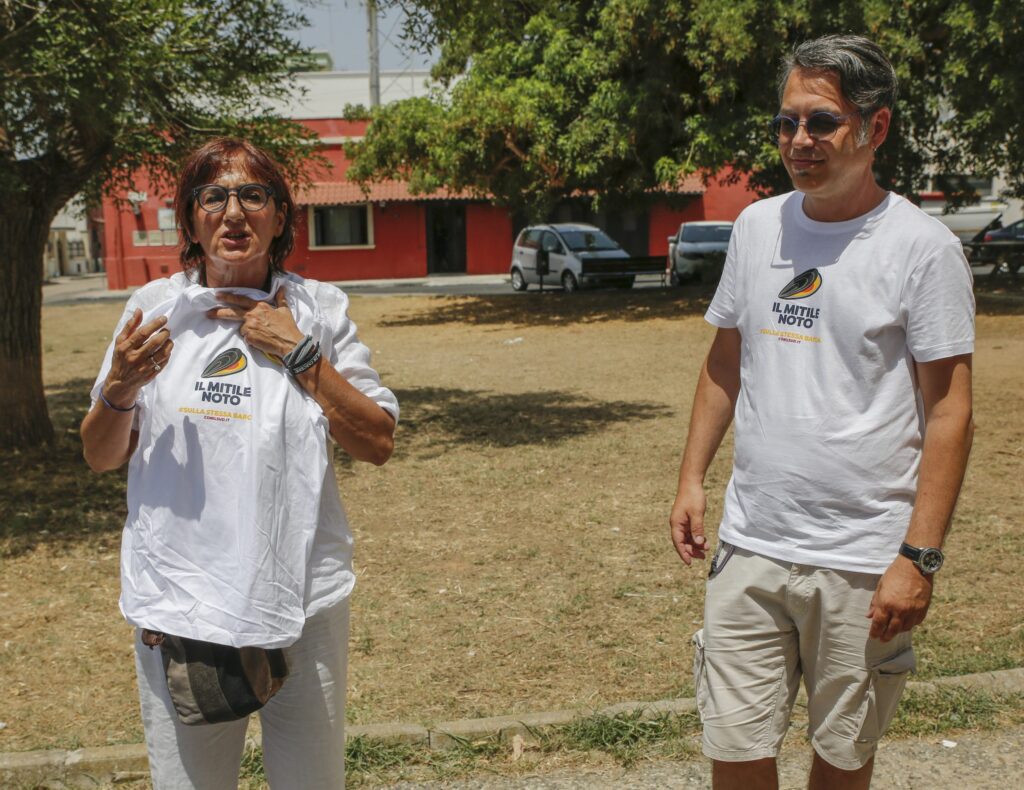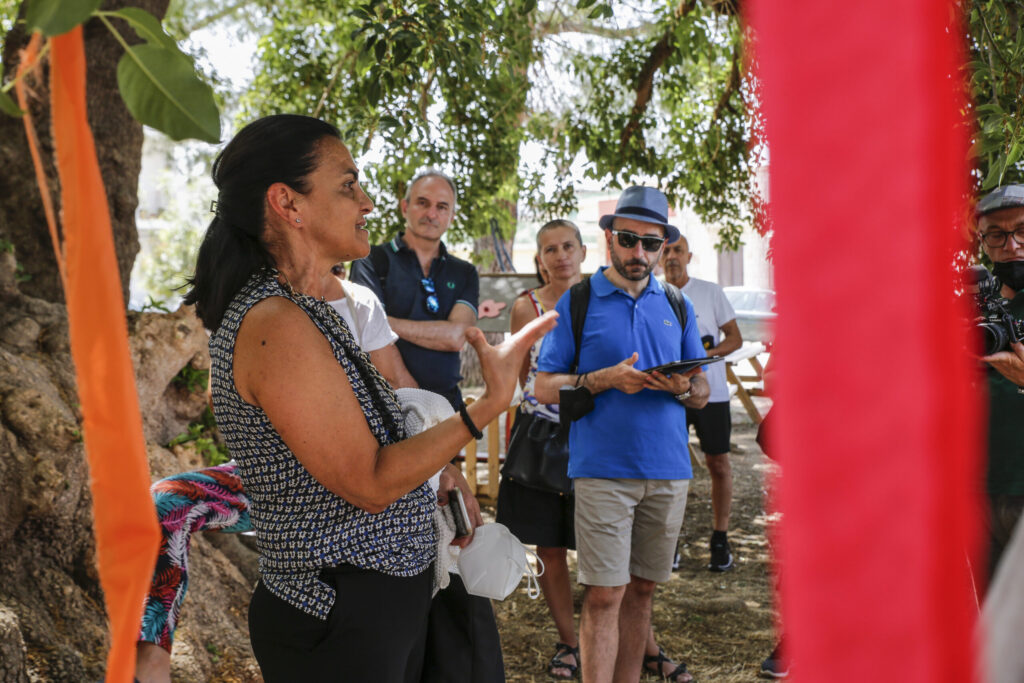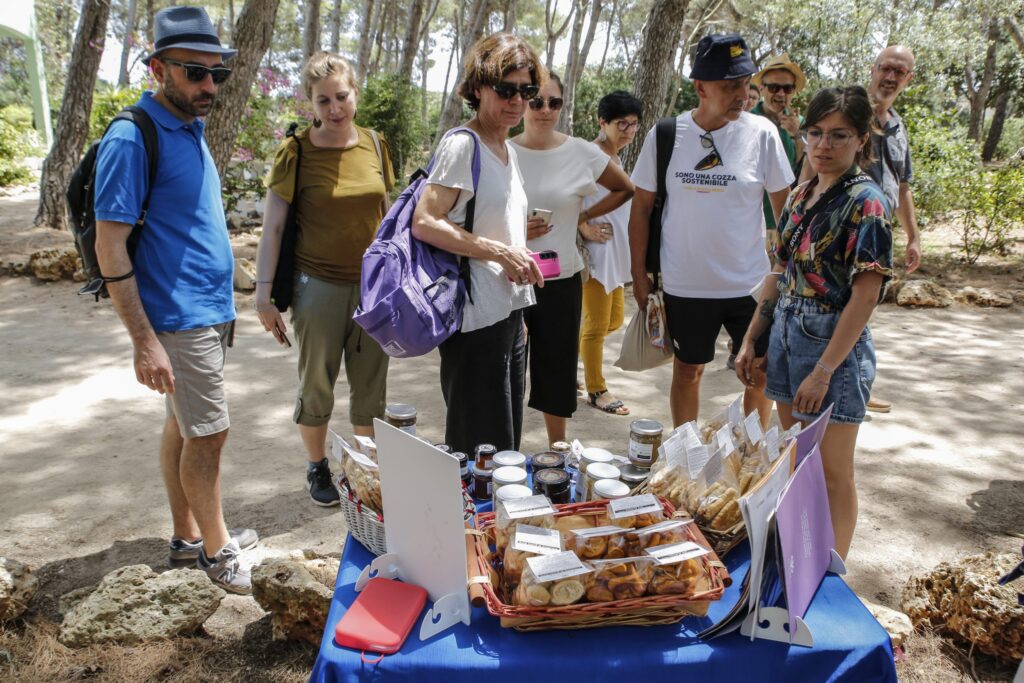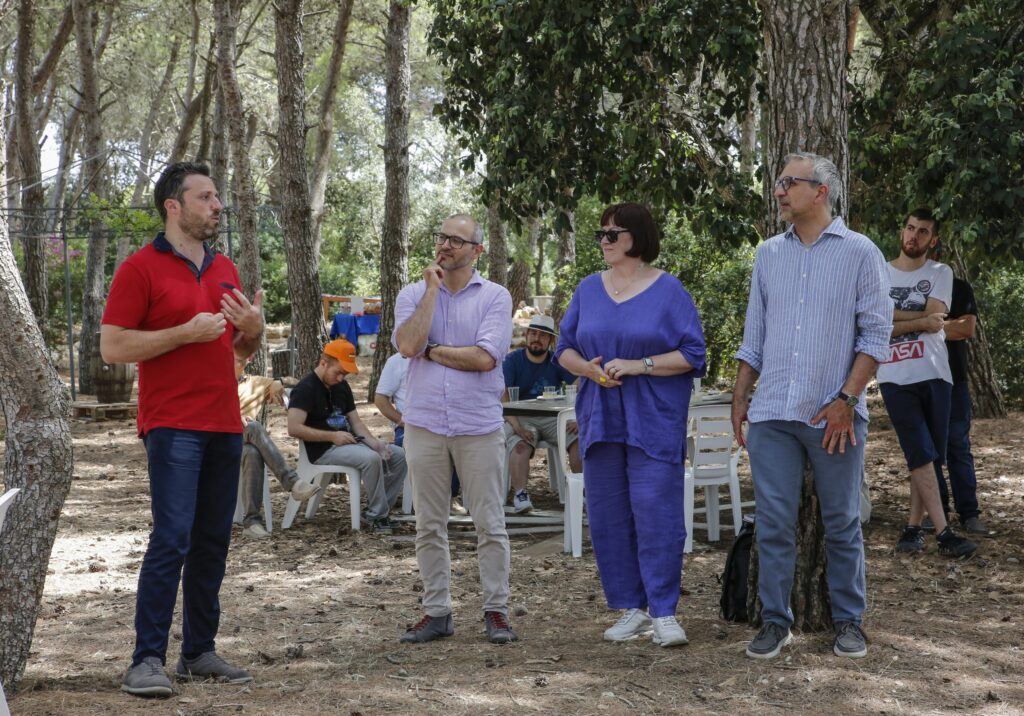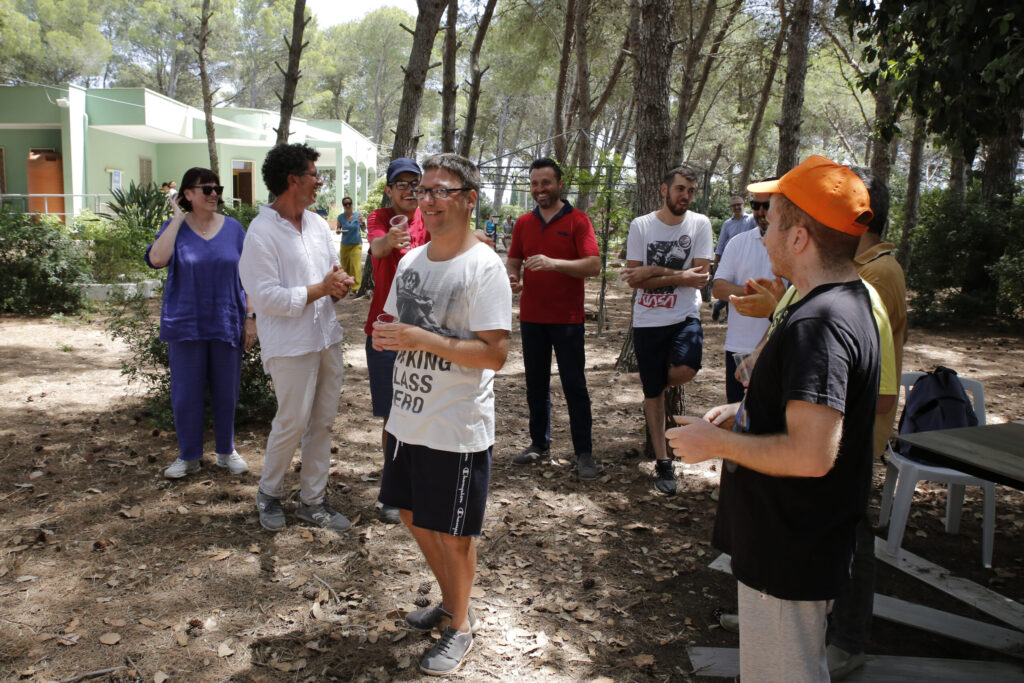
From 30 June to 2 July 2022, the Foundation accompanied a select group of institutional leaders, foundation representatives, third-sector organizations, and journalists on an itinerant journey, by sea and by land, between Taranto and the province of Lecce, to discover a Southern Italy where ‘sustainability’ represents an environmental and, above all, social value, built and strengthened through community ties.
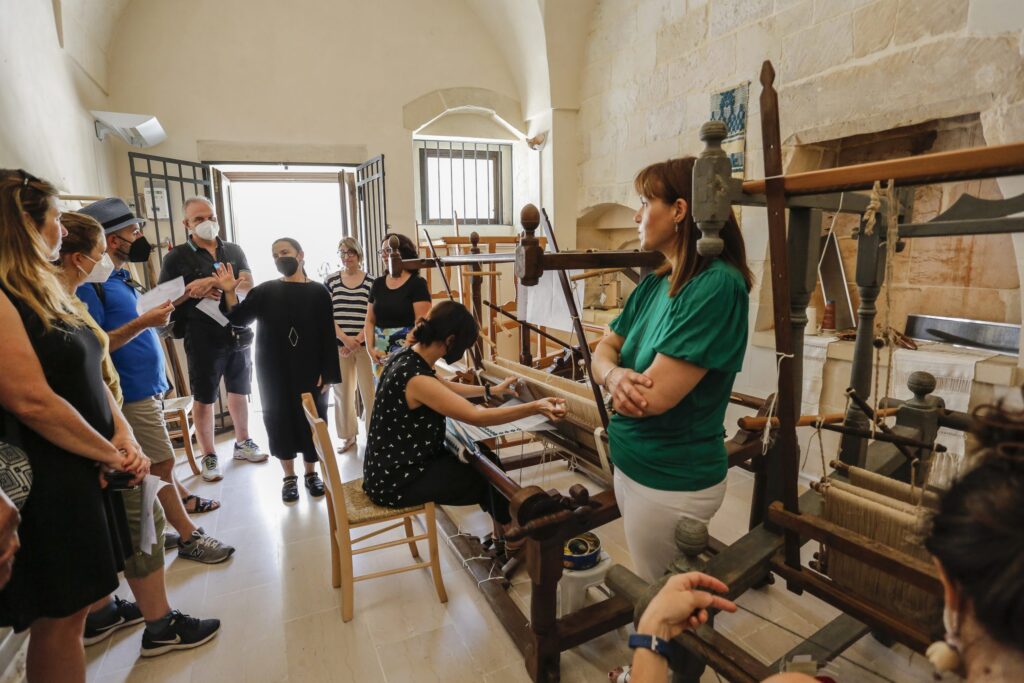
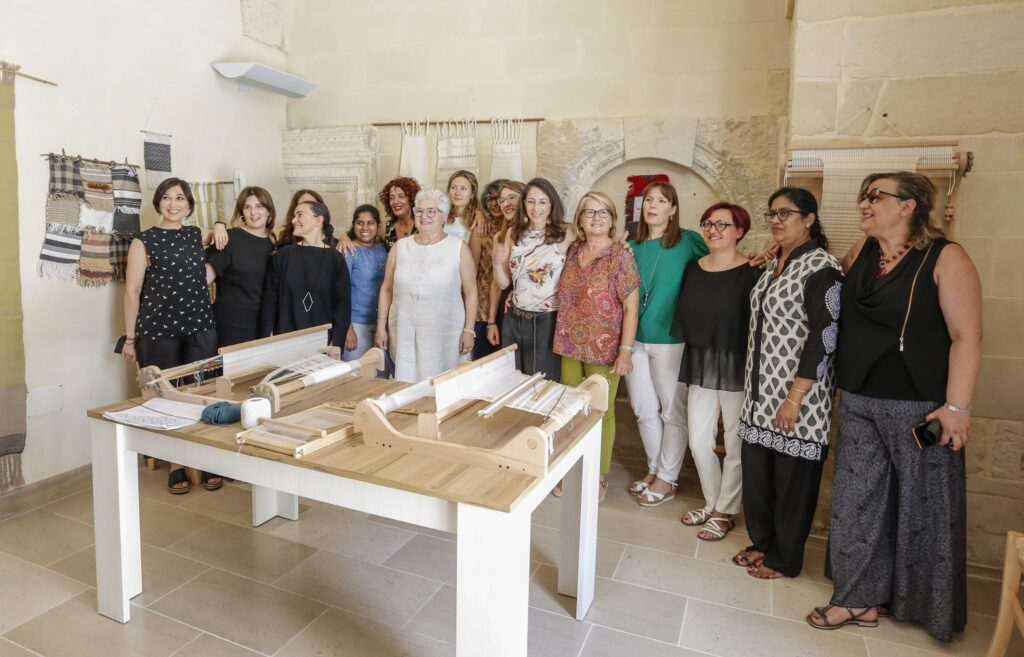
The three-day journey offered a firsthand look at several significant initiatives launched with the Foundation’s support: stories and protagonists of a change that is no longer just hoped for but actively achieved, through a development model focused on promoting community development and maximizing local potential.
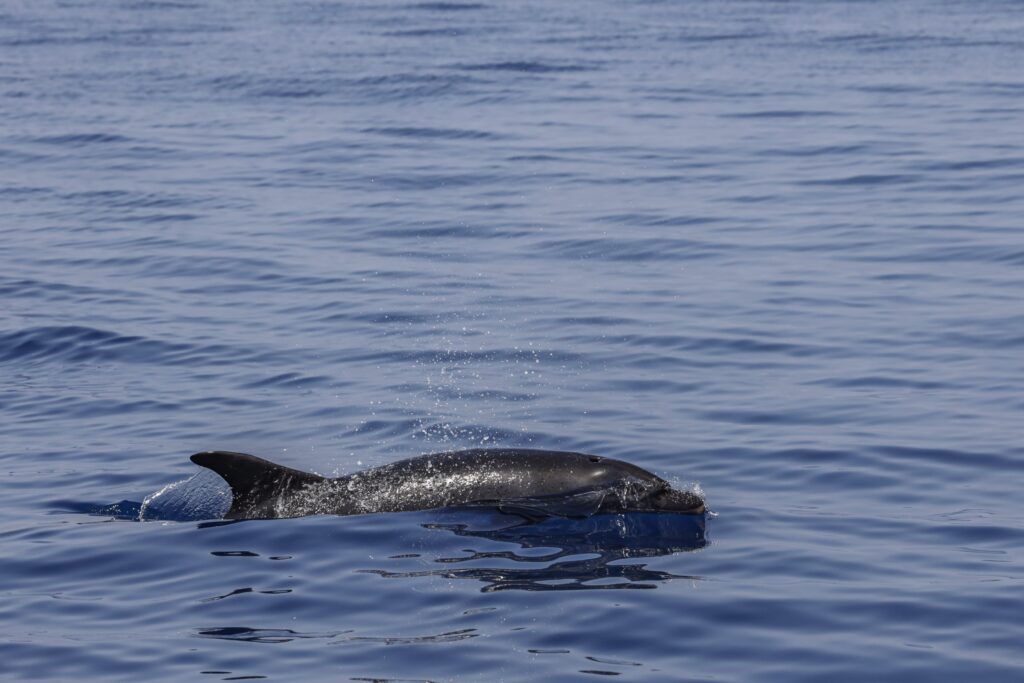
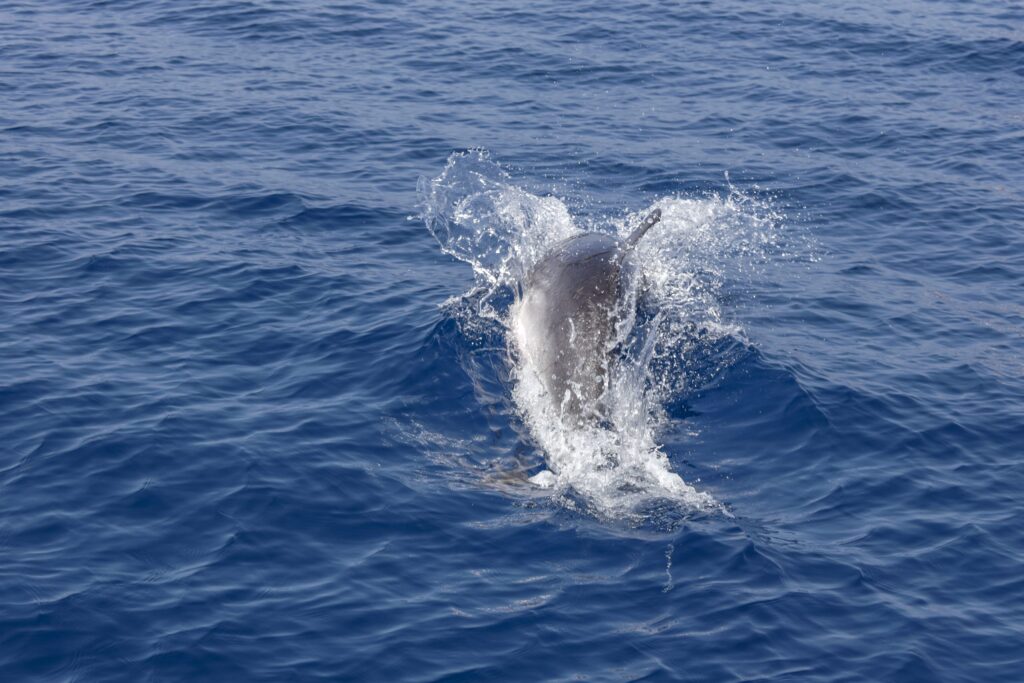
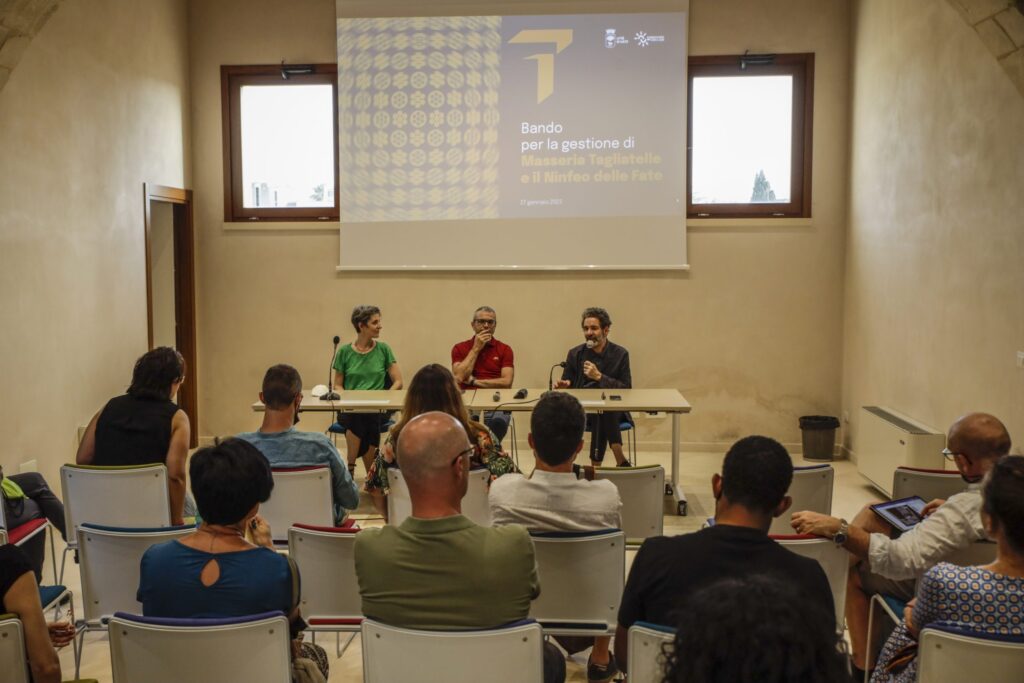
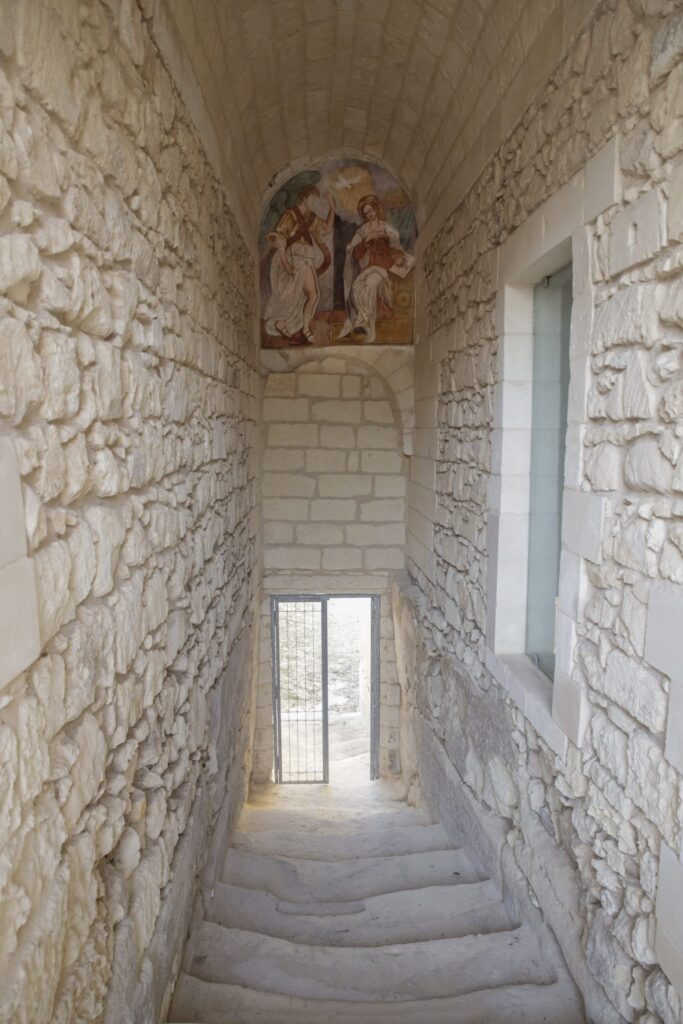
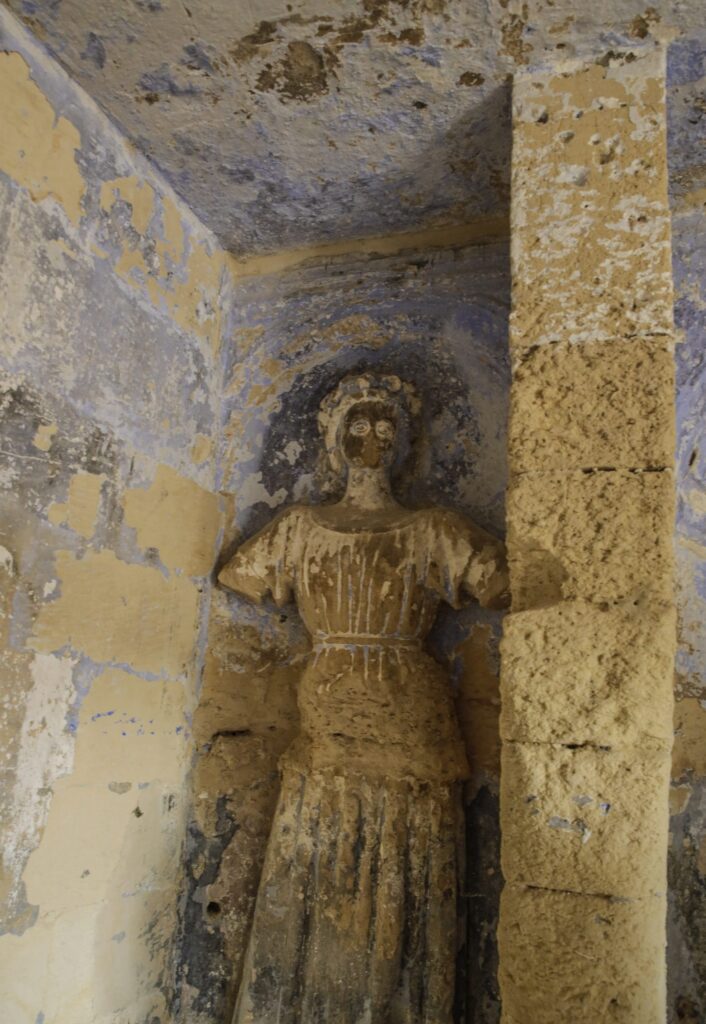
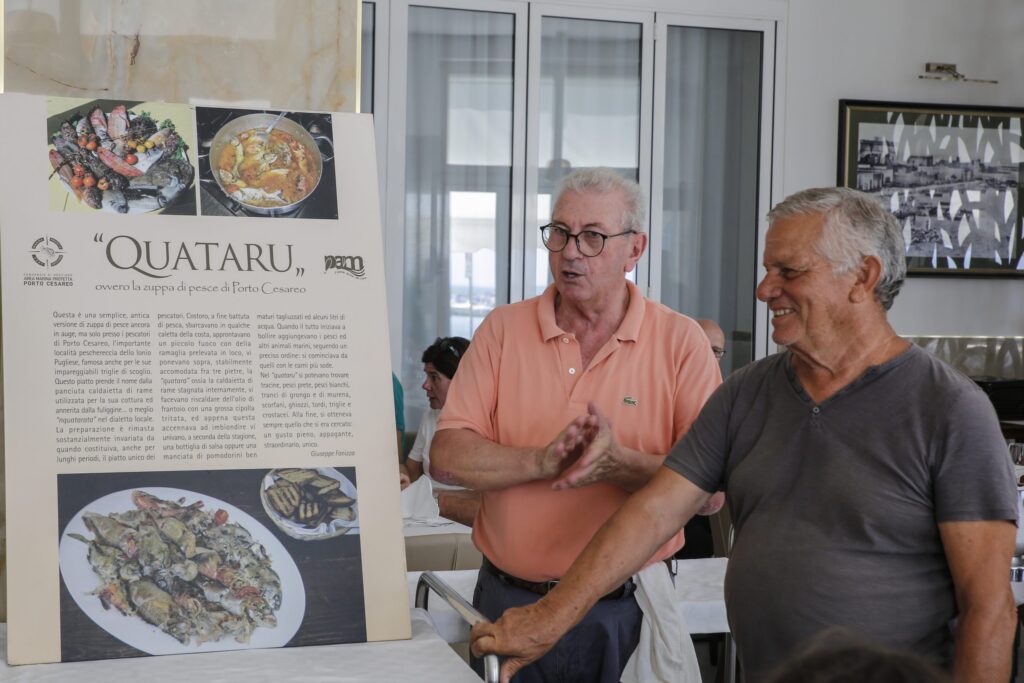
The journey began aboard catamarans operated by the Jonian Dolphin Conservation Association, which manages Ketos, the Euro-Mediterranean Centre for the Sea and Cetaceans, before continuing south toward the Porto Cesareo Marine Protected Area in the province of Lecce, home to one of the three Slow Food presidia for sustainable fishing established with the Foundation’s support. The journey then moved from sea to land along the roads of Salento, reaching Lecce where the group met other people at the heart of local change: Masseria Tagliatelle, restored for community use through a joint call for proposals issued by the City of Lecce and the Foundation, and other initiatives that create opportunities for social and employment inclusion by reviving traditional practices.
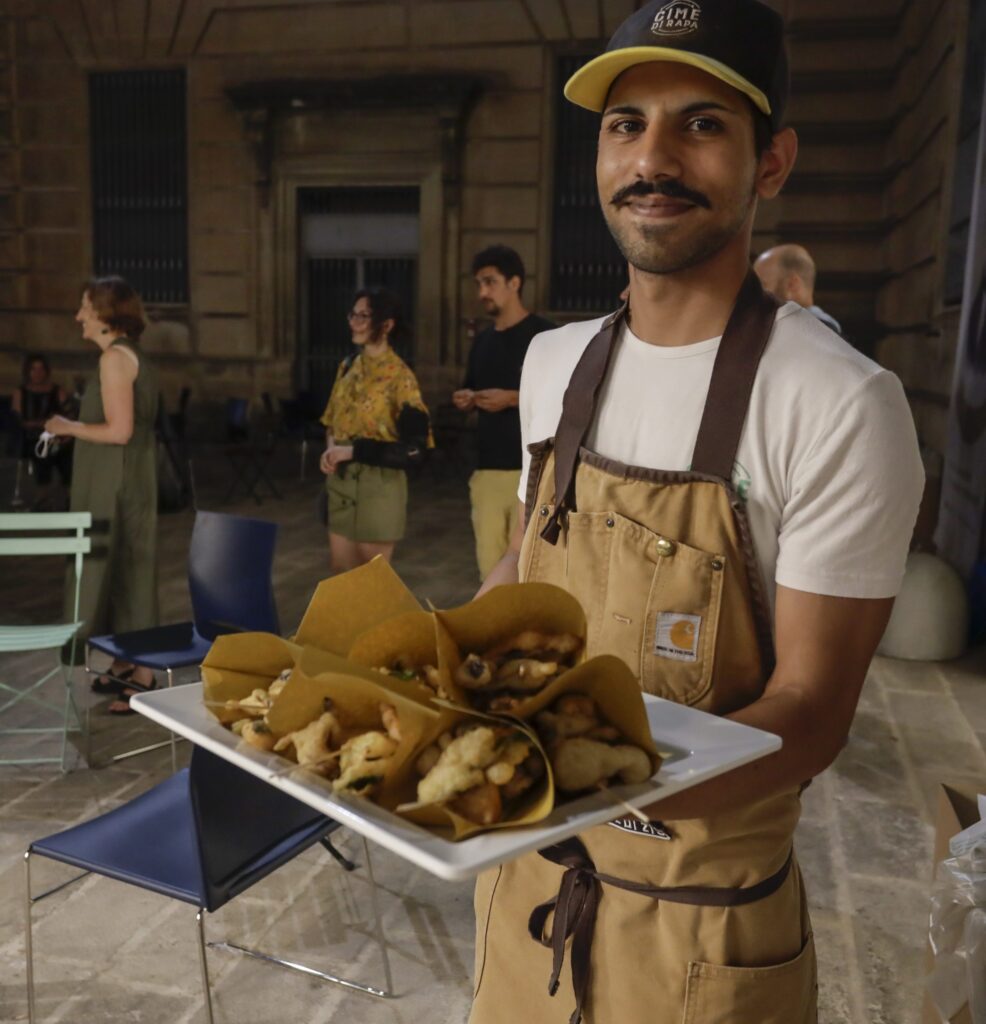
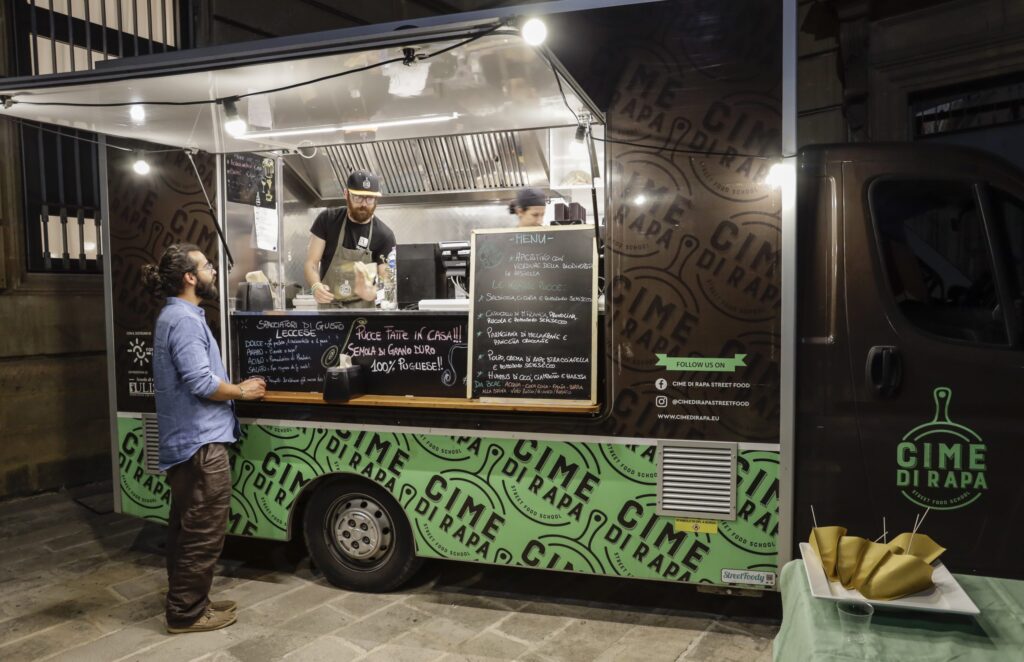
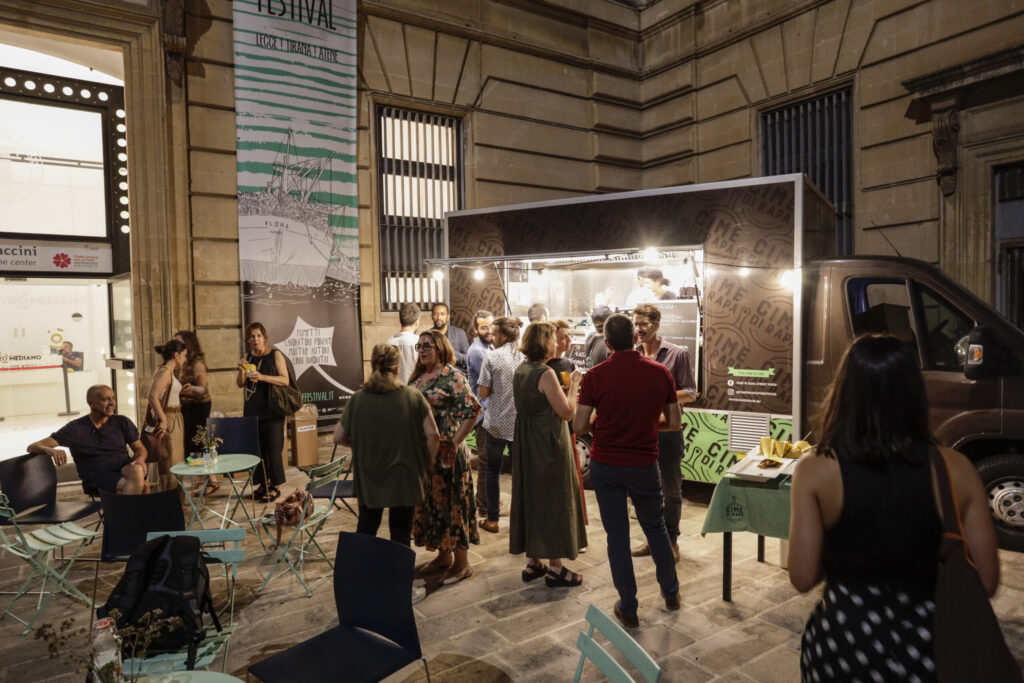
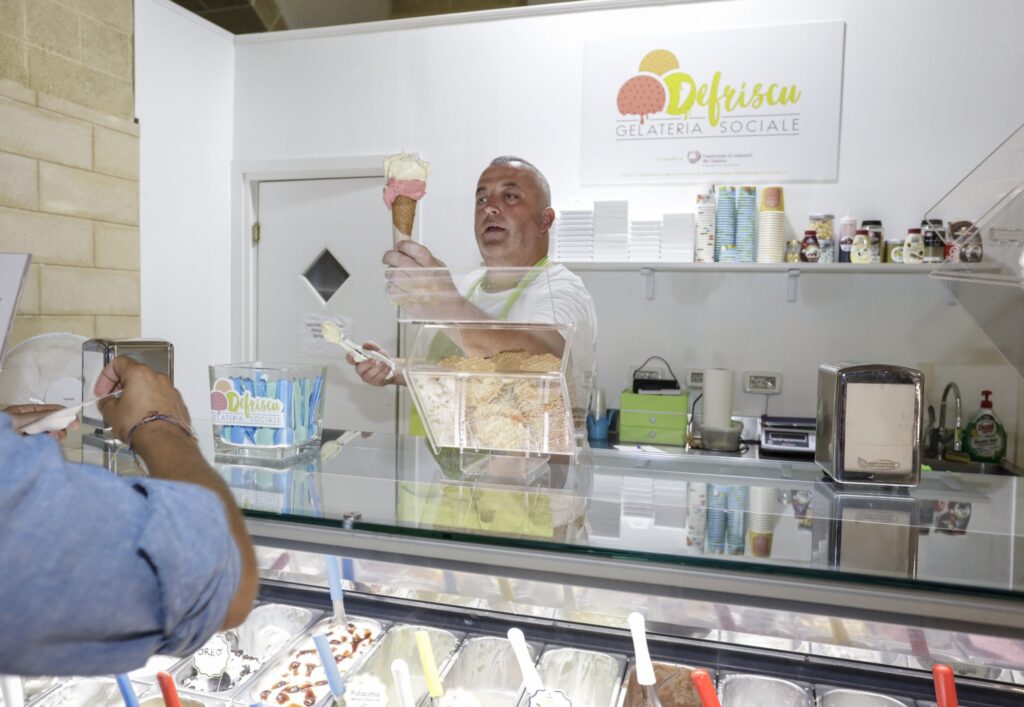
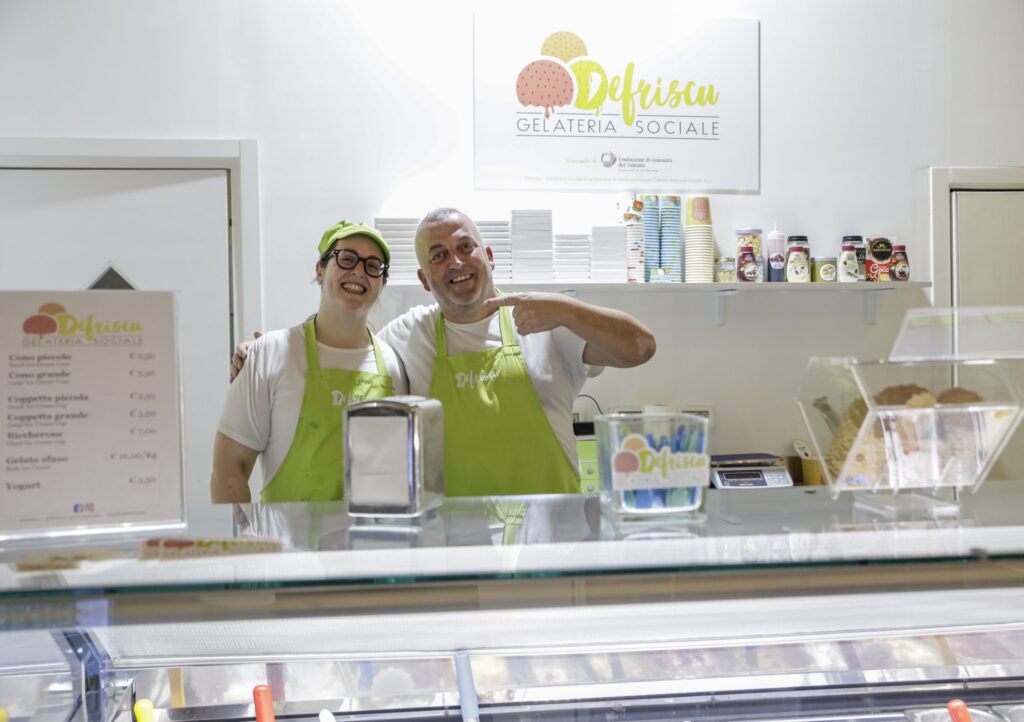
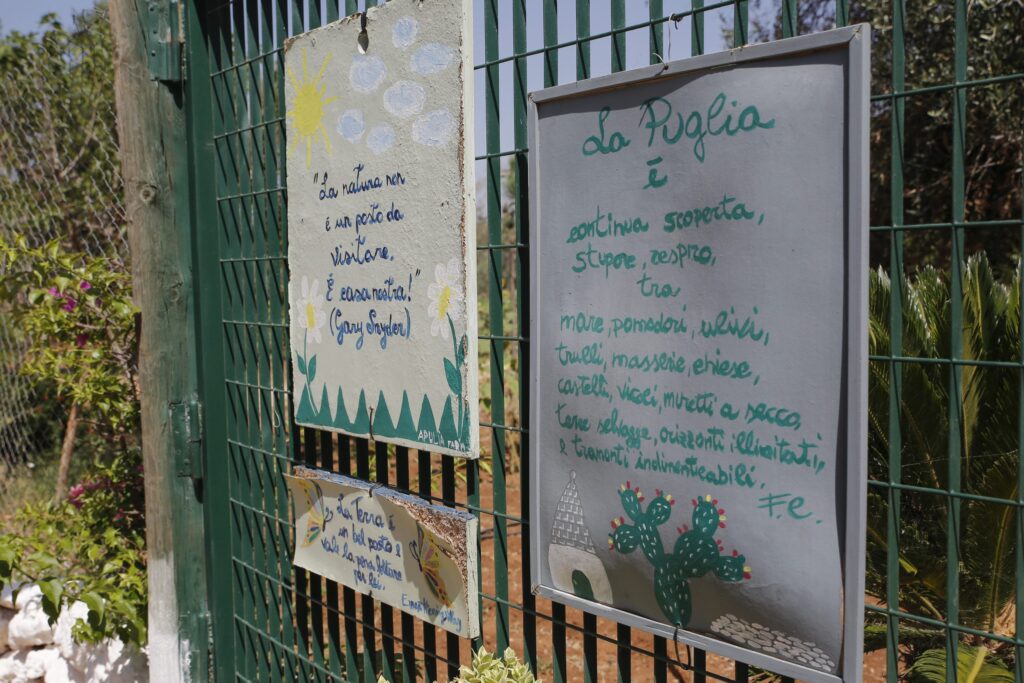
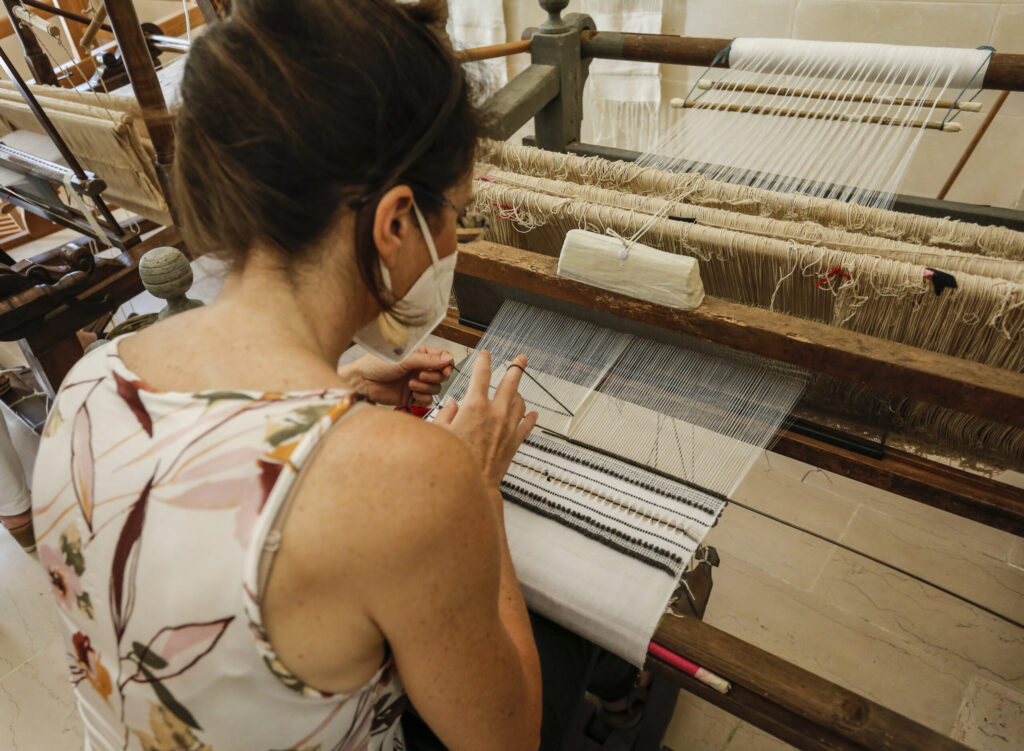
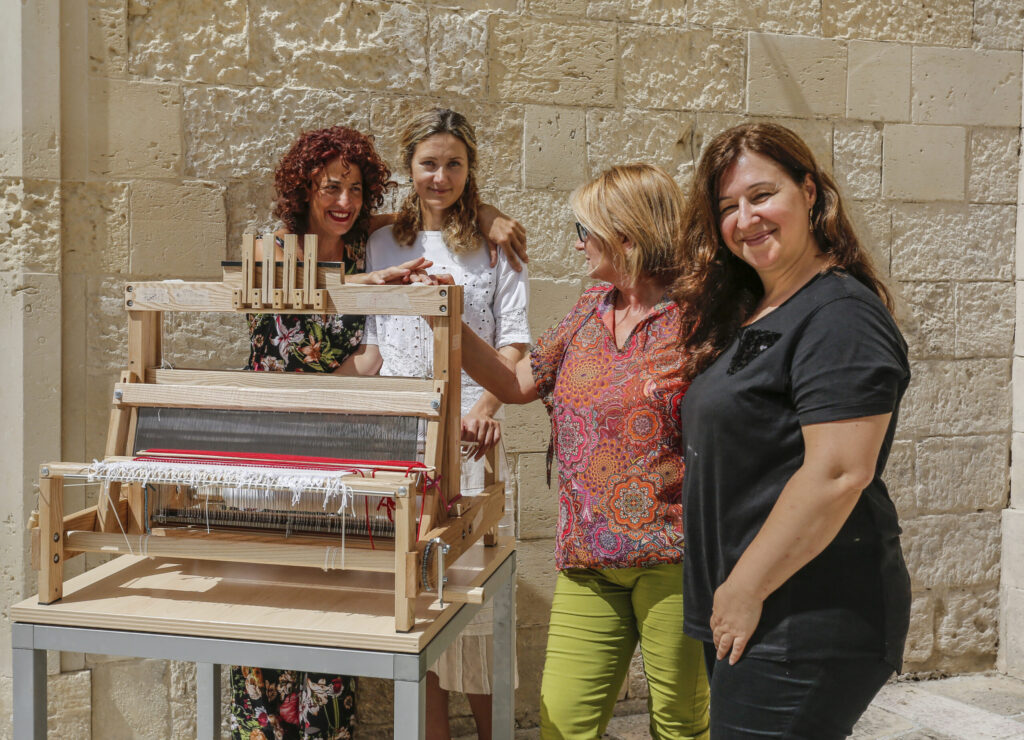
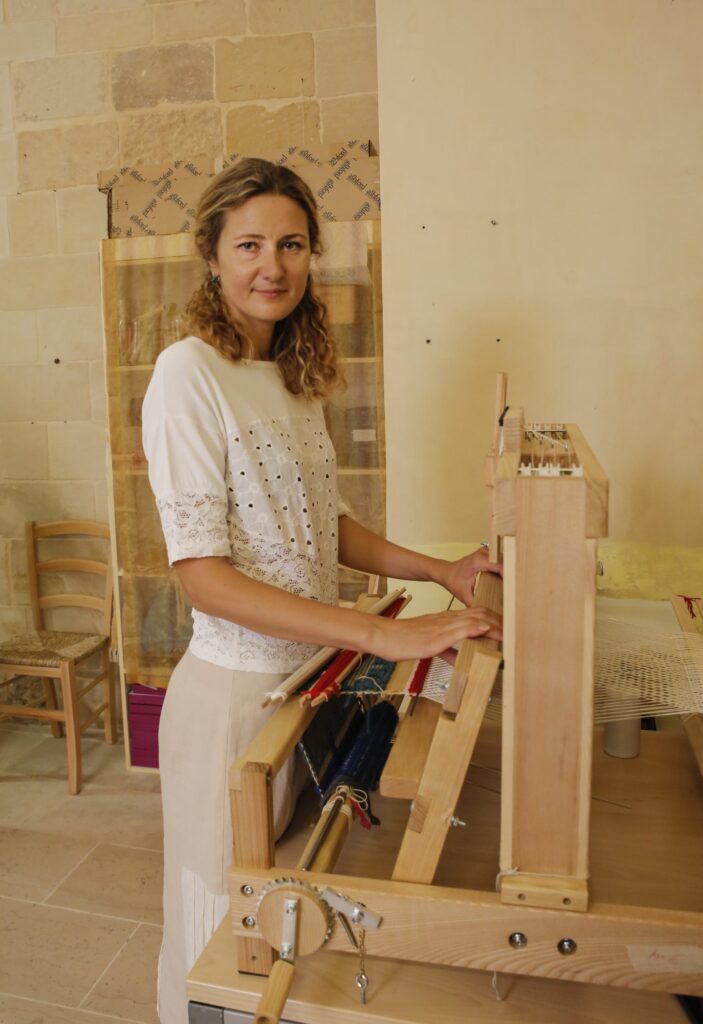
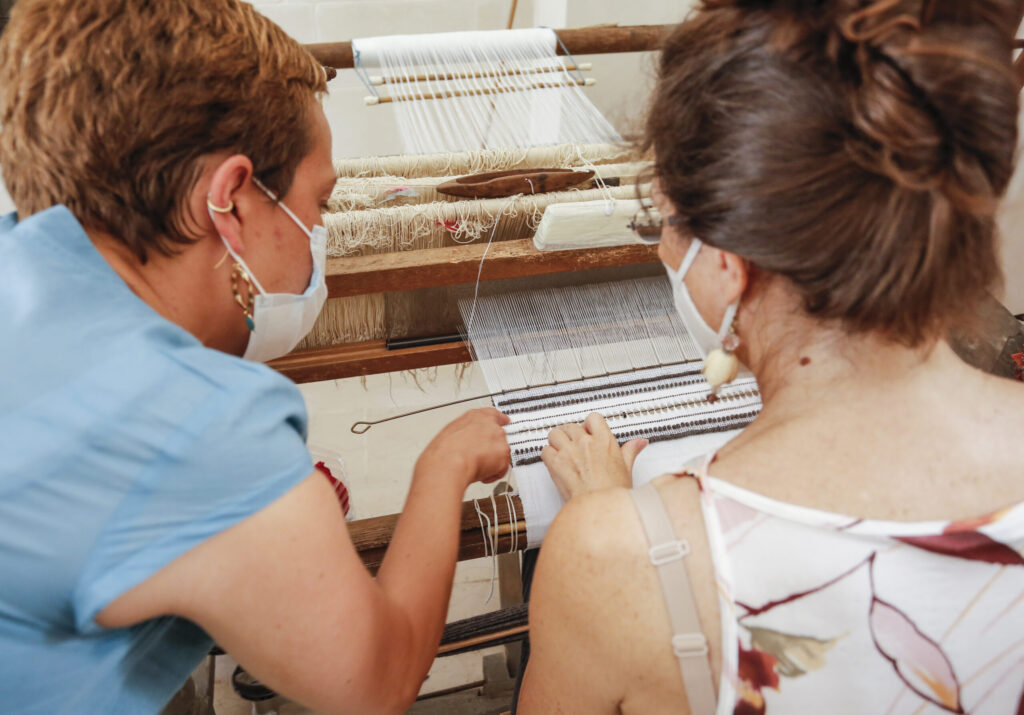
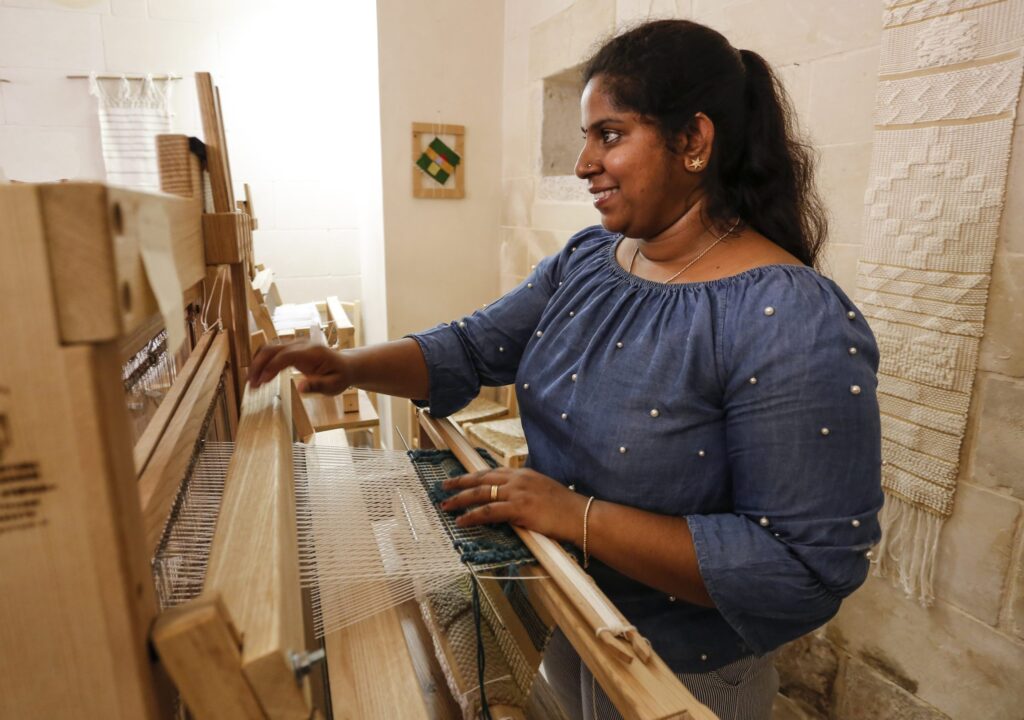
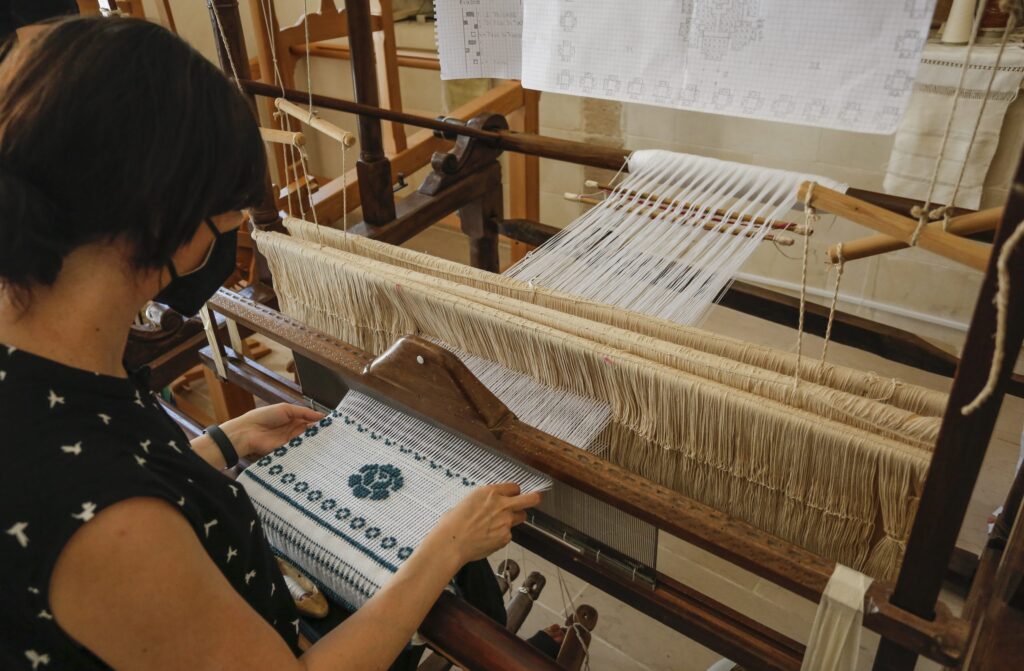
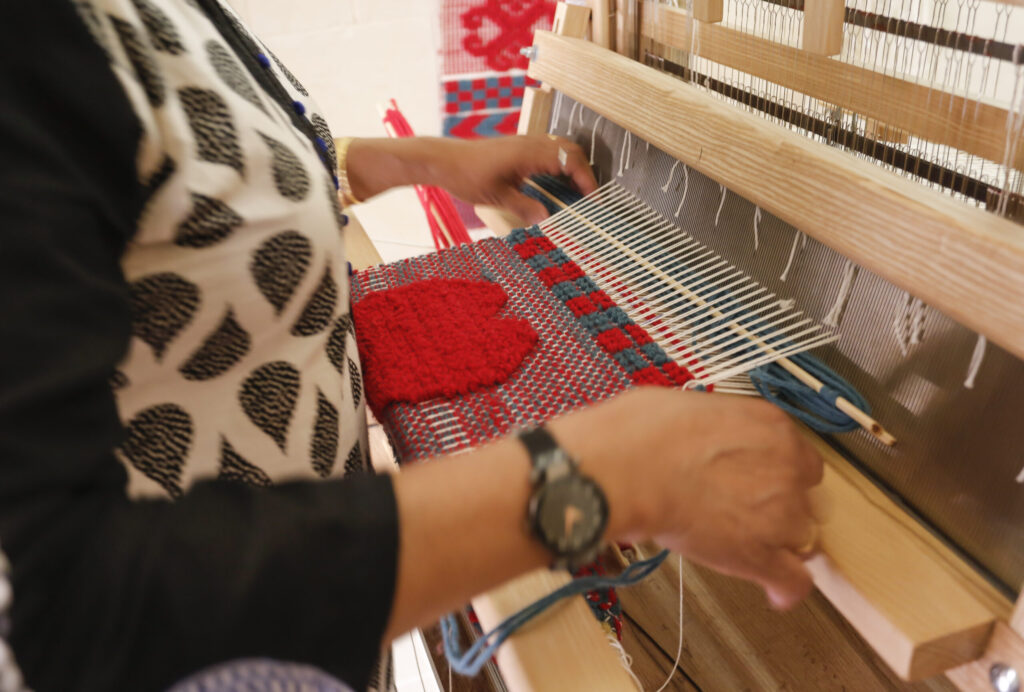
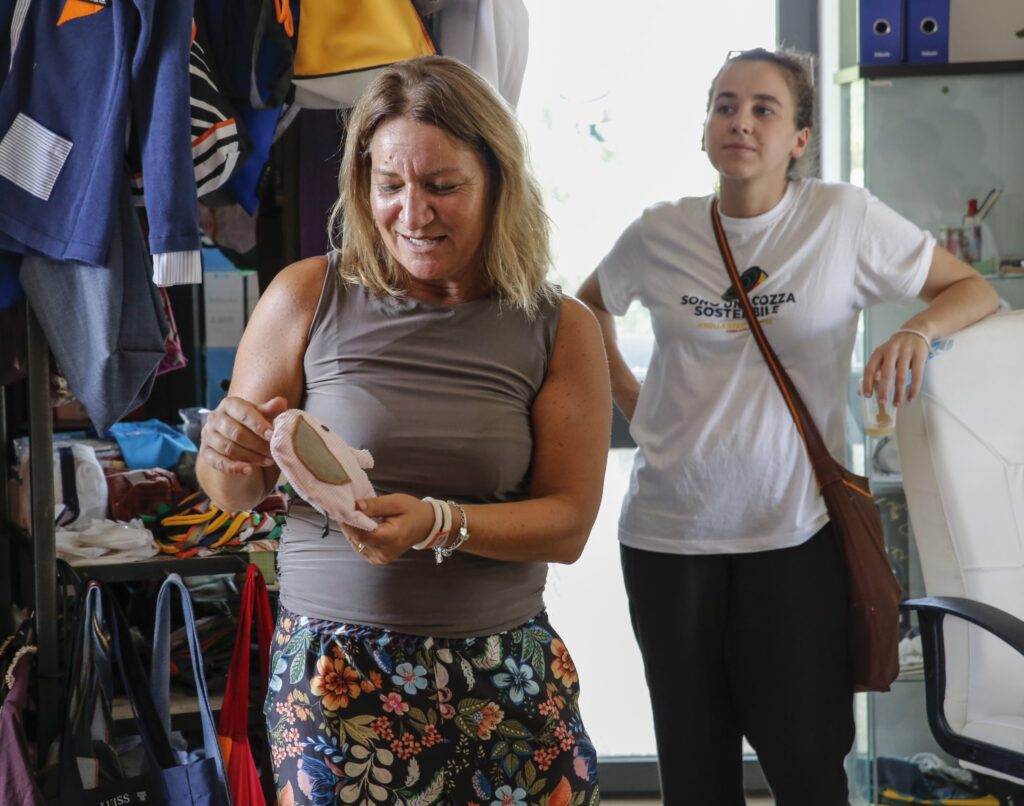
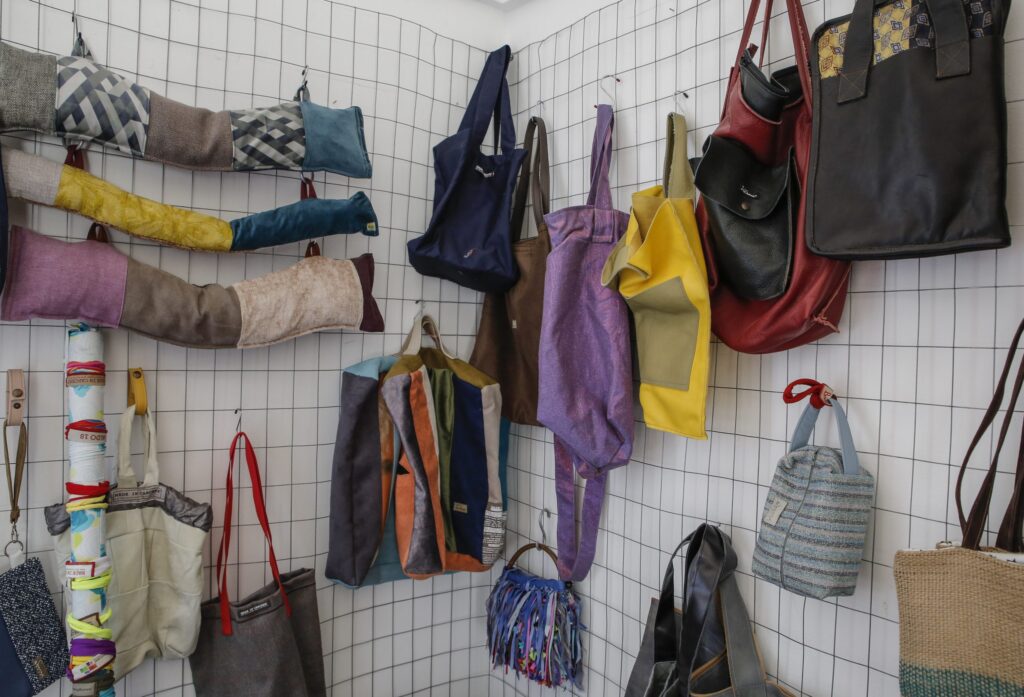
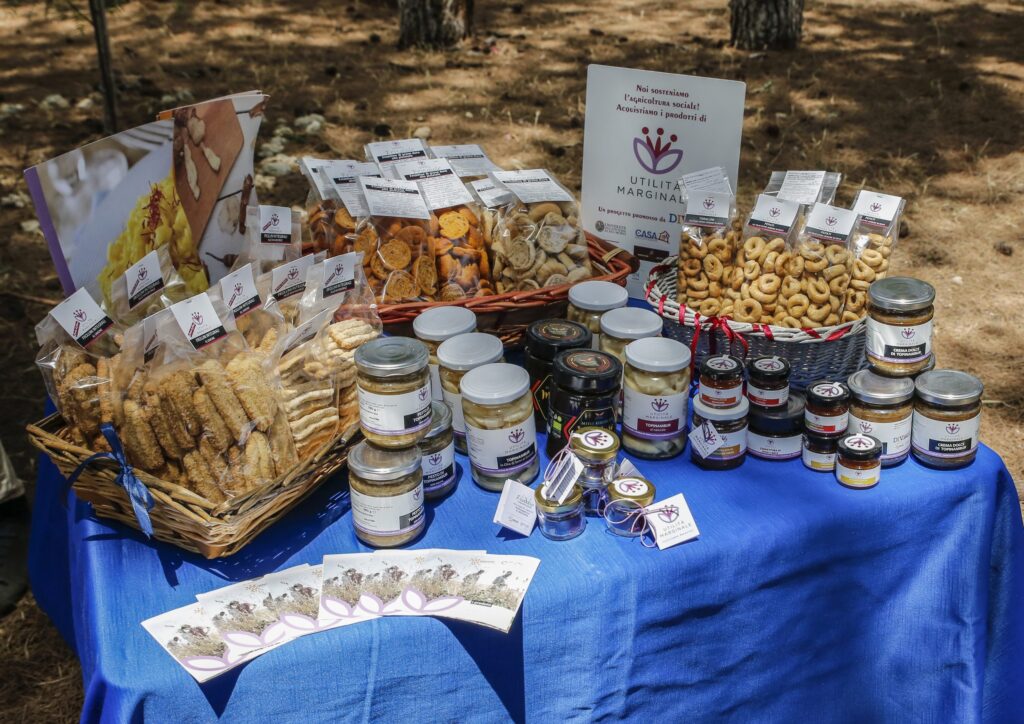
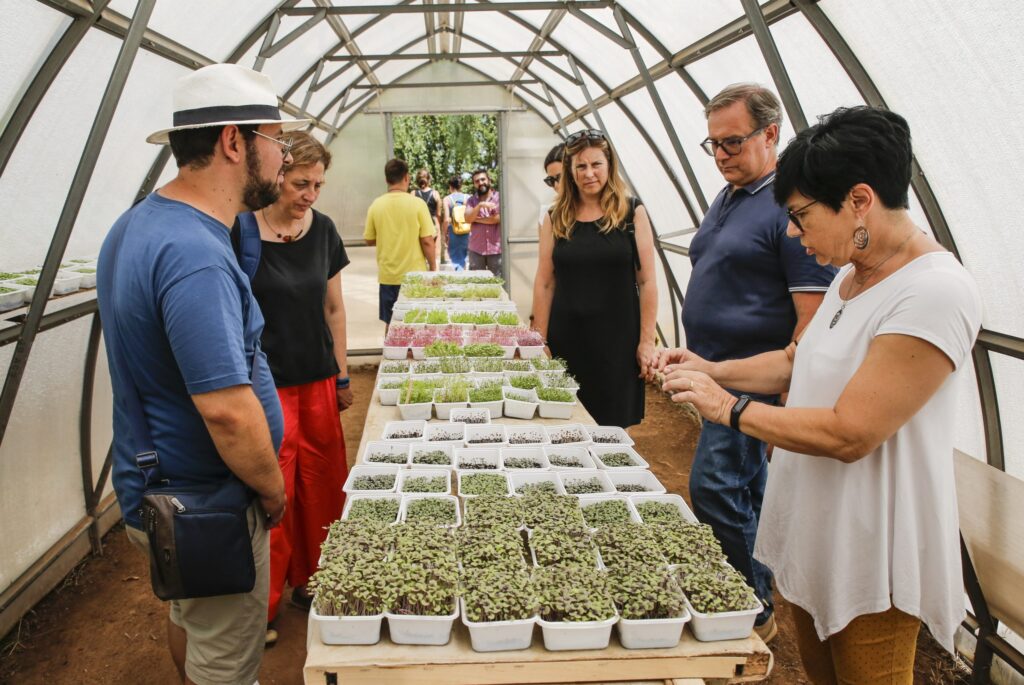
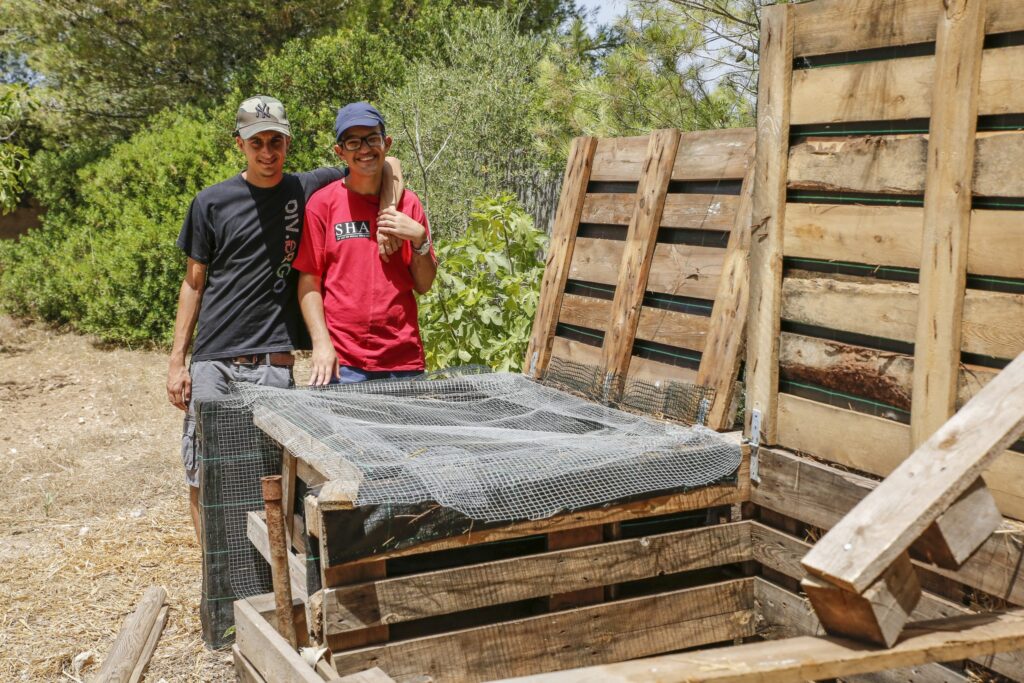
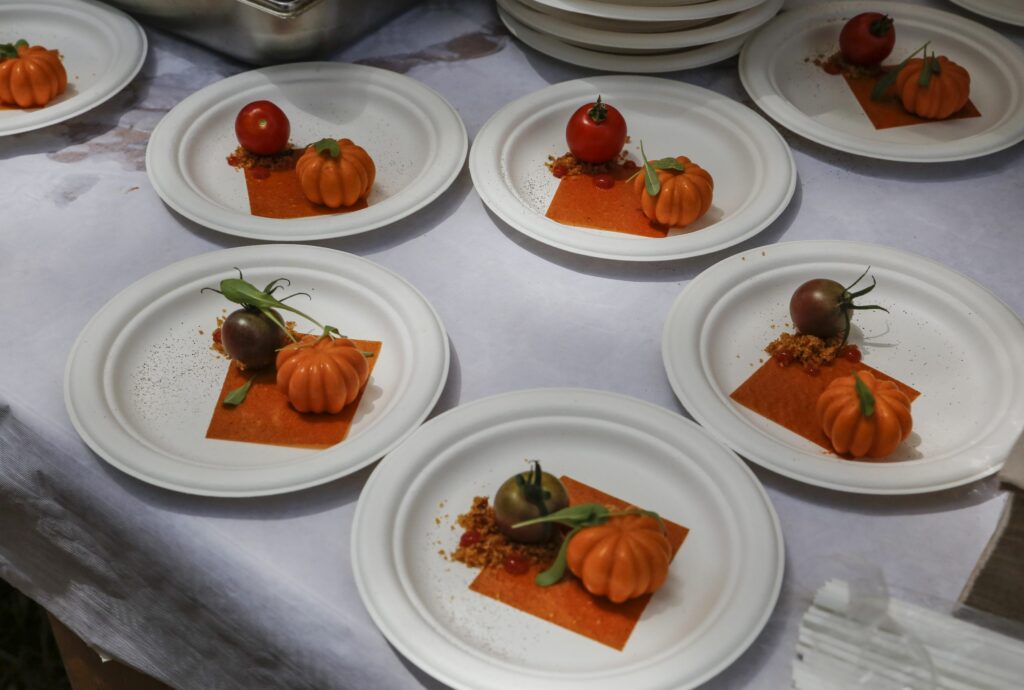
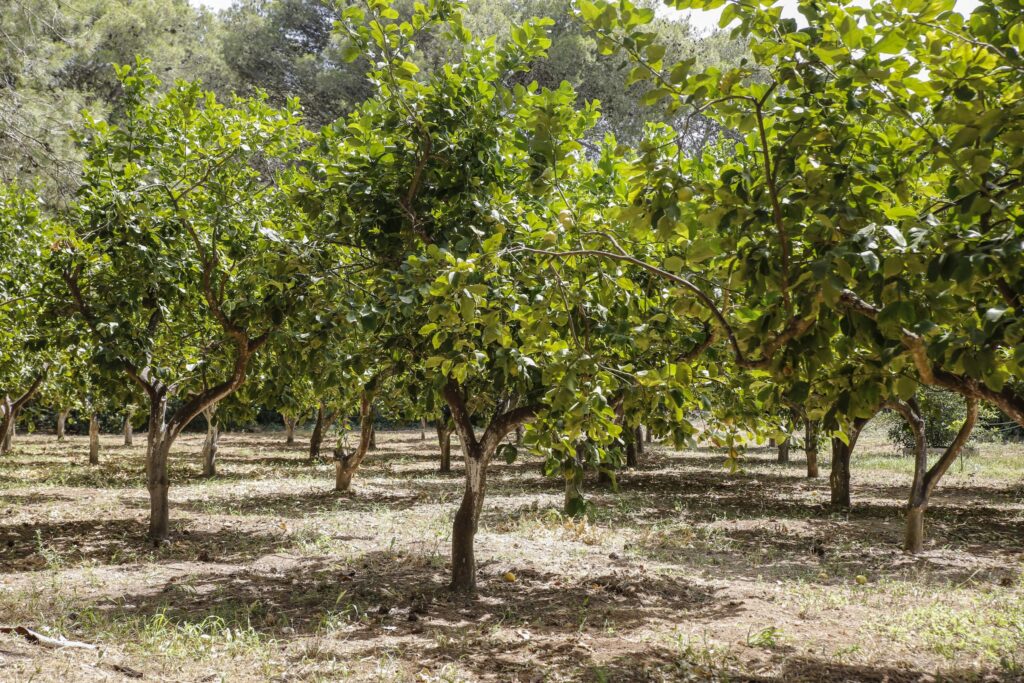
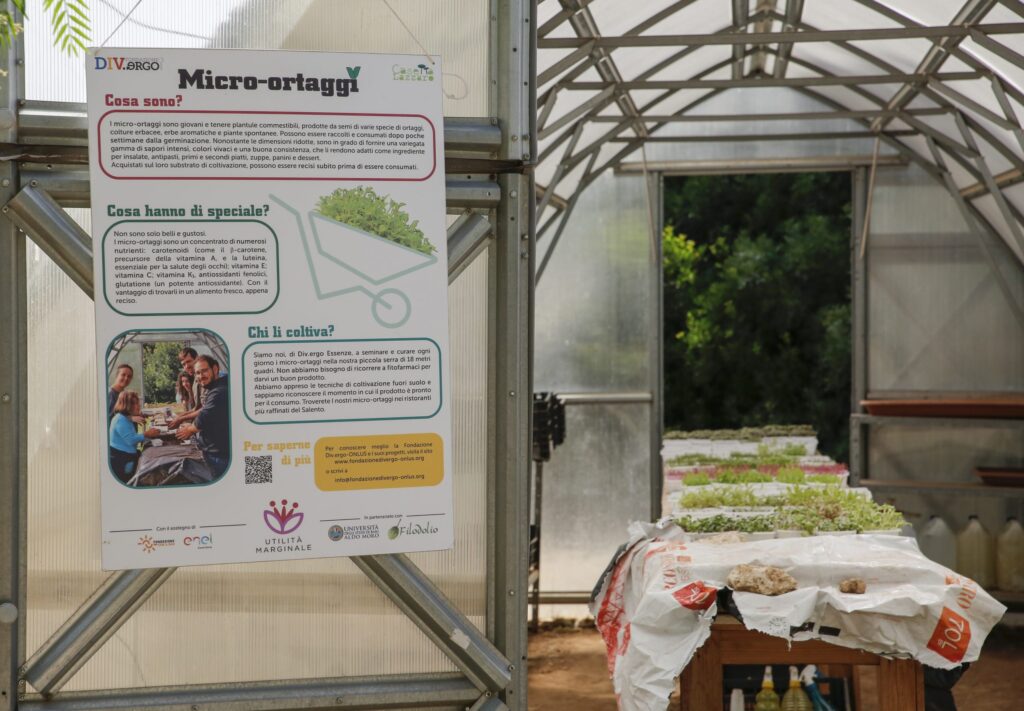
These include the TeDeSLab project, dedicated to preserving the traditional Lecce bobbin lace technique (fiocco leccese); Made in Carcere, a social brand producing textile goods made by women on the margins of society; Cime di Rapa, a venture which has turned traditional comfort food into a tool for training and social inclusion; Defriscu, a social gelato shop born from a desire for a fresh start; and ‘Utilità Marginale’, which, through the recovery and redevelopment of uncultivated land, has created job opportunities for people with psychosocial disabilities and built a community-based production network that also involves restaurant owners.