In Taranto, Europe’s First Sanctuary for Captive Dolphins

Location
Taranto

Partnerships
14

Resources mobilized
1.387.889,37 €
By Jacopo Francone (Age 20) The British explorer James Cook once noted: ‘Remember, the greater the opportunity, the fewer people see it.’ One can only wonder what he would have made of Ketos, the Euro-Mediterranean Centre for the Sea and Cetaceans, and the story we are about to tell you.
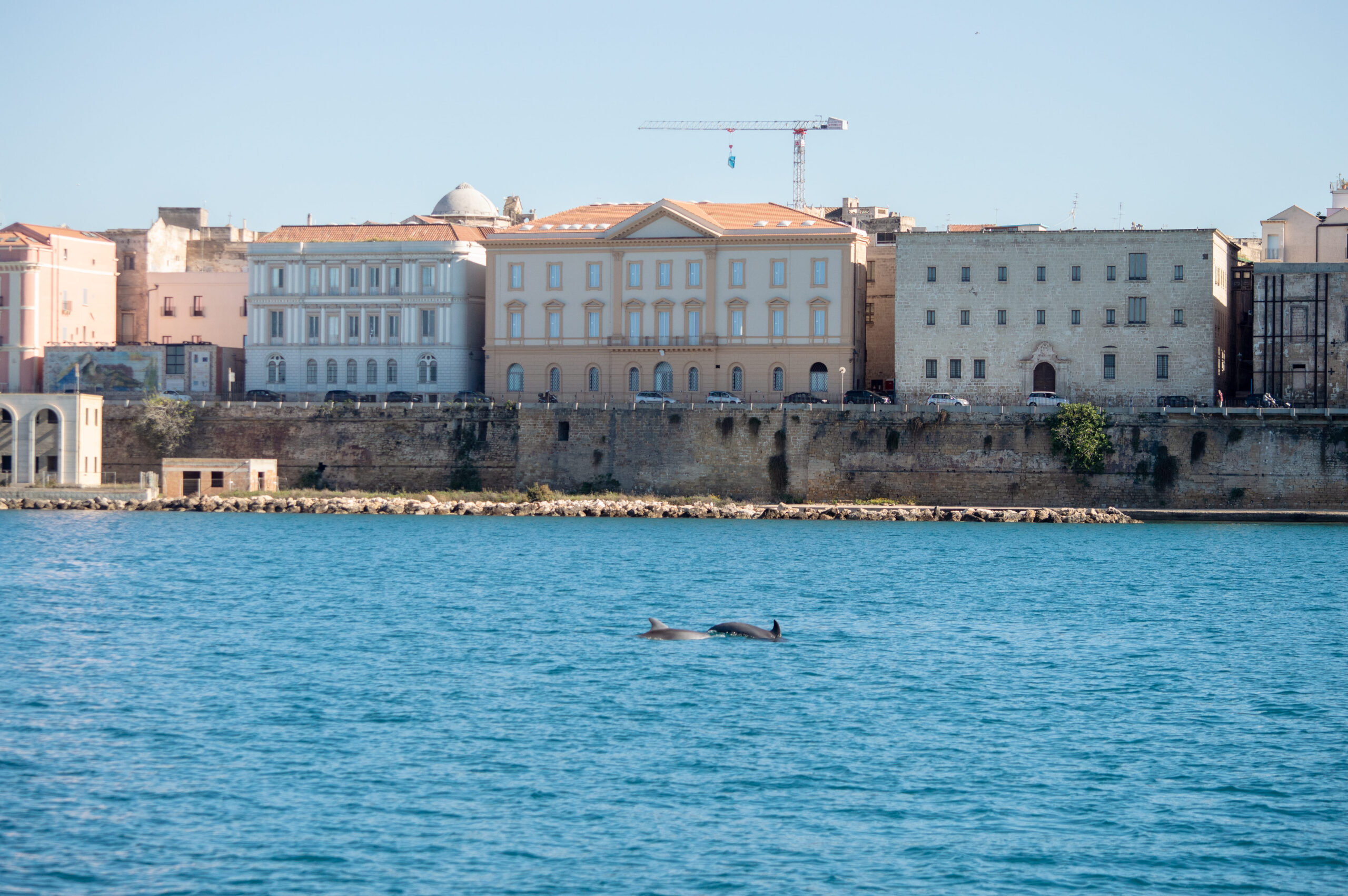
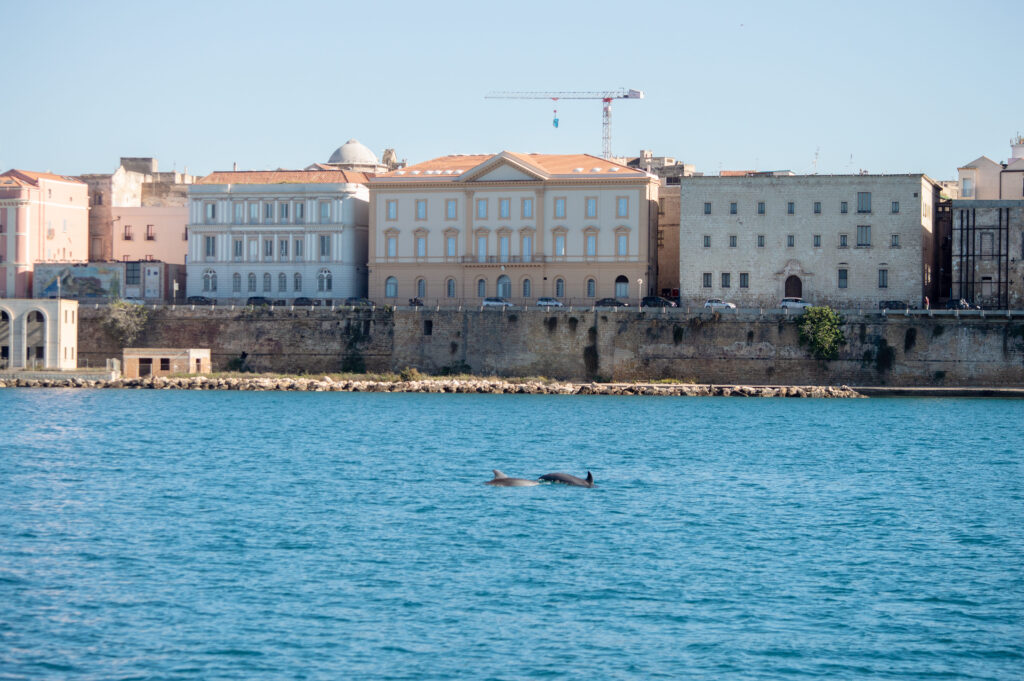
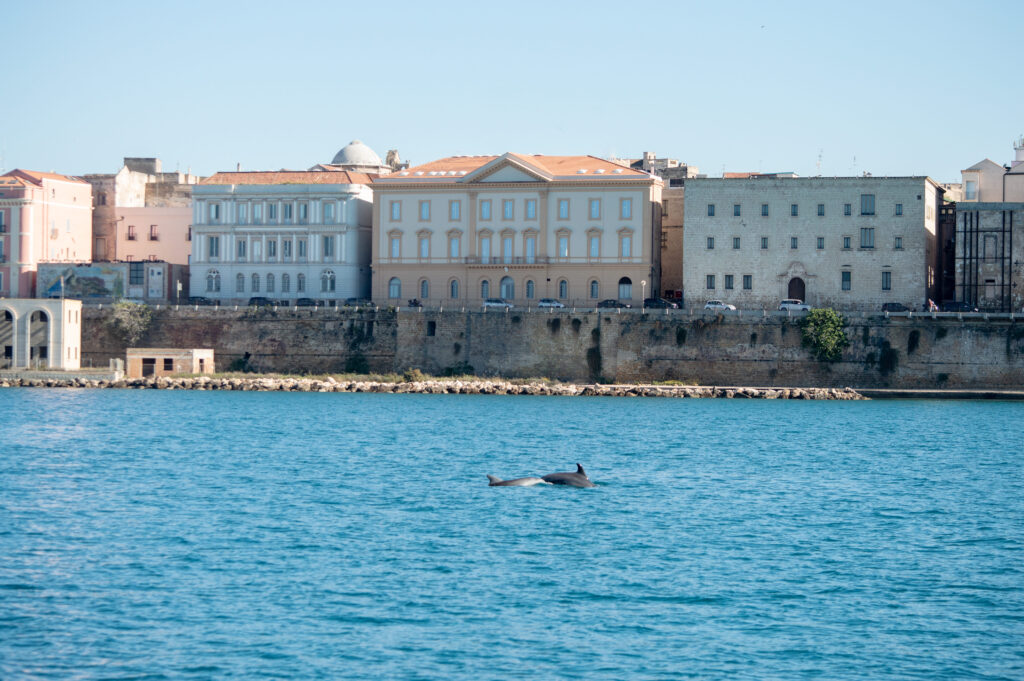
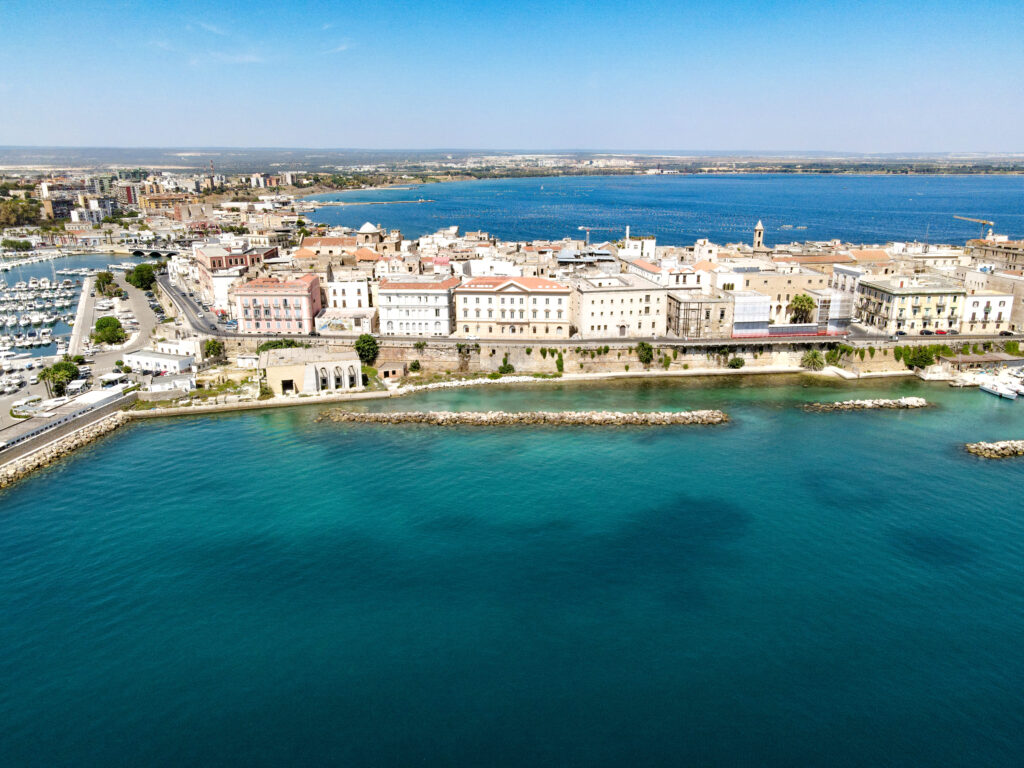
Like every remarkable story, this one, too, unfolds in an extraordinary setting. We are in Taranto, a coastal city at the heart of Puglia, its windows opening onto the Mar Grande and the Mar Piccolo.
The city is widely known for its heavy industrialization, which has been the subject of debate for years due to the environmental damage it has inflicted on surrounding ecosystems. At a certain point, however, the Ketos Centre reversed the paradigm and challenged the prevailing narrative surrounding this provincial capital.
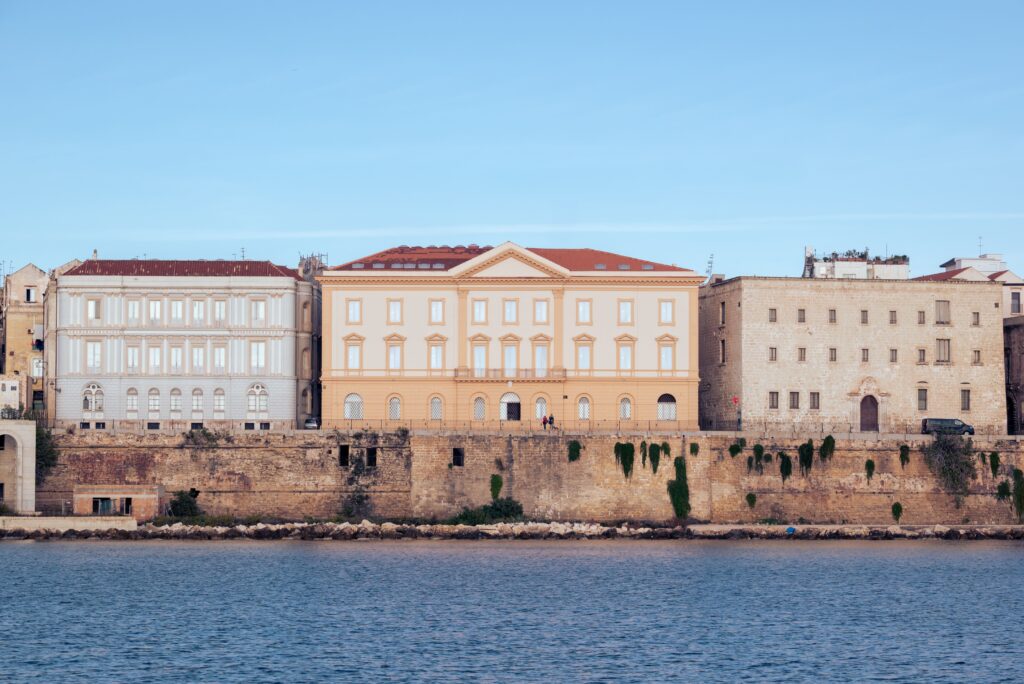
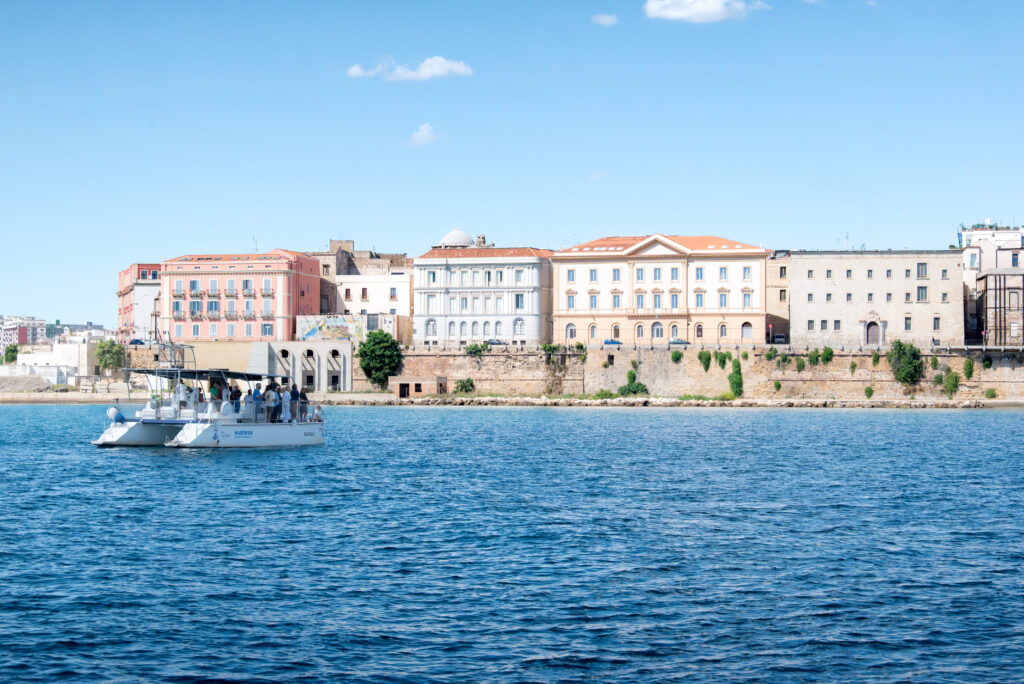
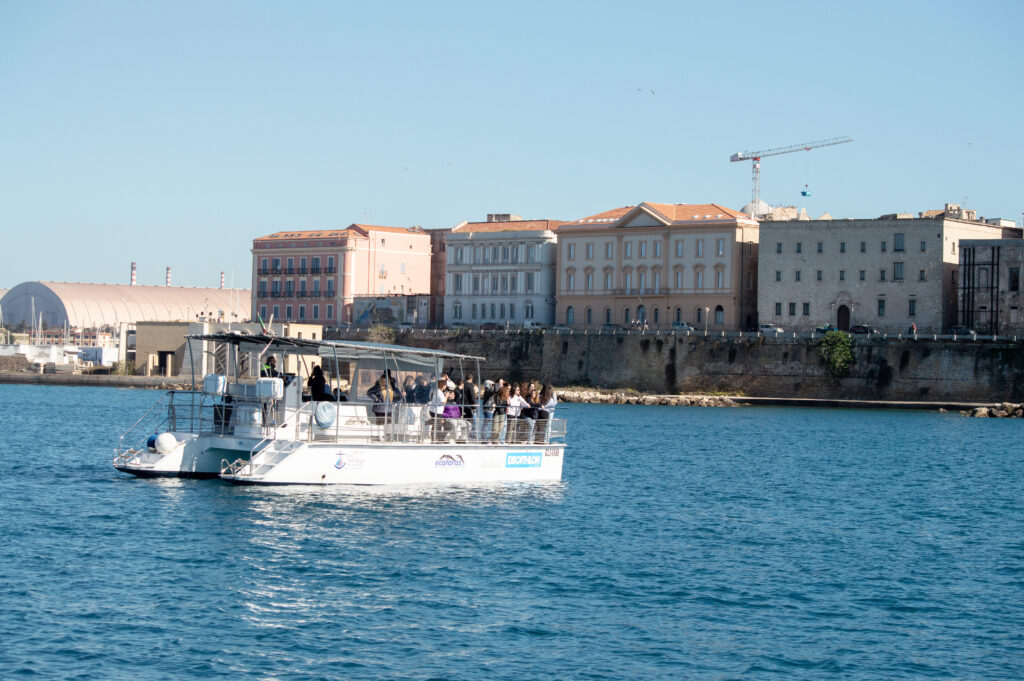
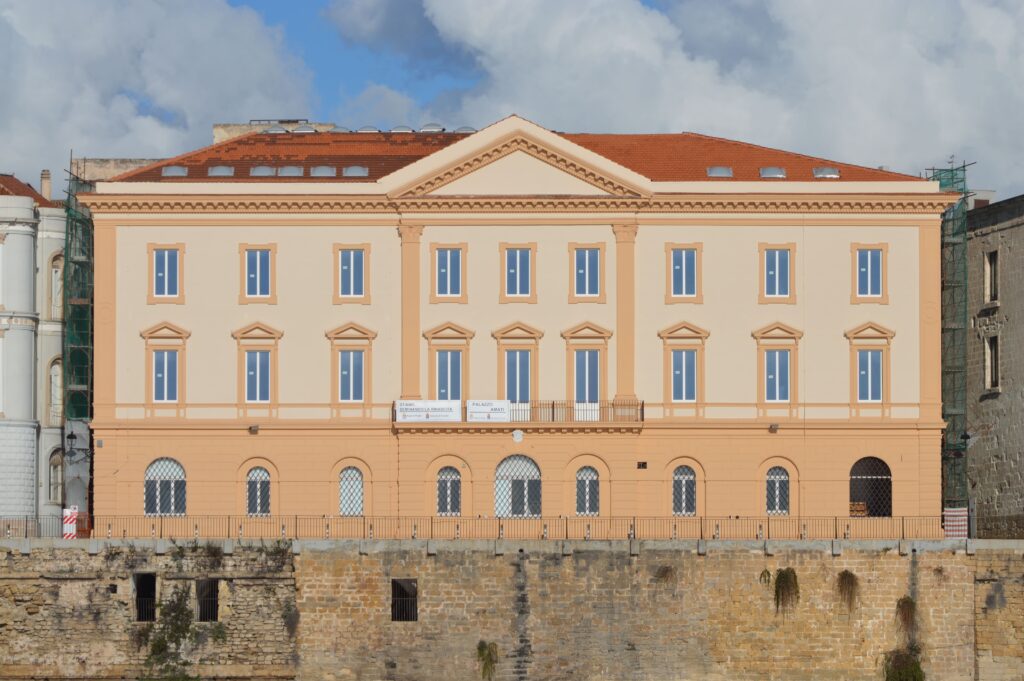
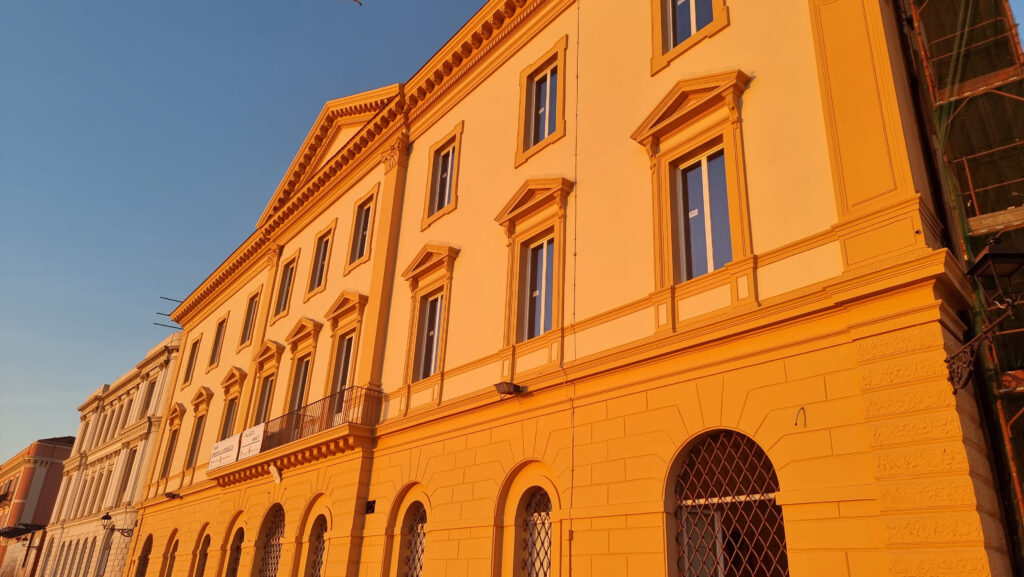
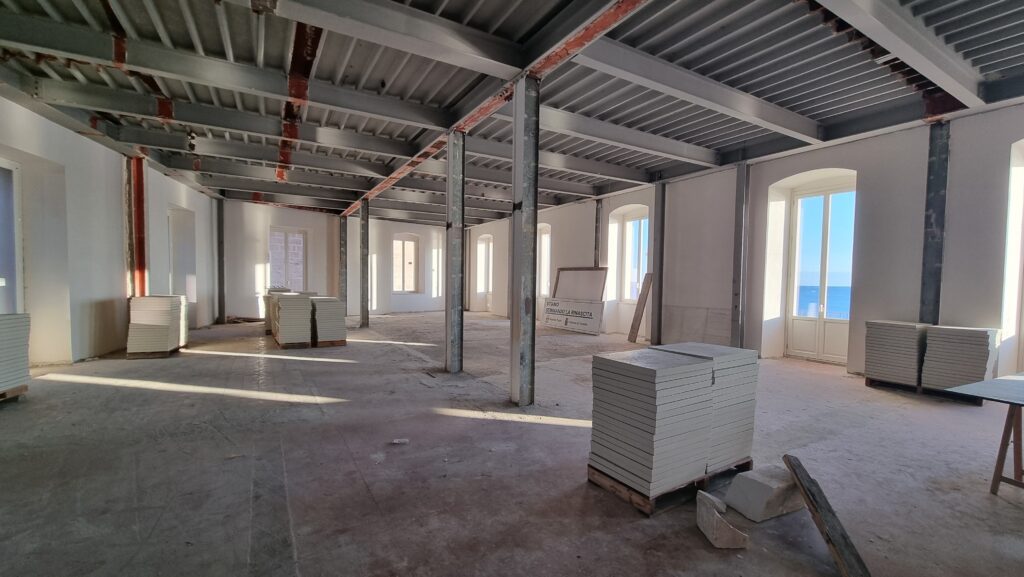
The journey began in 2015 with the restoration of Palazzo Amati, one of the most prestigious eighteenth-century buildings overlooking the sea in Taranto. The building, made available by the Municipality, was entrusted to the Jonian Dolphin Conservation, a non-profit organization active since 2009 in the study of cetaceans, through the call for proposals ‘Il bene torna comune’ (‘Public Assets Return to the Community’), promoted by Fondazione con il Sud to restore properties of historical, artistic, and cultural value owned by public or private entities. After major renovation efforts, the ground floor of the building now houses Ketos, the Euro-Mediterranean Centre for the Sea and Cetaceans, dedicated to understanding and protecting dolphins, striped dolphins, sperm whales, and Risso’s dolphins through training, education, scientific research, and environmental communication activities. Alongside educational museum services also designed for children (Ketos Kids), the Centre offers ‘citizen science’ programmes and group activities in the open sea aboard catamarans to locate specimens, record sounds, identify different species, and collect data. Also equipped with a 3D room for immersive experiences, the Centre is unique in the Italian context, drawing on the Jonian Dolphin Conservation’s distinctive expertise in cetacean research and in managing projects focused on ecosystems and marine biodiversity, with a particular focus on studying environmental impacts. In 2024, another important chapter of this story began to take shape. Through a joint call for proposals launched by Fondazione con il Sud and the City of Taranto, the Ketos Centre expanded by two new floors to carry out an ambitious project, the first of its kind in Europe: a natural sanctuary for cetaceans arriving from various European zoological facilities.
The San Paolo Dolphin Sanctuary is the result of a collaboration with an international team of experts. The sanctuary spans seven hectares off San Paolo Island, the smallest of the Cheradi archipelago, within large sea enclosures naturally bounded by floating platforms. The area is equipped with innovative monitoring technology, with information processed in real time to support operational decision-making and management of any critical situations. The Centre will also house a large maritime library, dedicated to books on the sea and marine life. Now, let us introduce you to some of the specimens housed in this remarkable setting, where smoke and industrial dust give way to an extraordinary example of wildlife protection. We begin with Etra, a sperm whale, the largest predator on Earth, who frequently returns to the Gulf of Taranto. Etra, a female of this species, died after colliding with a ship that severed her tail fin.
Her skeleton will be displayed at Ketos, and her story is now used to raise awareness about the relationship between human activity and the marine environment. Among the other specimens is Phoebe, a Cuvier’s beaked whale, a reclusive cetacean and champion free diver. This species was unknown in the Gulf of Taranto until one washed ashore in 2019.
She died of natural causes, and her skeleton was recovered and has already been prepared for museum display. Visitors to the Centre can admire it and discover her story. The Centre, however, is not simply a physical place: it also serves as a cultural hub aimed at advancing knowledge and promoting the value of the area’s resources. Ketos stands as a model of best practice, a reference point for the blue economy, and a symbol of regeneration in the historic old town of Taranto.
Impact area
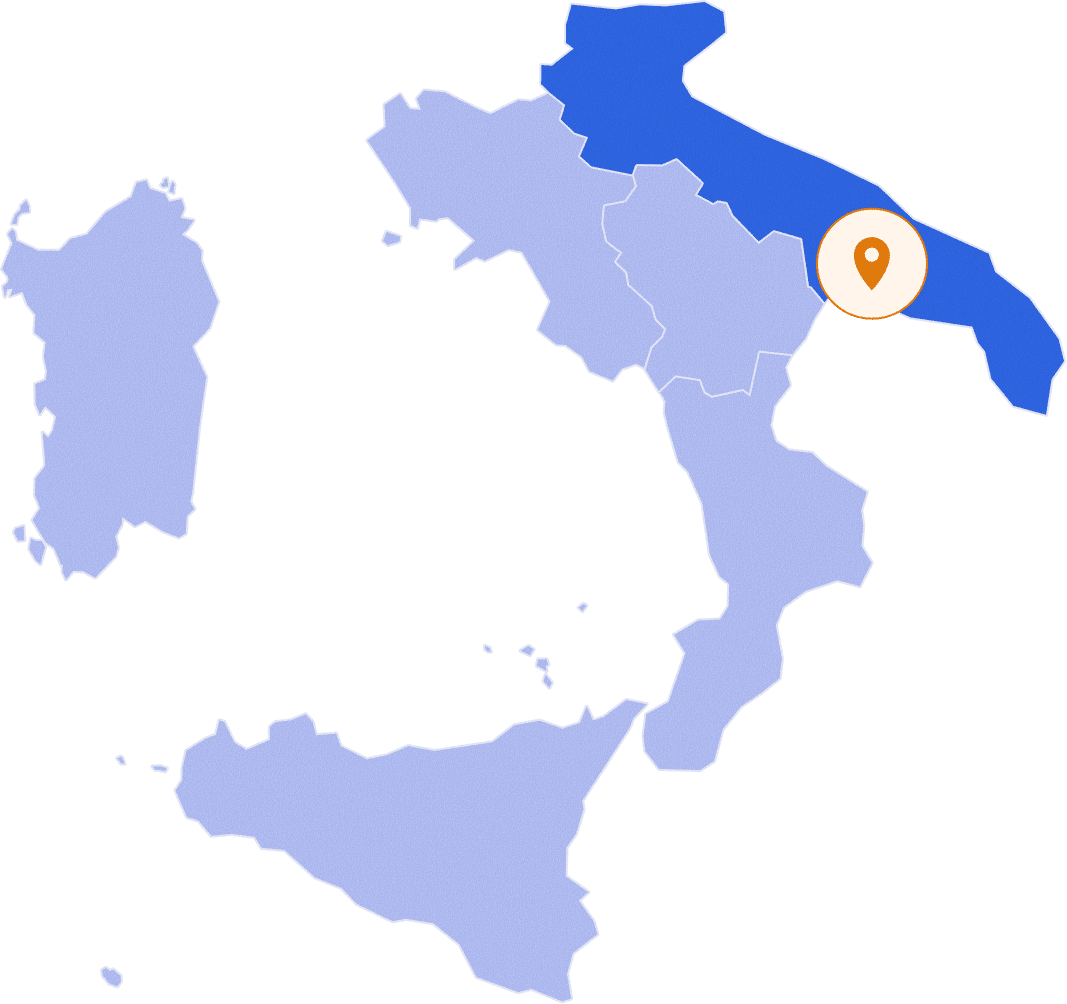
The initiative operates in the Taranto area, in a coastal region of significant environmental value and strategic importance for cetacean research in the Ionian Sea. The project contributes to unlocking the value of the natural heritage by promoting scientific research, environmental education, and public outreach. It raises public awareness, strengthens local expertise, and supports the development of sustainable practices, fostering a more positive relationship between local communities and the marine environment.
FUNDING
(total of the Foundation’s contributions)
Total project cost€ 1.387.889,37
Requested amount € 1.249.000,00
Co-financing€ 138.889,37
Watch the video
Gallery
Partners
- Associazione Amici dei Musei-OdV
- Associazione Centro Servizi Volontariato della provincia di Taranto - ETS
- Associazione culturale di volontariato Marco Motolese
- Associazione Distretto Produttivo Puglia Creativa
- Associazione Mangrovie
- Cooperativa Sociale LA VELA
- I.C. ``G. GALILEI``
- I.I.S.S. ``ARCHIMEDE``
- I.T.E. ``PITAGORA``
- Istituto di Ricerca sulle Acque SS di Taranto - CNR
- Libera Puglia
- Soc. Coop. C.R.E.S.T. a r.l.
- Ufficio di Servizio Sociale per i Minorenni - Taranto
- Università degli Studi di Bari ``Aldo Moro``