

By Gabriella Asta (Age 18)
Between postwar asbestos and the concrete of faded dreams, the barracks of Fondo Saccà and Fondo Fucile were never simply makeshift housing: they were an invisible boundary. An urban exile inherited from the 1908 earthquake, whispering the same verdict for generations: you do not belong here.
It was a life of pure survival, confined to cramped spaces where dignity remained a faded idea and the future a luxury reserved for others. And yet, behind those fragile walls, there were families, work, and dignity: decent people, reduced for far too long to a mere address.
Change did not happen overnight, nor did it arrive with the roar of bulldozers. It grew out of a pact of trust, built slowly in kitchens and along narrow streets, through face-to-face conversations.
By listening deeply to their needs and aspirations, 205 families were given back the simplest and most subversive word of all: choice. The Capacity Programme, launched by the Municipality of Messina jointly with the Fondazione di Comunità di Messina (Messina Community Foundation), dismantled traditional welfare models and put people in a position to choose their own path.
Around 600 people thus stopped being passive ‘beneficiaries’ and became active protagonists of their own lives. They were not simply given a home: they searched for one, chose one, and secured one in neighbourhoods across the city. Of these, 70 families, nearly 200 people, became homeowners. This was made possible through a one-time grant, subject to strict legal requirements, including no final convictions for mafia association prior to or for 10 years following the purchase.
It was not a favour, but an opportunity to live in the city as full citizens.
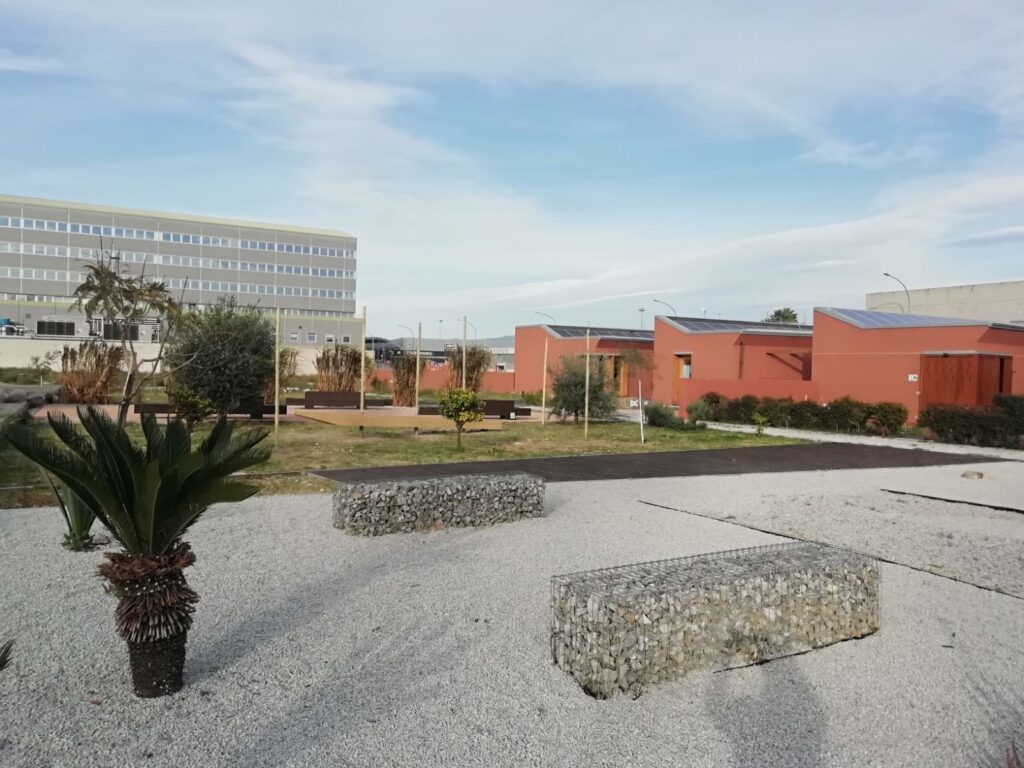
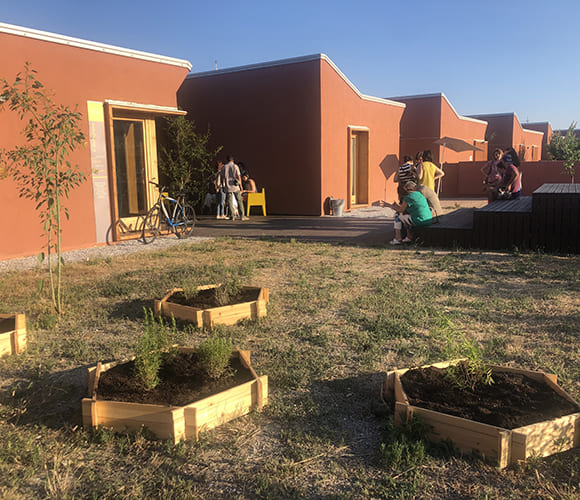
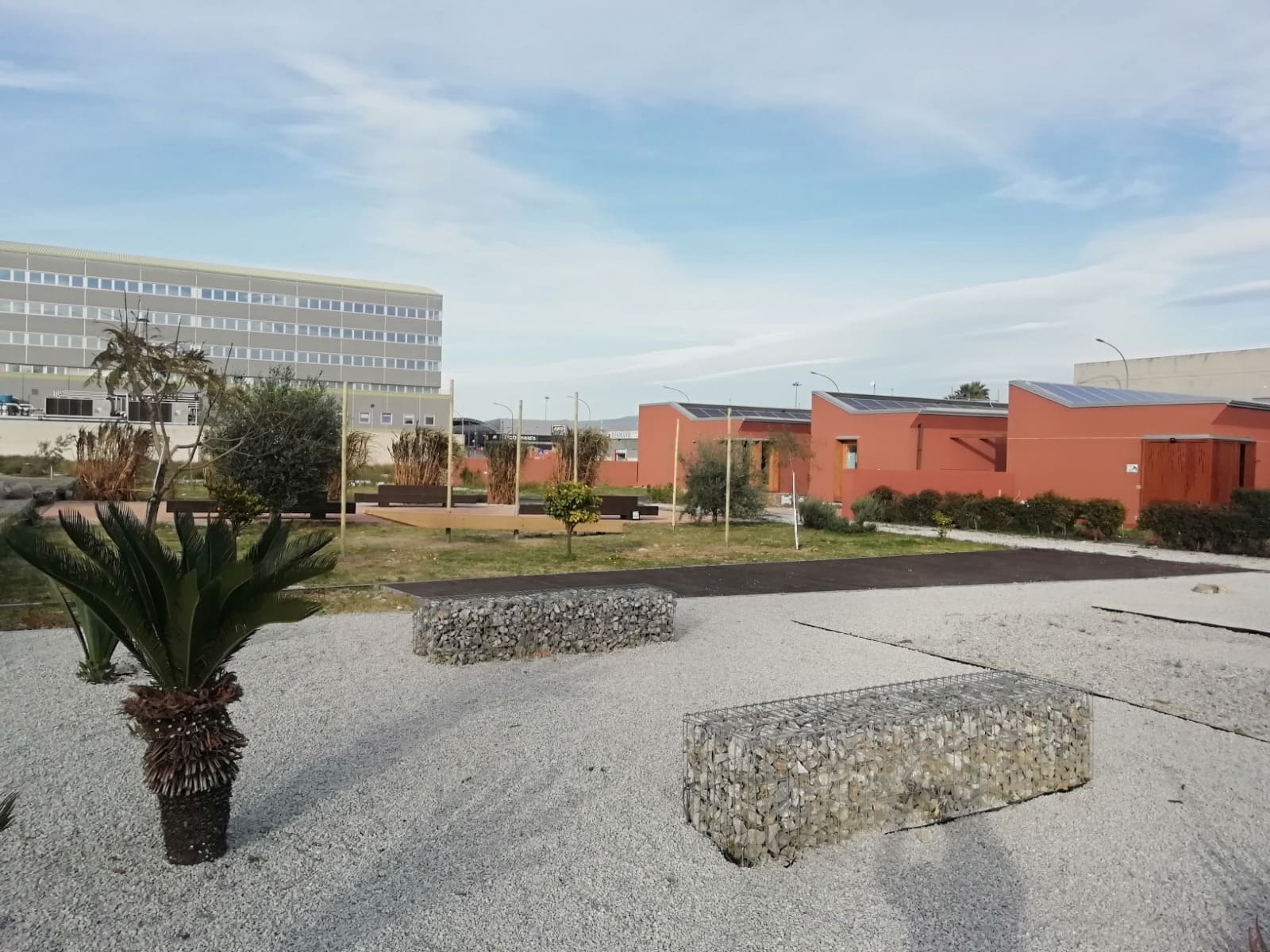
Because this was never just about relocating people, but about giving them back a possibility. About breaking a cycle that seemed already written. Today, in a part of Maregrosso that had already been cleared, change has taken visible shape. Where asbestos once made it hard to breathe, the Community Hub now stands, built using bioclimatic architecture with straw bale and wood, demonstrating that environmental sustainability can also be a form of social justice.
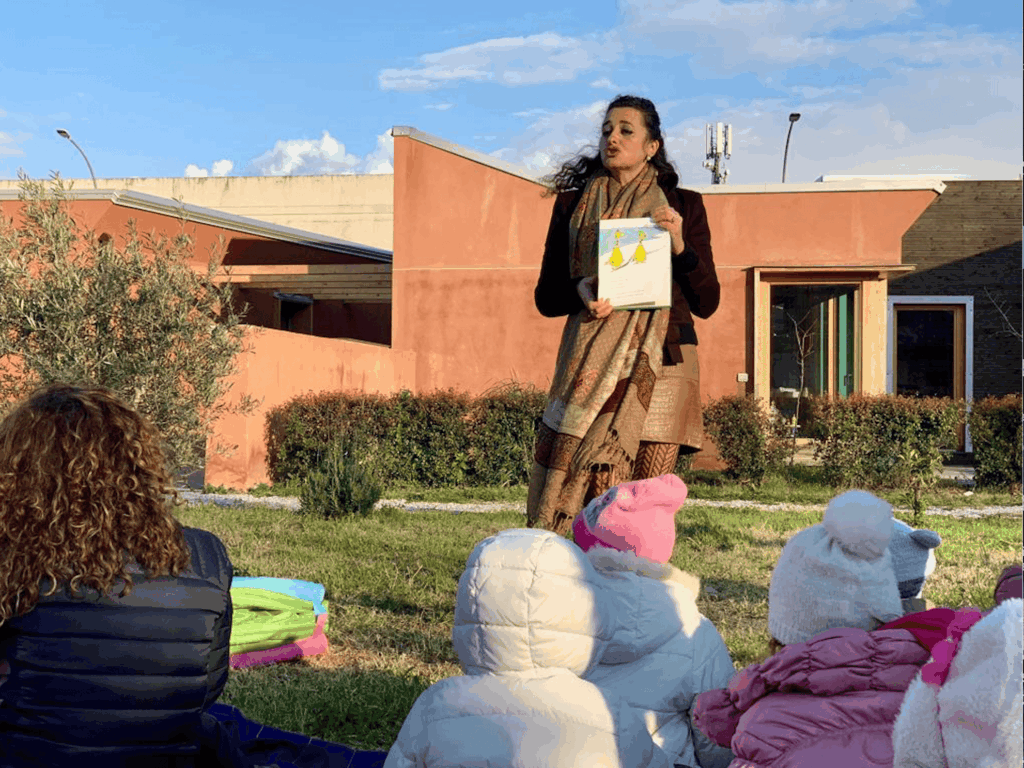
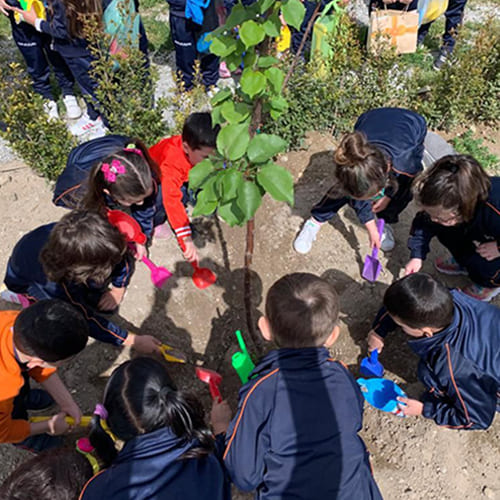
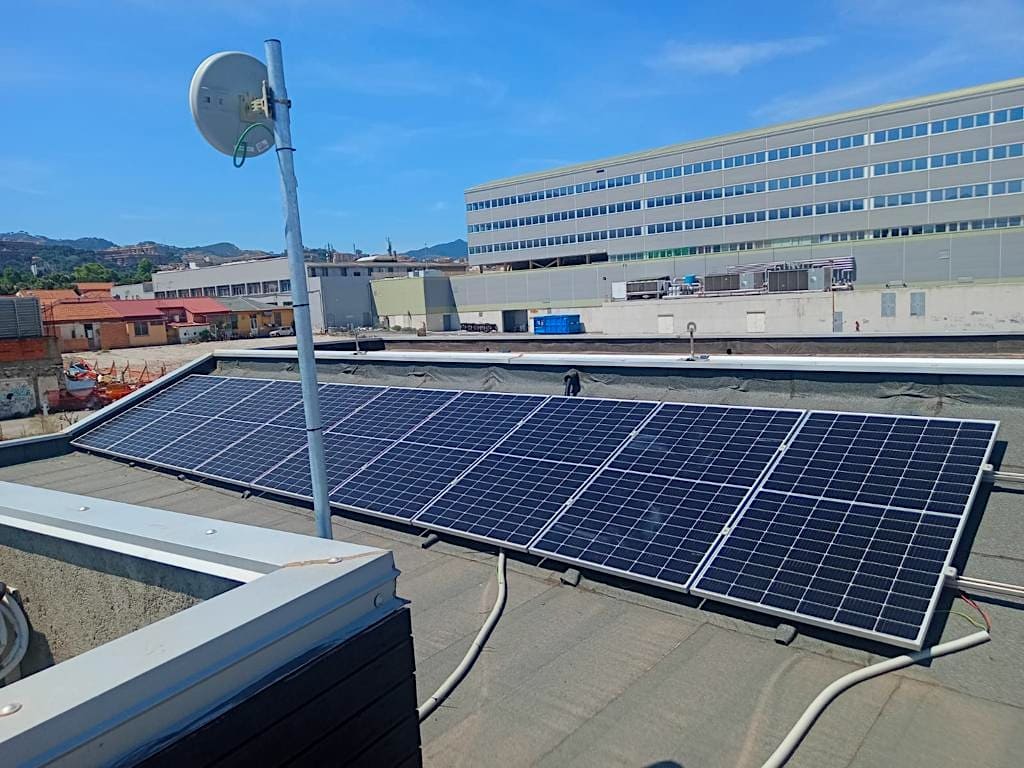
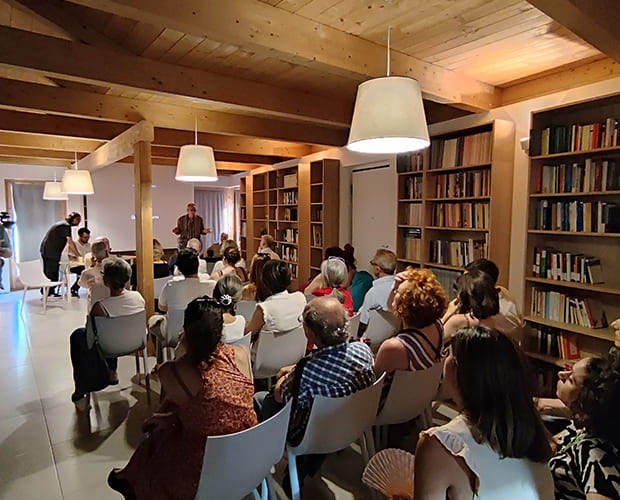
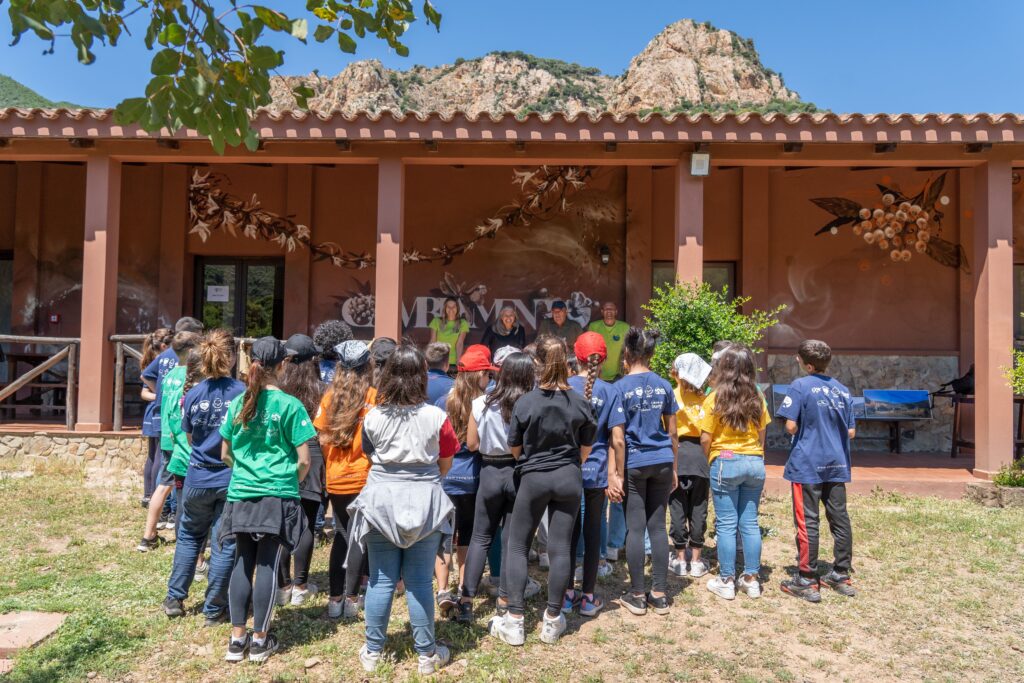
Here, sunlight is transformed into shared energy through a Solidarity Energy Community, turning a need into a right while helping to tackle energy poverty. One of the Hub’s key facilities is the Il Melograno Socio-Educational Centre, developed with support from Con i bambini (the Fund Against Educational Poverty in Children and Youth). The centre is a space open to all local children.
It is not simply a service: it is a place where local children meet, access new opportunities, and build their future together.
For those who remain, watching the barracks come down is not merely a demolition: it leaves a void that carries memory, but it is also a space that finally lets the future in. Maregrosso is proof that expertise, when combined with trust, can heal even the deepest and oldest wounds.
Giving someone a real home, one they have chosen rather than been forced to accept, is the first act of recognizing their humanity.
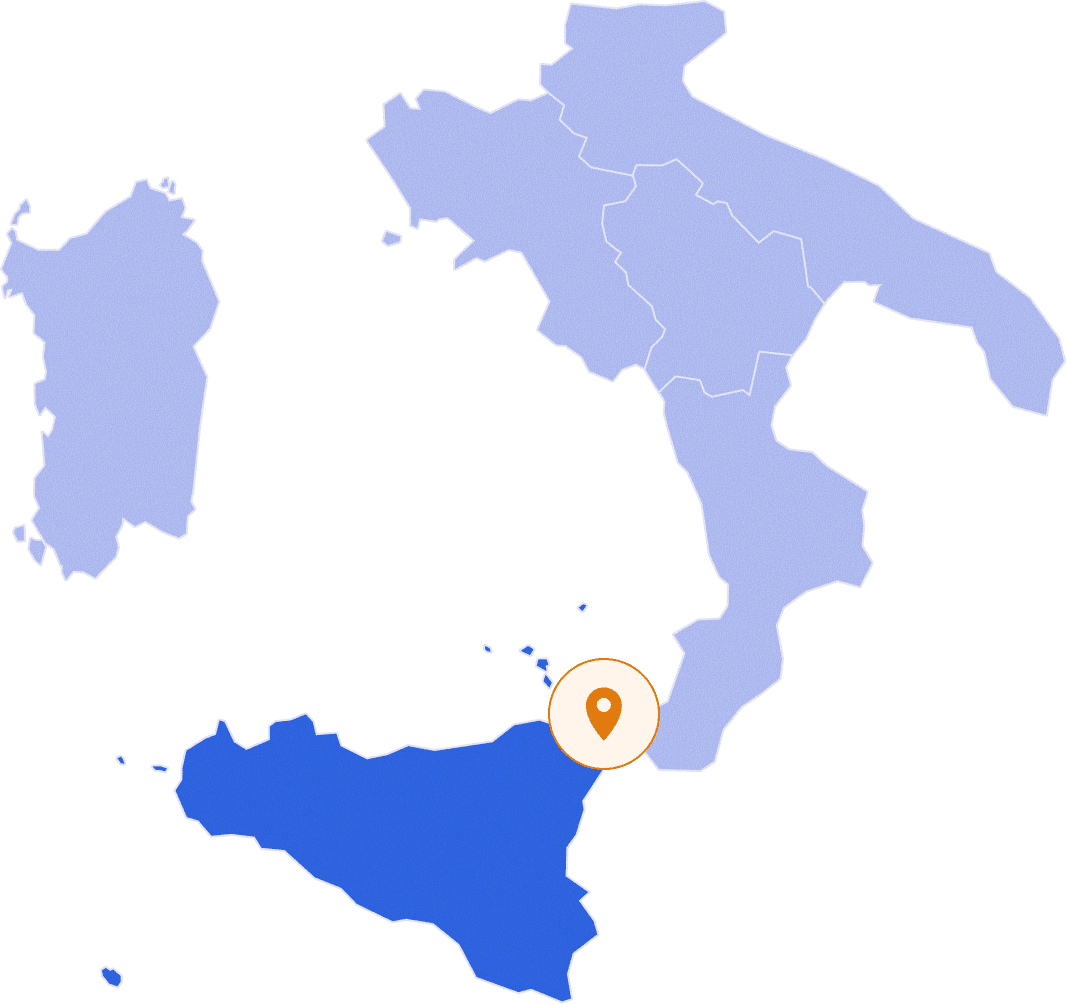
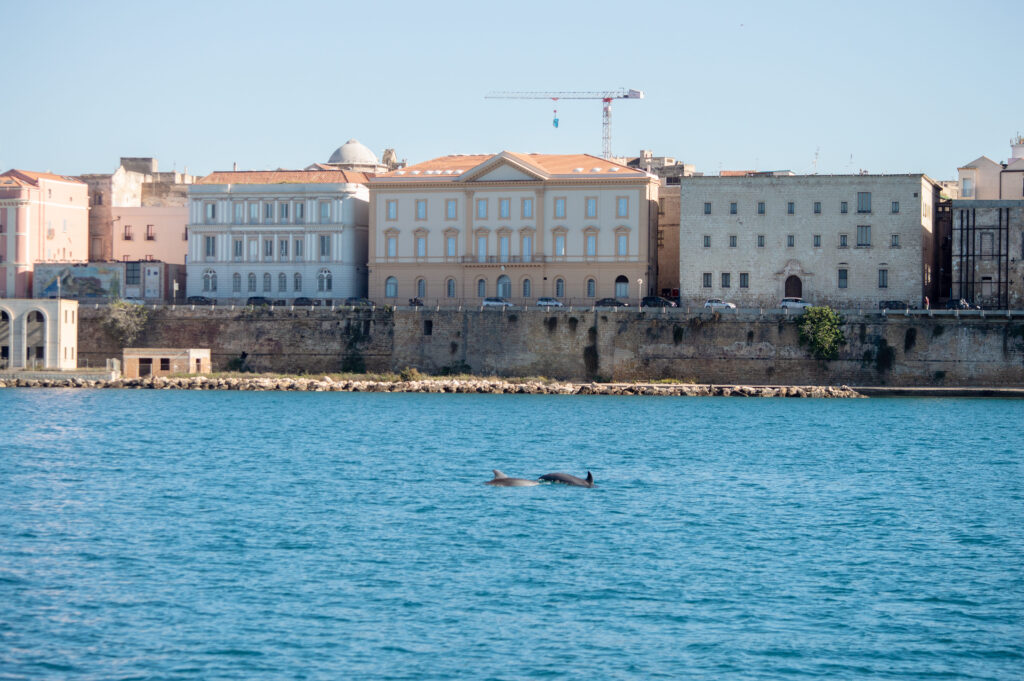
Messina is marked by stark wealth disparities and sharp divides between the city centre and its peripheral areas. Average per capita income in the urban centre is considerably higher than in the outlying neighbourhoods, particularly in the southern part of the city, which faces urban decay, social hardship, and severe housing problems. More than 2,000 families still live in the informal settlements that emerged after the 1908 earthquake and the Second World War, which have become a symbol of marginalization and segregation. Despite these challenges, the Messina area is also among the greenest in Italy and is home to a landscape of exceptional natural and cultural value. This combination of social vulnerability and environmental richness represents both a contradiction and a potential resource, one that, if properly harnessed, could become a lever for future development.