Rione Sanità in Naples: Where the Future Has Ancient Roots

Location
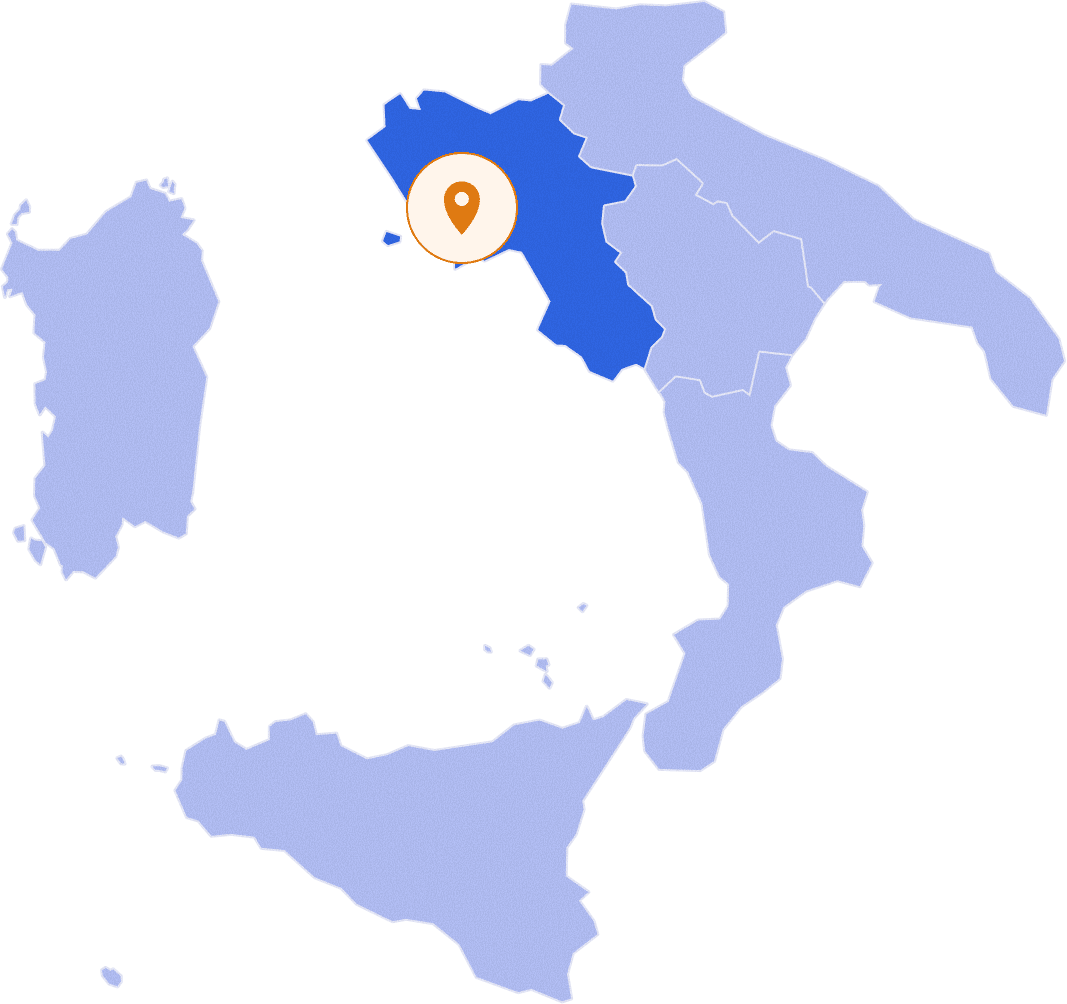
Naples

Resources mobilized
1.160.000 €
By Federica Porzio (Age 24) Few believed in the dream of those young residents of Rione Sanità (Sanità district in Naples) who, inspired by the visionary outlook of Father Antonio Loffredo upon his arrival in 2001, began to see their neighbourhood’s neglect not as an inevitable fate, but as an opportunity.
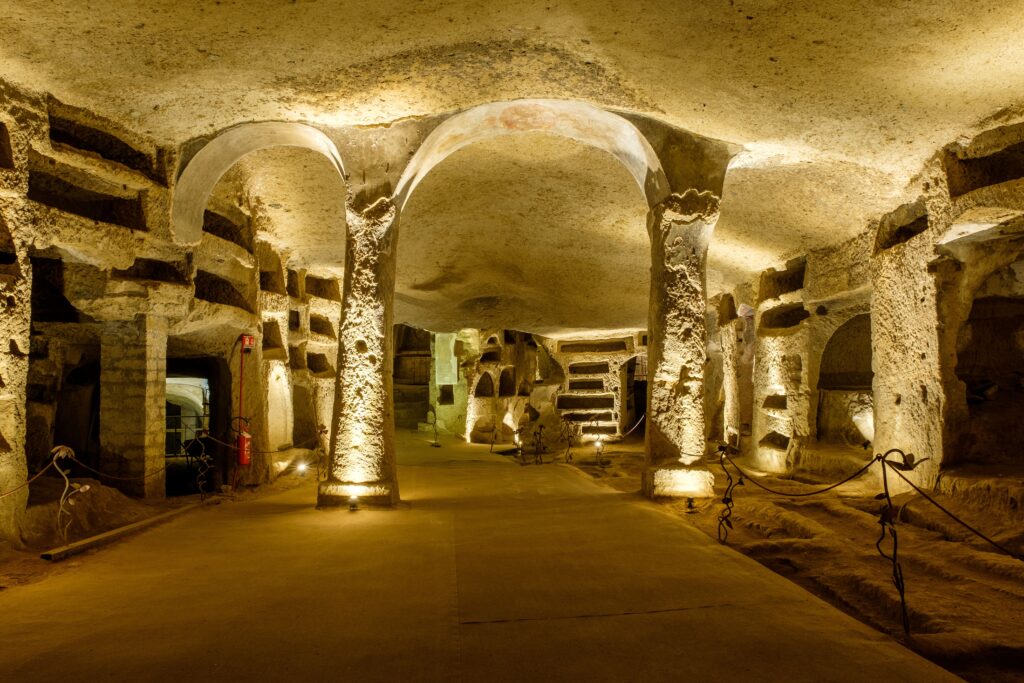
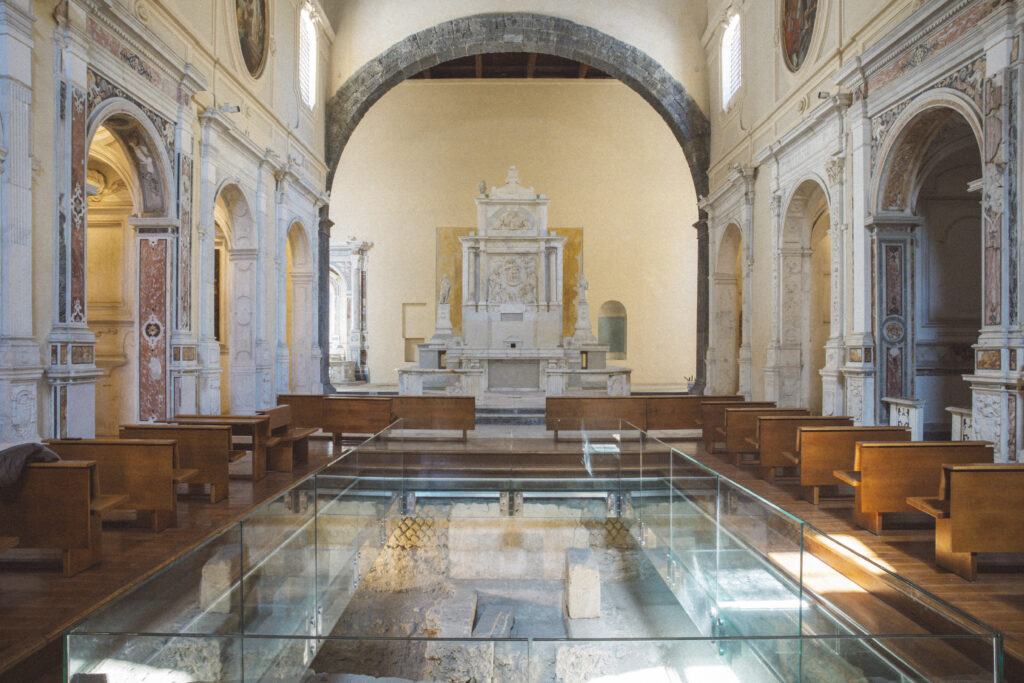
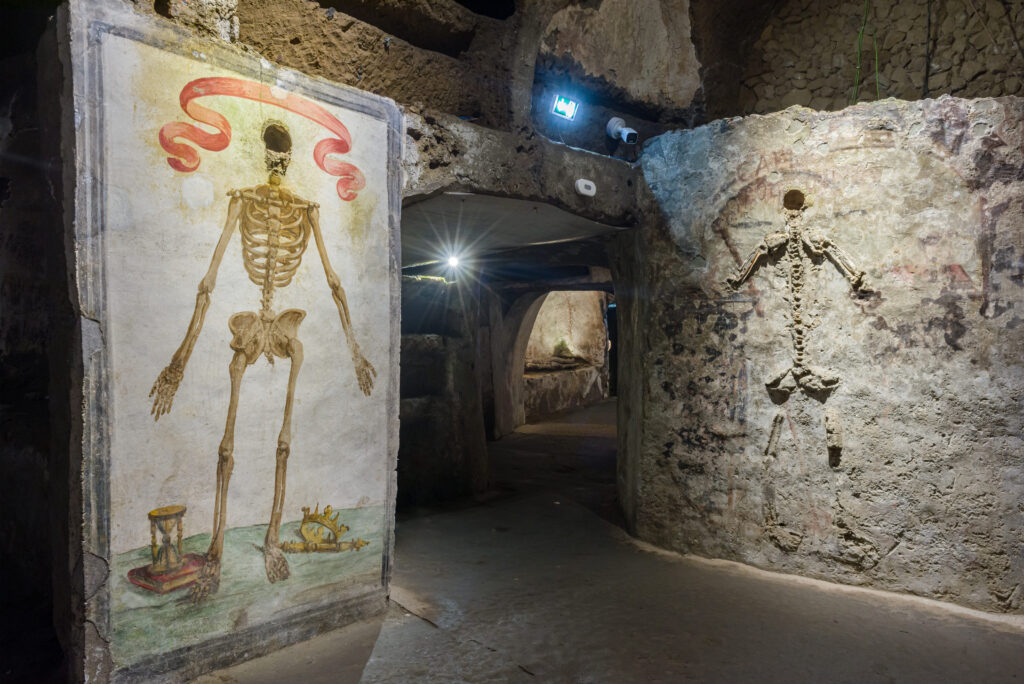
It seemed an impossible challenge in an area historically isolated from the rest of the city; yet, from that desire to stay rather than leave, the revolution began. Our story starts in 2006, with the founding of the cooperative and entrusting it with the management of the Catacombs of San Gaudioso, housed within the majestic Basilica of Santa Maria della Sanità.
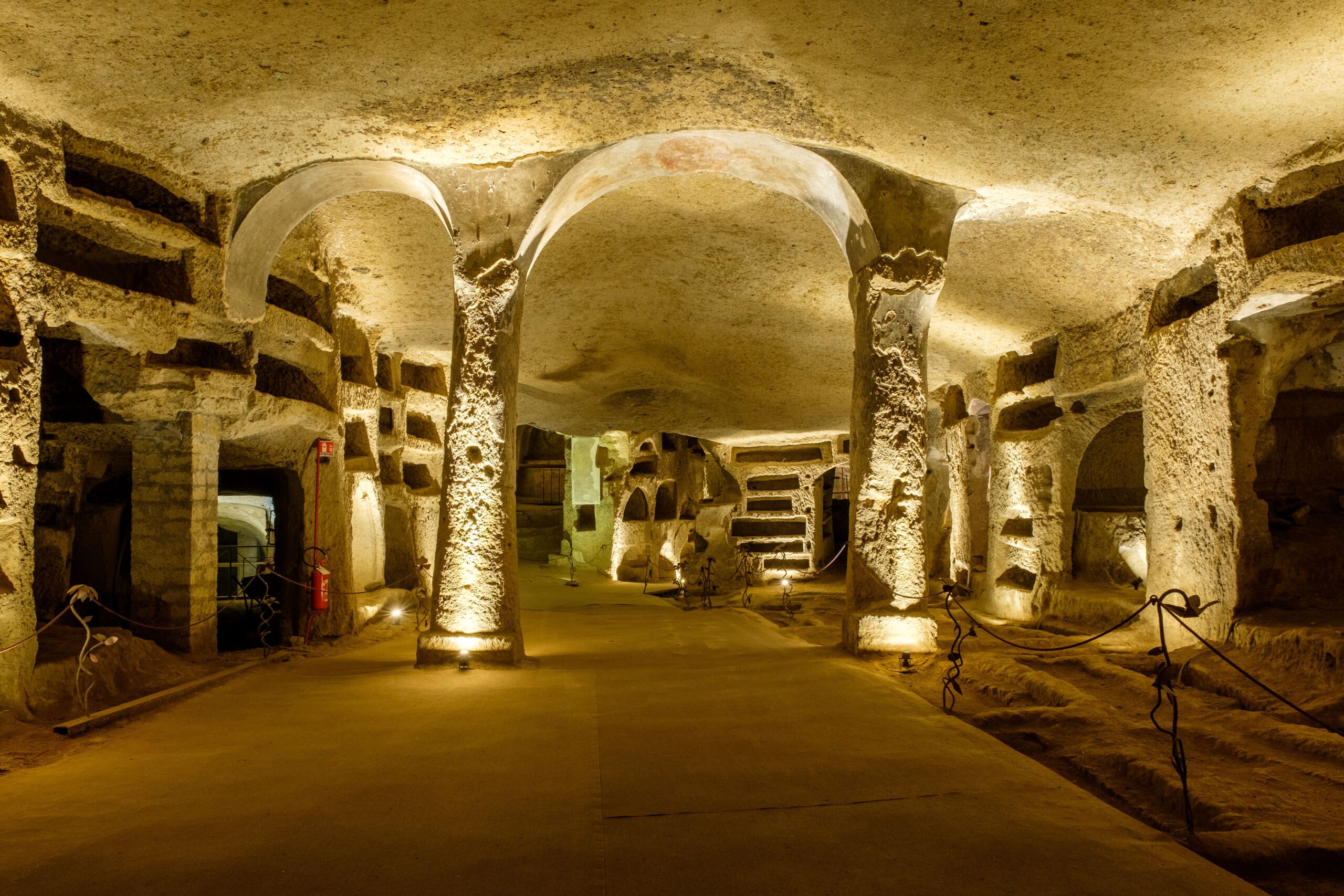
The decisive turning point came in 2008: the cooperative won a call for proposals worth roughly EUR 500,000, funded by Fondazione con il Sud through the project ‘San Gennaro Extra Moenia: A Gate from the Past to the Future’, aimed at restoring and reopening to the public the Basilica of San Gennaro Extra Moenia and its adjacent catacombs, which had remained closed for more than forty years. That vote of confidence became concrete action in 2009, when the Archdiocese of Naples officially entrusted the cooperative with managing the site. From that moment on, the project transformed these spaces into a source of new life for the entire community.
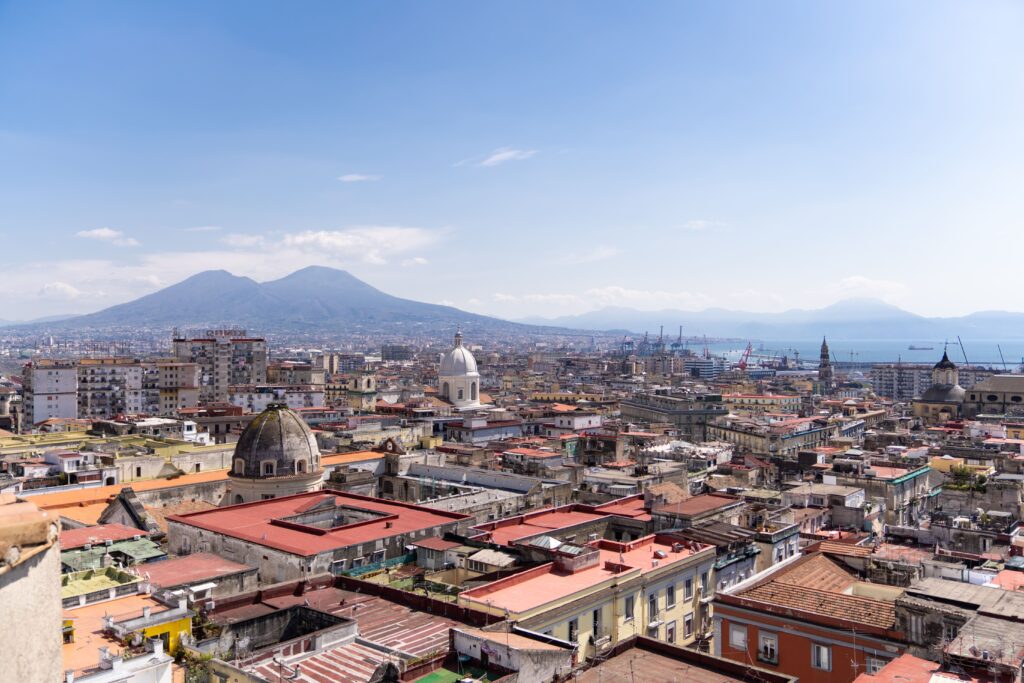
What was once considered a ghetto is today one of the most beloved tourist destinations in the world, proof that cultural heritage is, above all, a tool for taking care of people.
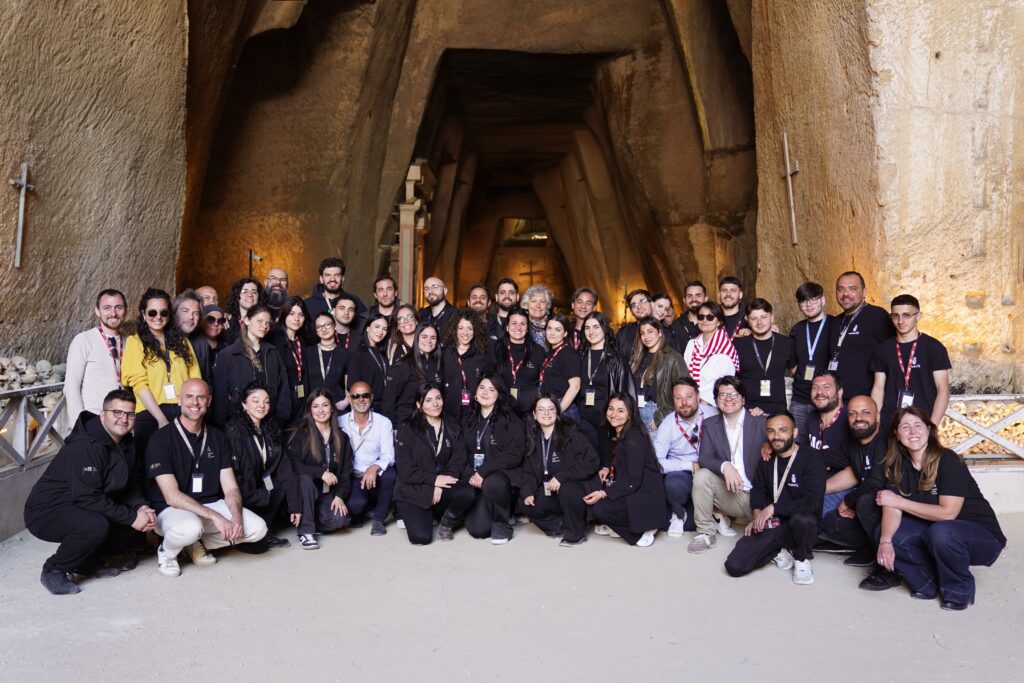
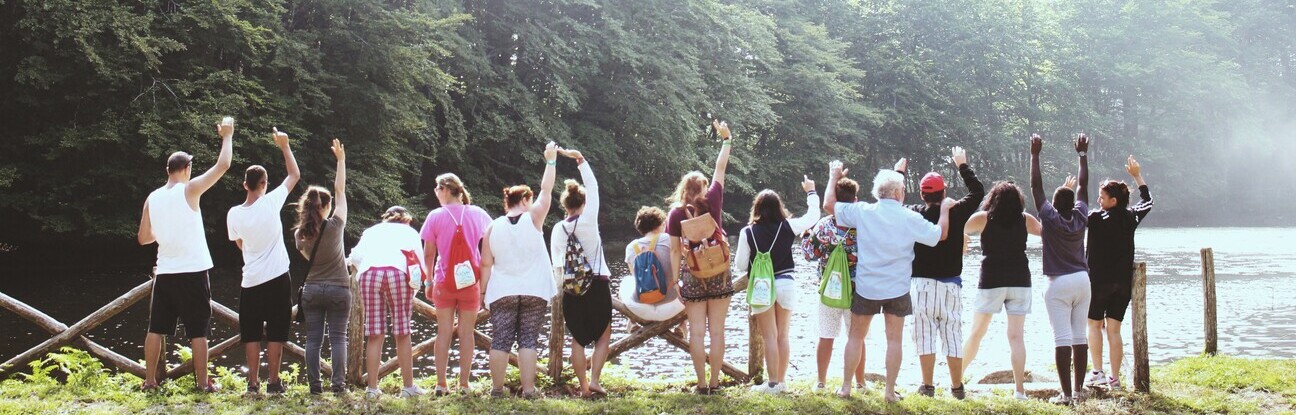
Today, this generative system counts around seventy people: young people who, through education, have become expert guides and custodians of a thousand-year-old history, supported since 2014 by the Fondazione di Comunità San Gennaro, which brings together private donors and more than 30 non-profit organizations.
At the same time, the project’s commitment to the neighbourhood has grown through Progetto LUCE, in partnership with Intesa Sanpaolo, Fondazione con il Sud, and the Fondazione di Comunità San Gennaro. The Church of Santa Maria Maddalena ai Cristallini has become a hub for artistic workshops, using art as a force for empowerment and renewed opportunity for vulnerable youth.
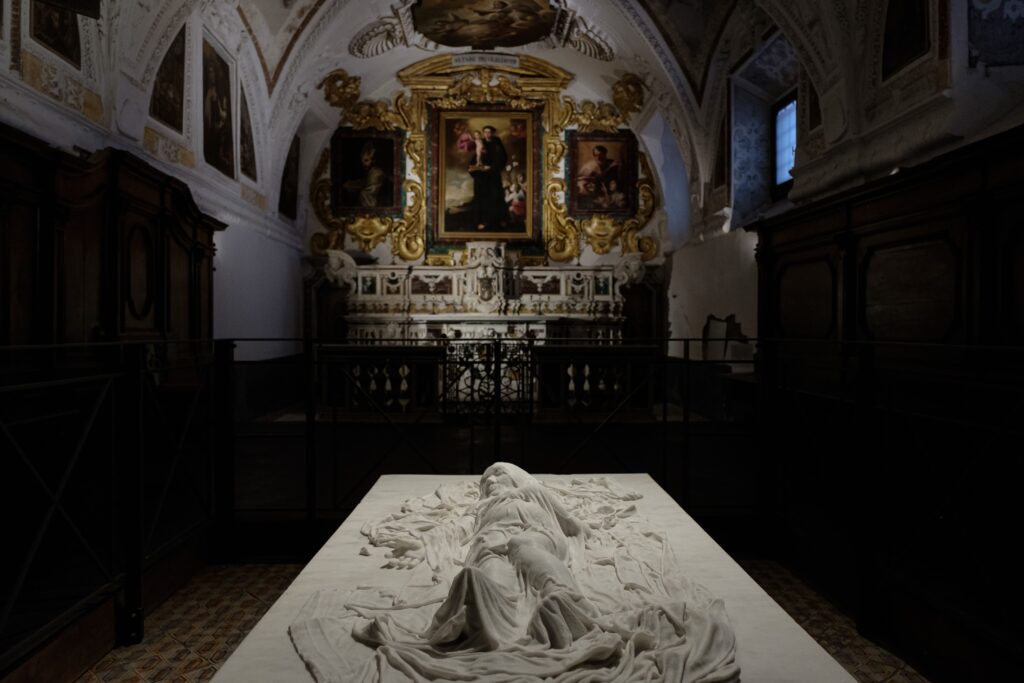
New cultural landmarks, such as the Church of Sant’Aspreno featuring Jago’s studio, and the Basilica of San Severo, home to the Veiled Christ, are today symbols of this new light. This experience led to the creation of the Cooperativa di Comunità La Sorte, which now manages the three reopened sites and provides jobs for 13 young people from the neighbourhood. The experience built in Rione Sanità is now recognized as a replicable model of culture-led urban regeneration, one capable of pairing heritage conservation with youth employment and local development.
From this vision came the MuDD, Museo Diocesano Diffuso, a project promoted by the Archdiocese of Naples that aims to connect the monumental churches of the historic centre, starting with the Naples Cathedral, transforming a set of places often experienced separately into a single, accessible, contemporary cultural ecosystem.
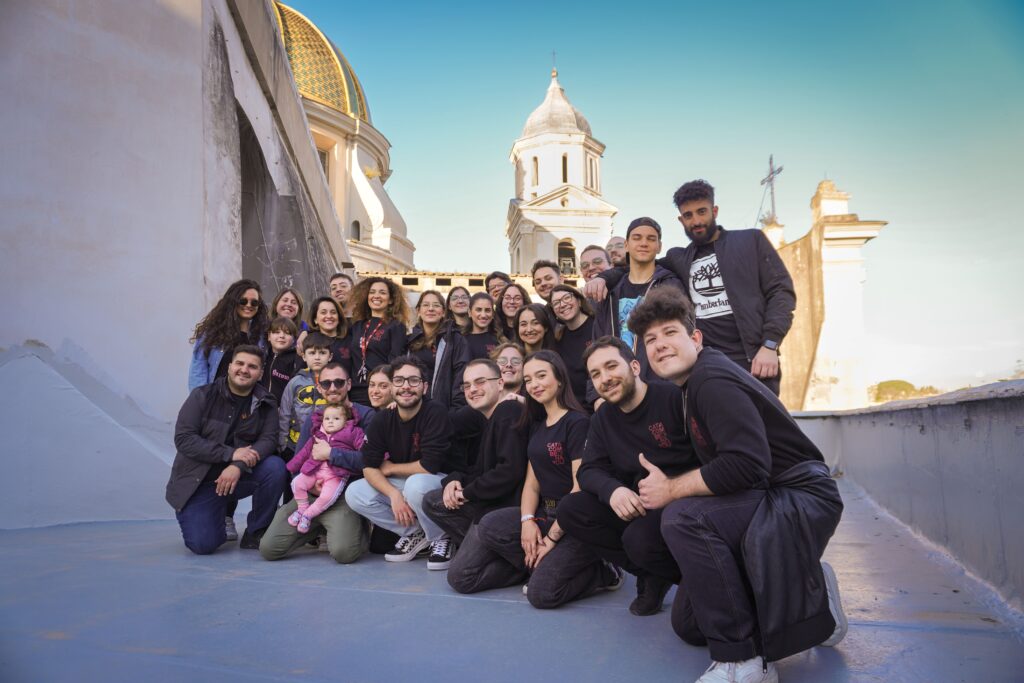
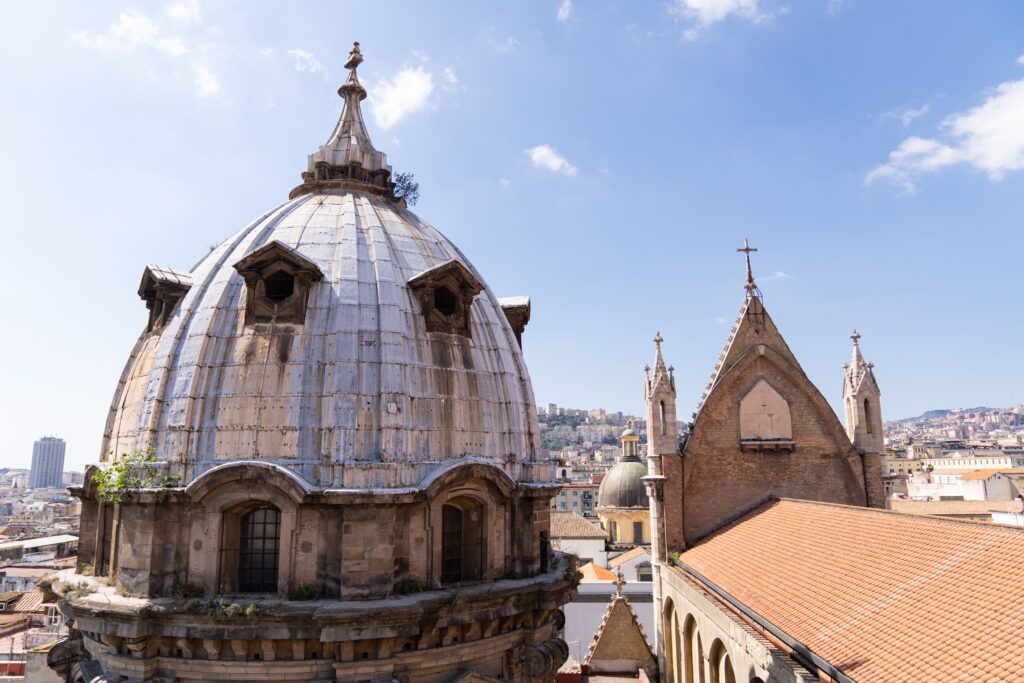
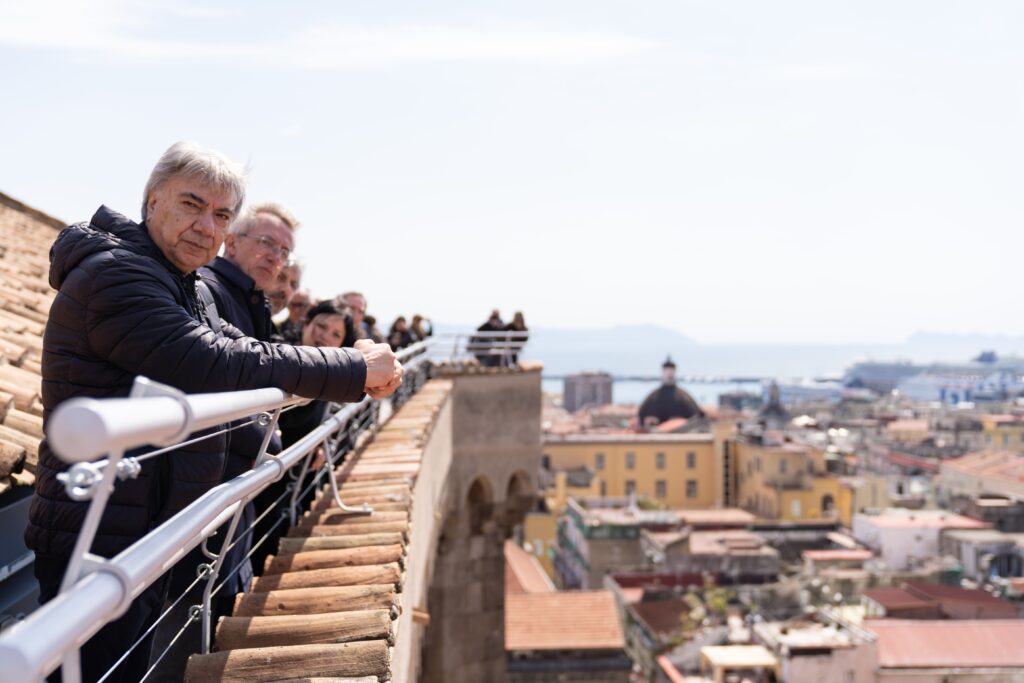
The innovative element of the MuDD lies precisely in moving beyond the traditional concept of a museum: not a single building, but a constellation of living, connected spaces capable of generating stable employment for young people in the historic centre and new local economies. Alongside traditional visits, the project offers immersive and varied experiences, from rooftop tours of the Cathedral to educational workshops for children and families in the restored parish spaces, reaching new audiences and turning ecclesiastical heritage into a driver of social inclusion and cultural innovation. But change does not stop there, because in Sanità, regeneration has become an ongoing process. Building on the results achieved with the Catacombs of Naples, the cooperative has also restored the Fontanelle Cemetery, one of Naples’s most iconic and identity-defining sites.
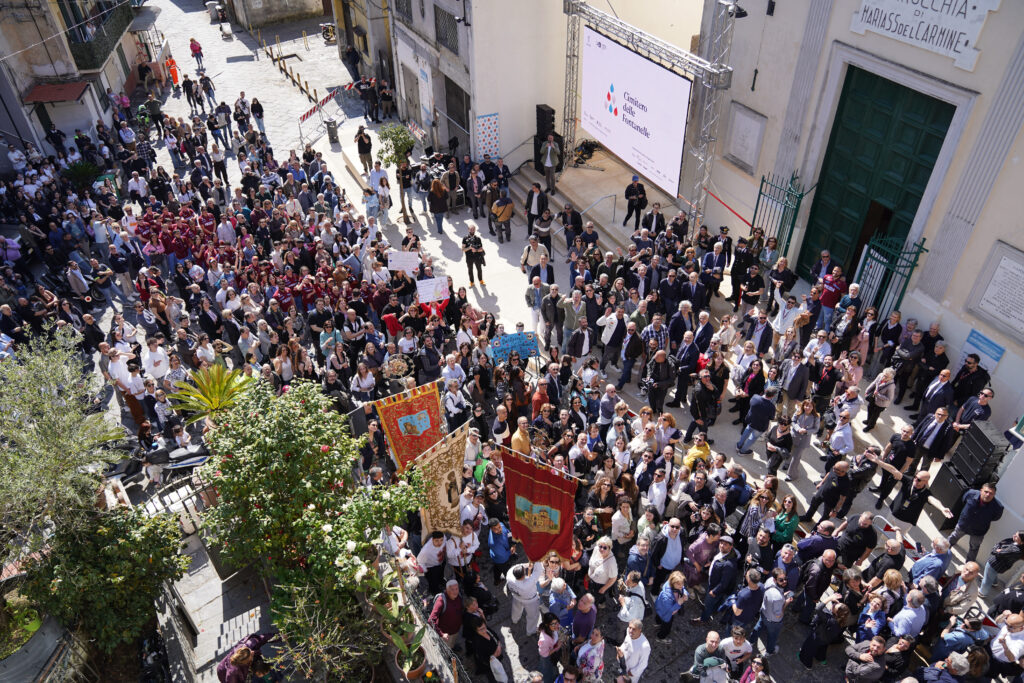
The reopening represents a highly innovative undertaking, bringing together popular memory, contemporary management, and civic participation. Beyond structural restoration, it establishes a new cultural and social hub for the neighbourhood. Through visitor services, accessible tour routes, immersive digital tools, and new employment opportunities for young people in the area, the Fontanelle Cemetery has once again become a shared, living public asset. A place that was once a symbol of marginalization has, once again, become a laboratory for urban renewal, demonstrating how culture can generate safety, beauty, and a future.
The cooperative La Paranza is today a model of community-led renewal admired across Europe: proof that when a historic and sacred place meets people willing to protect and care for it, history stops being something confined to the past and comes back to life.
What at first seemed like a futile search among the shadows of the past has become a shining reality: places of abandonment have finally become spaces of the future.
Impact area
The project turns the archaeological and cultural heritage of Rione Sanità into a driver of economic and social development for the entire community. In a neighbourhood historically marked by marginalization, high youth unemployment, and early school dropout, the Cooperativa La Paranza has restored more than 15,000 square metres of previously abandoned cultural heritage sites. The impact is reflected in the creation of 81 direct jobs and growth in annual visitors from 6,000 to 230,000. Through a ‘heritage community’ model, the project supports the emergence of new social enterprises and support networks, creating a social economy circuit that regenerates the entire urban and human fabric, offering young people concrete alternatives and the chance to ‘stay’, actively contributing to the rebirth of their own land.
Gallery
Partners
- Arcidiocesi di Napoli
- Pontificia Commissione di Archeologia Sacra
- L'Altra Napoli - Associazione napoletani dentro
- Le Parrocchie del Rione Sanità
- Associazione Friends of Naples
- Cooperativa di comunità La Sorte
- Fondazione Napoli C’entro
- Cooperativa Manità
- Parrocchia S. Maria Assunta al Duomo
Co-funders
Fondazione con il Sud
Fondazione Vismara
Fondazione di Comunità San Gennaro
Fondazione Riva
Intesa San Paolo spa